
Iran signals a lasting shift in the Strait of Hormuz as missile strikes choke global shipping, raising fears of a prolonged energy crisis and wider regional escalation.
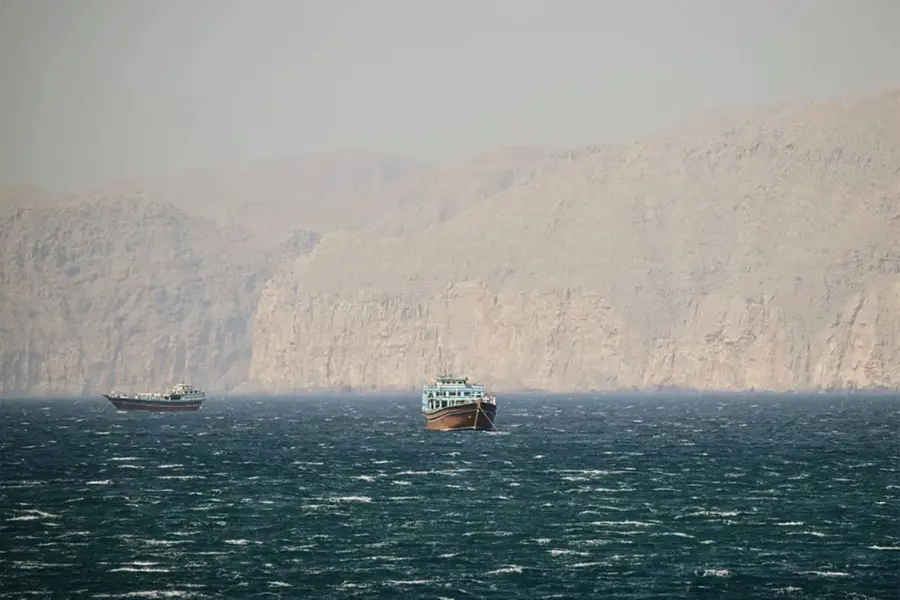
The Strait of Hormuz, the world’s most critical oil transit chokepoint, may never return to normal operations, Iran’s Parliament Speaker Mohammad Bagher Qalibaf has warned, as escalating conflict in the region continues to disrupt global shipping and heighten fears of an energy crisis.
Speaking to Iranian state television on Tuesday, Qalibaf said the strategic waterway “cannot be as it was before,” citing ongoing military confrontations and deteriorating security conditions in the region.
“They are flying, launching missiles. Should we just sit back and do nothing in response? Naturally, it is our undeniable right,” he said. “From now on, with the interventions that have taken place, the strait can no longer be, from a legal standpoint and in terms of transit, as it was before. It no longer has the necessary security.”
The Strait of Hormuz, located between Iran and Oman, handles nearly 20% of the world’s oil and natural gas trade. Any prolonged disruption has far-reaching consequences for global energy markets and supply chains.
Shipping grinds to a halt
Iranian missile and drone attacks targeting vessels in and around the strait have reduced maritime traffic to a trickle. Several commercial ships have either halted movement or are waiting in nearby waters due to safety concerns.
South Korea confirmed that 26 of its vessels, along with 183 crew members, remain stranded near the strait. Seoul said it is coordinating with port authorities in neighbouring countries to ensure food and essential supplies reach those on board.
“We will maintain close communication with the US and carefully review further steps depending on how the situation evolves,” a South Korean foreign ministry spokesperson said, indicating a cautious approach toward potential military involvement.
US pushes for naval response
Amid growing international alarm, US President Donald Trump has urged multiple countries to deploy naval forces to secure the vital waterway and ensure the flow of global trade.
According to US officials, Washington has asked around seven nations to contribute warships as part of a broader effort to keep the Strait of Hormuz open.
However, several countries, including South Korea, have so far refrained from committing to direct military action, weighing geopolitical risks and domestic considerations.
The ongoing attacks and uncertainty have already begun to ripple through global markets. While oil supply fears persist, markets have shown volatility, with US indices rebounding sharply on Monday.
The S&P 500 rose 1%, marking its strongest gain in five weeks, while the Dow Jones Industrial Average climbed 387 points and the Nasdaq Composite gained 1.2%.
War intensifies across region
The tensions come amid an expanding conflict triggered by joint US-Israeli strikes on Iran, now entering its eighteenth day. Iran has retaliated with sustained missile and drone attacks across the region, including strikes on oil infrastructure in Iraq and the United Arab Emirates.
The UAE briefly shut its airspace on Tuesday following incoming Iranian attacks before reopening it hours later. A drone strike also temporarily disrupted operations at Dubai International Airport, one of the world’s busiest aviation hubs.
Israel’s military said Iran launched another round of missiles toward its territory on Tuesday, with sirens sounding near the Sea of Galilee. No casualties were reported in that particular attack.
Rising human and economic toll
The conflict has already claimed a heavy toll. Officials report at least 1,300 deaths in Iran, 880 in Lebanon, and 12 in Israel. The US military has confirmed that 13 American service members have been killed, with around 200 others injured.
Beyond the human cost, analysts warn that prolonged instability in the Strait of Hormuz could trigger a sustained global energy shock, disrupt trade routes, and push insurance and shipping costs significantly higher.
Qalibaf’s remarks signal that Iran may seek to redefine the strategic and legal framework governing one of the world’s most vital maritime corridors, a move that could reshape global energy geopolitics in the weeks and months ahead.
Published: 17 Mar 2026, 01:51 pm IST
Related Topics
Disclaimer: Kindly avoid objectionable, derogatory, unlawful and lewd comments, while responding to reports. Such comments are punishable under cyber laws. Please keep away from personal attacks. The opinions expressed here are the personal opinions of readers and not that of Mathrubhumi.
