
Maritime tracking data indicates that multiple ships continued to move through the Strait of Hormuz despite a US-declared blockade on Iranian ports, highlighting uncertainty over enforcement in the key global shipping route.
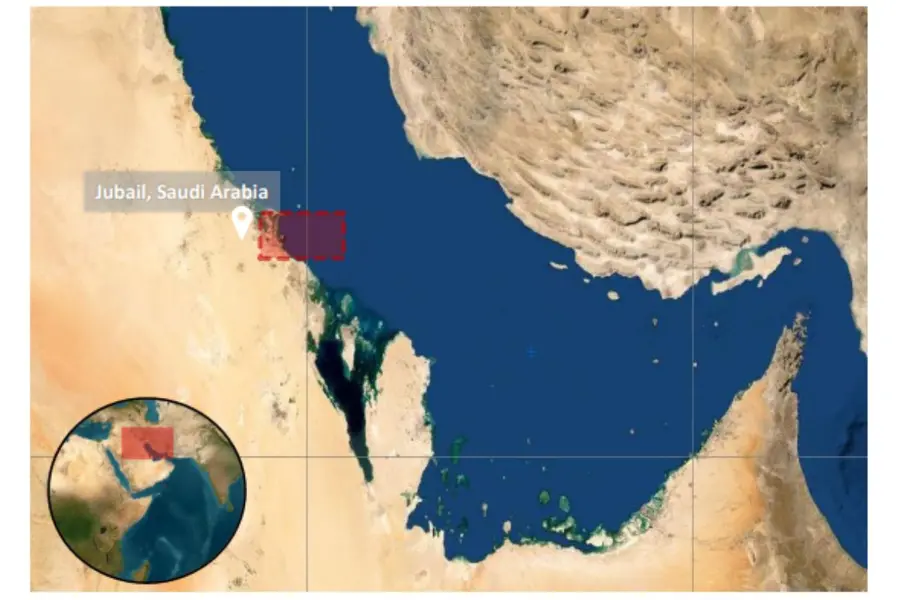
Paris: At least three vessels departing from Iranian ports successfully crossed the Strait of Hormuz even after the United States announced a naval blockade, according to maritime tracking data cited by Kpler.
The ships were among several Iran-linked vessels that moved through the region after the blockade reportedly came into effect. However, some vessels later altered course or returned to previous positions.
Also Read

Key vessels tracked in the region
Tracking data showed the Liberia-flagged bulk carrier Christianna passing through the strait after unloading cargo at Bandar Imam Khomeini port in Iran.
Another vessel, the Comoros-flagged tanker Elpis, also cleared the strait after departing Bushehr with a methanol shipment.
Additional ships, including Argo Maris, were also reported to have crossed the strategic waterway during the same period.
Maritime analysts have warned that electronic signals in the region may be unreliable due to ongoing conflict, making it difficult to fully verify ship movements.
Tracking disruptions and possible signal manipulation have raised questions about the accuracy of real-time vessel monitoring in the Strait of Hormuz.
US military says blockade is being enforced
The United States military, through CENTCOM, has maintained that the blockade remains fully operational. Officials claimed that several vessels were instructed to turn back before exiting Iranian-controlled waters.
According to CENTCOM, no ships were able to fully breach the blockade during the initial enforcement period, and multiple merchant vessels complied with US instructions to return.
Despite official claims, some ships reportedly changed direction after entering nearby waters, including the Chinese tanker Rich Starry, which reversed course in the Gulf of Oman.
Other vessels also altered their routes or disappeared from tracking systems temporarily, adding to uncertainty over maritime conditions in the region.
Strategic importance of the Strait of Hormuz
The Strait of Hormuz remains one of the world’s most critical oil transit routes, connecting the Persian Gulf with global shipping lanes. Any disruption in the region has immediate implications for global energy markets and trade stability.
With conflicting reports from tracking data and military statements, the actual level of enforcement in the region remains unclear. Maritime activity continues under heightened geopolitical tension, with further developments expected as the situation evolves.
Published: 14 Apr 2026, 11:32 pm IST
Disclaimer: Kindly avoid objectionable, derogatory, unlawful and lewd comments, while responding to reports. Such comments are punishable under cyber laws. Please keep away from personal attacks. The opinions expressed here are the personal opinions of readers and not that of Mathrubhumi.