
Saudi Arabia has reportedly offered $1 billion to Yemen’s Iran-backed Houthi rebels as part of efforts to secure a ceasefire and restore oil exports, according to Israeli newspaper Israel Hayom.
New Delhi: Saudi Arabia has reportedly proposed a $1 billion financial package to Yemen’s Houthi rebels in an effort to halt attacks on Saudi infrastructure and ease tensions across the Middle East.
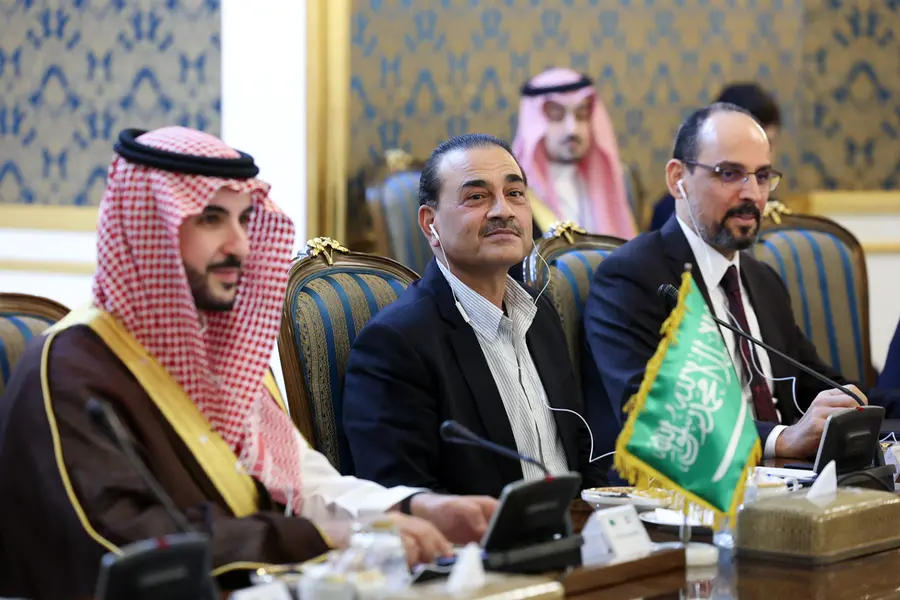
According to a report published by the Hebrew-language newspaper Israel Hayom on October 27, 2026, Saudi Defence Minister Prince Khalid bin Salman travelled to Tehran for discussions involving Iranian officials, Pakistani Army Chief Field Marshal Asim Munir and Turkish intelligence chief Ibrahim Kalin.
The newspaper, citing diplomatic sources in the Gulf, reported that the Saudi minister’s visit was intended to secure an understanding with the Houthis through Iranian mediation. It also claimed that the minister carried the proposed funds aboard a military transport aircraft.
However, the report did not establish that the money had been transferred. A Saudi official did not confirm any payment, and the alleged offer has not been independently verified.
Why Riyadh is seeking a ceasefire
Saudi Arabia has a direct interest in preventing further escalation because attacks on its airports, oil facilities and other critical infrastructure threaten its security and economic interests.
Disruptions to shipping and energy exports in the Gulf, including tensions surrounding the Strait of Hormuz, have added to concerns over regional oil supplies.
A prolonged confrontation could affect Saudi Arabia’s ability to export oil and maintain the stability required for its economic plans. The reported proposal would represent an attempt to use financial incentives and Iranian mediation to secure a halt to attacks.
Israel Hayom also reported that earlier understandings between Riyadh and the Houthis envisaged Saudi financial assistance as part of a broader settlement. The proposed funding was reportedly intended to help pay public-sector salaries in areas under Houthi control and support civilian reconstruction.
In return, the Houthis were expected to maintain a ceasefire and stop attacks on Saudi Arabia. The newspaper said the rebels had recently cited Saudi Arabia’s alleged failure to honour those understandings as a reason for renewed attacks. These claims have not been independently established.
Asim Munir’s role in the Tehran talks
Pakistan’s involvement places Islamabad in a sensitive diplomatic position, as it maintains defence ties with Saudi Arabia while engaging with Iran.
According to Israel Hayom, Munir participated in the Tehran discussions alongside Saudi and Turkish representatives. Turkish intelligence chief Ibrahim Kalin was also reportedly present.
The meeting comes after Saudi Arabia, Pakistan and Turkey signed a mutual defence pact in August, according to the report. The agreement is intended to strengthen cooperation among the participating countries in response to security threats.
The newspaper said Pakistan and Turkey had provided limited assistance during the escalation, including military advisers, rather than sending additional support forces. The precise nature and extent of any assistance would require independent confirmation.
The reported talks also involved Iranian President Masoud Pezeshkian, Supreme National Security Council Secretary General Mohsen Rezaei and senior Islamic Revolutionary Guard Corps officials.
Iran reportedly offered to mediate between Riyadh and the Houthis, potentially positioning Tehran as an intermediary in efforts to reduce tensions.
Iran’s potential diplomatic gains
Iran’s reported involvement highlights the complicated relationship between regional rivalry and diplomatic engagement in the Middle East.
Tehran has longstanding ties with the Houthi movement and has been accused by Saudi Arabia and other governments of providing it with military support. Iran’s willingness to mediate could give it an opportunity to demonstrate its influence over regional security issues.
At the same time, Saudi Arabia faces a difficult calculation. An agreement could help protect its infrastructure and energy exports, but financial concessions to the Houthis could attract criticism if they are perceived as rewarding attacks.
According to Israel Hayom, Riyadh has opposed transferring funds before the Houthis return territory seized from Yemen’s internationally recognised government, which Saudi Arabia supports. The newspaper also reported that Saudi Arabia has rejected what it considers military pressure as a basis for negotiations.
These competing positions underline the challenges facing any settlement.What the reported offer could mean
1. Oil security is central to the negotiations
Saudi Arabia’s reported proposal reflects the importance of protecting oil infrastructure and export routes. Further attacks or shipping disruptions could affect energy markets and increase economic uncertainty across the region.
2. Iran’s influence could be decisive
If Tehran can persuade the Houthis to halt attacks, it could strengthen its diplomatic role. However, mediation alone would not guarantee compliance or a lasting settlement.
3. Pakistan faces a diplomatic balancing act
Munir’s reported participation highlights Pakistan’s role in discussions involving Saudi Arabia, Turkey and Iran. Islamabad’s defence relationship with Riyadh and its regional ties make its involvement significant, although the precise terms of its contribution remain unclear.
4. A financial proposal does not guarantee peace
Even if the reported $1 billion offer is genuine, a lasting agreement would depend on the terms of a ceasefire, the security of Saudi infrastructure, the distribution and oversight of funds, and the Houthis’ willingness to stop attacks. The status of disputed territory and arrangements for Yemen’s public services would also remain important issues.
The key questions are whether Saudi Arabia confirms the reported proposal, whether Iran can secure commitments from the Houthis, and whether the parties reach a verifiable ceasefire. Until official confirmation or independently corroborated evidence emerges, the $1 billion figure should be treated as a reported but unconfirmed offer.
Published: 27 Oct 2026, 08:26 pm IST
ABOUT THE AUTHOR

Related Topics
Disclaimer: Kindly avoid objectionable, derogatory, unlawful and lewd comments, while responding to reports. Such comments are punishable under cyber laws. Please keep away from personal attacks. The opinions expressed here are the personal opinions of readers and not that of Mathrubhumi.