
A new government survey in Pakistan has revealed that around 70 million people are living in extreme poverty amid rising income inequality and declining real incomes
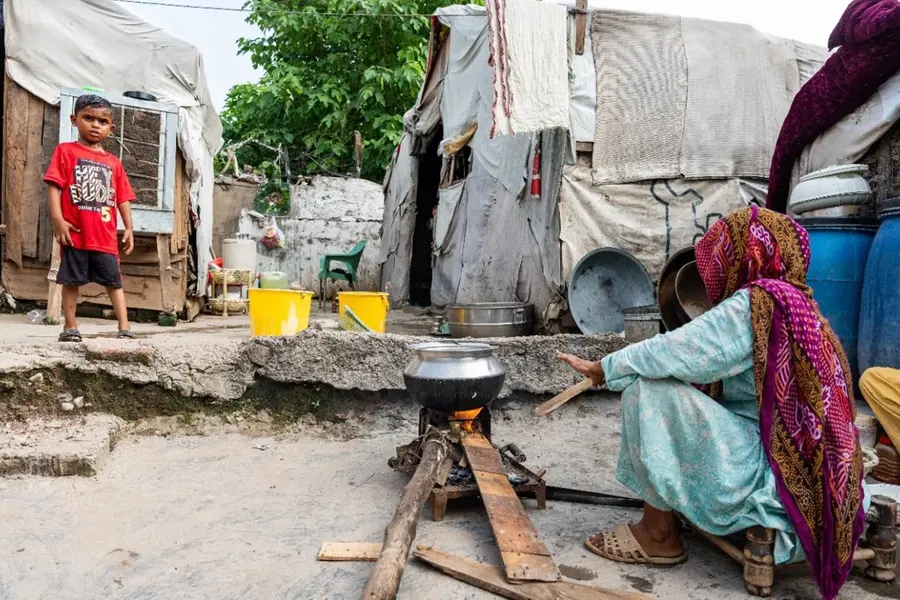
Approximately 70 million people in Pakistan are now living below the poverty line, according to a preliminary survey released by the country’s Planning Ministry.
The national poverty rate has reached about 29%, marking an 11-year high, while income inequality has climbed to its highest level in 27 years. The findings were shared by Planning Minister Ahsan Iqbal.
Also Read

The poverty threshold was set at monthly expenditure of Rs 8,484, which represents the minimum cost required to meet basic living needs. The assessment indicates a 32% increase in poverty since 2018-19, when the last comprehensive poverty survey was conducted.
Rural areas have been disproportionately affected, with poverty rising from 28.2% to 36.2%. Urban poverty also increased from 11% to 17.4%.
Provincial data shows significant deterioration. In Punjab, poverty rose from 16.5% to 23.3%. In Sindh, it increased from 24.5% to 32.6%.
In Khyber Pakhtunkhwa, poverty grew from 28.7% to 35.3%, while in Balochistan, nearly one in two people are now estimated to be living in poverty.
The report linked the worsening economic situation in some regions to security challenges, especially in Khyber Pakhtunkhwa and Balochistan, where disruptions have affected markets, services, and livelihoods.
Unemployment in Pakistan also reached 7.1%, the highest level in 21 years, reflecting broader economic pressure.
Authorities said the survey results are preliminary and based on updated national assessment methods.
Published: 21 Feb 2026, 03:22 pm IST
Related Topics
Disclaimer: Kindly avoid objectionable, derogatory, unlawful and lewd comments, while responding to reports. Such comments are punishable under cyber laws. Please keep away from personal attacks. The opinions expressed here are the personal opinions of readers and not that of Mathrubhumi.