
Pakistan has emerged as an unexpected mediator between Washington and Tehran amid escalating conflict
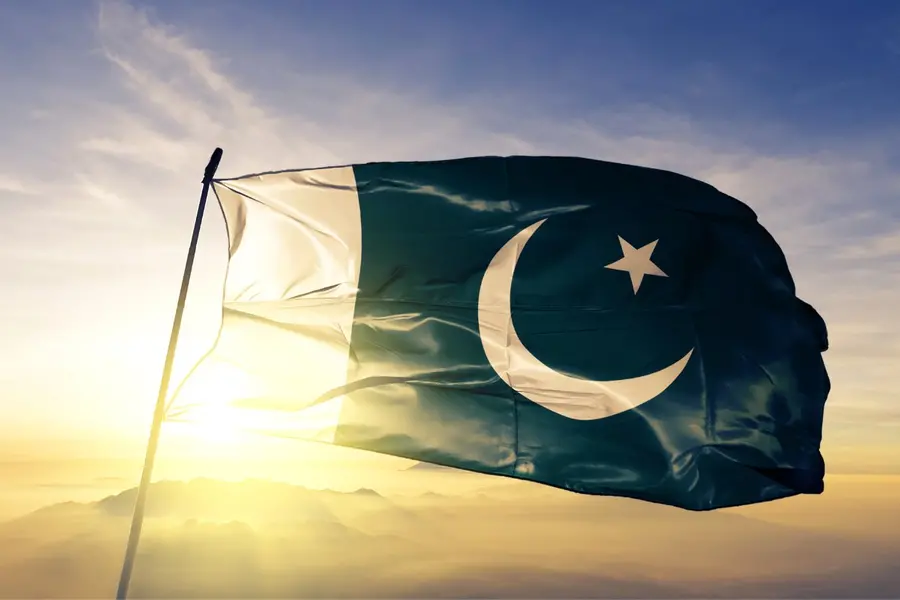
Pakistan has taken on a surprising role in efforts to prevent the Middle East conflict from escalating further. With economic and security interests at risk, Islamabad is attempting to mediate between the US and Iran, drawing on its historical experience in complex regional negotiations.
How is Pakistan facilitating talks?
Pakistani government officials have said that their public peace initiative follows weeks of quiet diplomacy, though details remain limited. Islamabad has offered to host negotiations between US and Iranian representatives. The country’s role came to light only recently, after media reports suggested that Pakistan had conveyed a US proposal to Iran.
While Iran maintains that it has not held direct talks and dismissed the US proposal, it has acknowledged sending its own responses. Pakistani officials have confirmed that messages are being relayed between the two sides, although they have not clarified the process or identified the direct points of contact.
Foreign Minister Ishaq Dar noted that Turkey and Egypt are also engaged in behind-the-scenes efforts to encourage both nations to negotiate.
Why is Pakistan considered suitable for this role?
Analysts point to Pakistan’s geographic proximity to Iran, its longstanding ties with the United States, and its working relations with key Gulf states as factors that give it credibility as a mediator. Abdullah Khan, managing director of the Pakistan Institute for Conflict and Security Studies, suggested that Islamabad’s efforts may have contributed to measured responses from both Washington and Tehran, including Trump’s decision to delay threats of large-scale attacks.
Previous US-Iran negotiations have generally been facilitated by Middle Eastern countries such as Oman and Qatar. However, as these countries come under Iranian missile and drone attacks during the war, Pakistan has emerged as a viable intermediary.
What is at stake for Pakistan?
The ongoing conflict has significant economic and strategic implications for Pakistan. The country relies heavily on oil and gas imports from the Middle East, while five million Pakistanis working across the Arab world send home remittances roughly equal to the nation’s total export earnings. Rising tensions have pushed up global oil prices, forcing Pakistan to raise fuel costs by around 20 percent.
Security and domestic stability are also concerns. Pakistan continues to face challenges along its border with Afghanistan, accusing the Taliban government of tolerating militant groups responsible for attacks in the country. Protests erupted across Pakistan after US strikes on Iran, leading to clashes with security forces in several cities. In Karachi alone, at least 12 people were killed near the US Consulate after a mob attempted to breach and set the compound on fire.
How strong are Pakistan’s relations with the US and Iran?
Pakistan maintains relatively good relations with both nations. Its ties with the US have improved over the past year through enhanced diplomatic engagement and expanding economic partnerships. Islamabad also joined Trump’s Board of Peace initiative to support stability in Gaza. At the same time, Pakistan shares a border with Iran and has historical relations that allow it to engage constructively with Tehran.
Pakistan does not have diplomatic ties with Israel due to the ongoing Palestinian issue, which enables it to maintain a neutral position in the current Middle East conflict. Analysts also highlight Pakistan’s military leadership as a key factor, with Field Marshal Asim Munir enjoying strong relations with both the US and Iranian militaries.
Has Pakistan mediated conflicts before?
Though rare, Pakistan has a history of facilitating high-profile diplomacy. In 1972, President Gen. Yahya Khan’s backchannel contacts helped pave the way for US President Richard Nixon’s historic visit to China, eventually establishing formal ties between Washington and Beijing.
Pakistan has also played key roles in regional conflicts, including the 1988 Geneva Accords that led to the Soviet withdrawal from Afghanistan and in arranging dialogue between the Afghan Taliban and the US, culminating in the 2020 Doha agreement. These experiences demonstrate Islamabad’s capacity to act as a mediator in complex geopolitical situations.
Why does Pakistan have leverage now?
Experts say Pakistan’s unique combination of geographic proximity, historical diplomatic experience, and strategic ties with both sides allows it to operate in a space where direct US-Iran communication is constrained. Its role may help maintain restraint on both sides, offering a path for negotiations while avoiding escalation that could trigger wider regional instability.
Security analyst Syed Mohammad Ali described the conflict as one of the most significant economic and energy challenges in Pakistan’s history, highlighting the urgency for the country to help facilitate a peaceful resolution.
With agency inputs
Published: 27 Mar 2026, 03:54 pm IST
Related Topics
Disclaimer: Kindly avoid objectionable, derogatory, unlawful and lewd comments, while responding to reports. Such comments are punishable under cyber laws. Please keep away from personal attacks. The opinions expressed here are the personal opinions of readers and not that of Mathrubhumi.
