
Pakistan Army is grappling with escalating religious extremist and ethnic separatist threats. Institutional vulnerabilities and high casualties are emboldening terror groups like TTP, ISKP, and LeJ. Baloch separatists also intensifying campaign, reports IANS
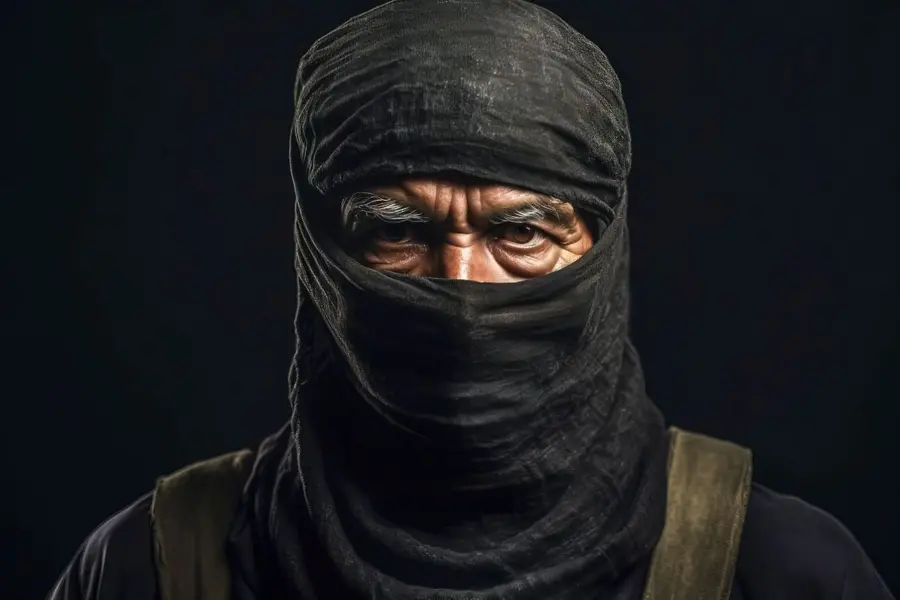
The Pakistan Army is facing a confluence of escalating threats from religious extremist groups and ethnic separatists, who appear emboldened by what analysts describe as recent institutional vulnerabilities and high casualties. Intelligence assessments suggest that terror organizations, including the Tehreek-e-Taliban Pakistan (TTP), Islamic State Khorasan Province (ISKP), and Lashkar-e-Jhangvi (LeJ), are preparing to scale up attacks against the establishment.
The instability comes as a delicate truce with the TTP is under scrutiny. Despite the current arrangement, the pace at which the TTP has inflicted losses on the military has reportedly created an environment where other outfits, many of which were originally created by the state, feel confident enough to challenge the establishment directly. Reports of "Operation Sindoor" have further exposed internal fault lines within the Pakistani military structure.
Extremist groups eye overthrow
Security experts and Pakistan watchers note that the main Islamist groups -- the TTP, LeJ, and ISKP -- are united by a goal to overthrow the current establishment and impose Sharia rule in Pakistan.
Lashkar-e-Jhangvi (LeJ): Known primarily for sectarian violence targeting religious minorities, the LeJ is not favored by the establishment. Islamabad's worry is that the LeJ, which has previously conducted attacks against the state, may re-align with either the TTP or the ISKP -- alliances that have occurred separately in the past.
Islamic State Khorasan Province (ISKP): The ISKP was initially utilized by Pakistan to counter the TTP and Afghan Taliban. However, with the current truce, the ISKP may shift its focus. While alignment with the TTP is considered difficult due to historical animosity (ISKP was formed by former TTP members), a potential alliance with the LeJ is viewed as more likely.
The Proxy Dilemma
The Pakistan Army's ability to counter this threat is further hampered by its relationship with traditional proxy groups. Intelligence Bureau officials indicate that Pakistan is not in a position to leverage groups like Lashkar-e-Tayiba (LeT) or Jaish-e-Mohammad (JeM) to fight the surging internal militancy.
The JeM is perceived to be sympathetic to both the Afghan Taliban and the TTP, raising concerns that asking the group to fight the TTP could trigger a damaging internal split. Similarly, while the LeT has never directly rebelled against the establishment, a major split was narrowly avoided in the past when the government assisted the US in Afghanistan, with many LeT cadres threatening to defect to the Taliban.
The Balochistan Second Front
Adding to the crisis, Baloch separatist groups are simultaneously intensifying their campaign. Driven by ethnic nationalism and secular separatism aimed at achieving an independent province, these groups have capitalized on the army’s perceived weakness.
The Baloch groups have primarily targeted Chinese nationals and investments, alongside military personnel, causing immense embarrassment to the Pakistan Army. With the security apparatus distracted and overstretched by the Islamist threat in the northwest, experts anticipate that the Baloch nationalists will gear up for a significant escalation of their own fight.
Published: 21 Oct 2025, 05:31 pm IST
Related Topics
Disclaimer: Kindly avoid objectionable, derogatory, unlawful and lewd comments, while responding to reports. Such comments are punishable under cyber laws. Please keep away from personal attacks. The opinions expressed here are the personal opinions of readers and not that of Mathrubhumi.
