
Three Omani tankers navigate the Strait of Hormuz in 2026, signaling potential shifts in maritime transit. Read our latest analysis on global energy impacts.
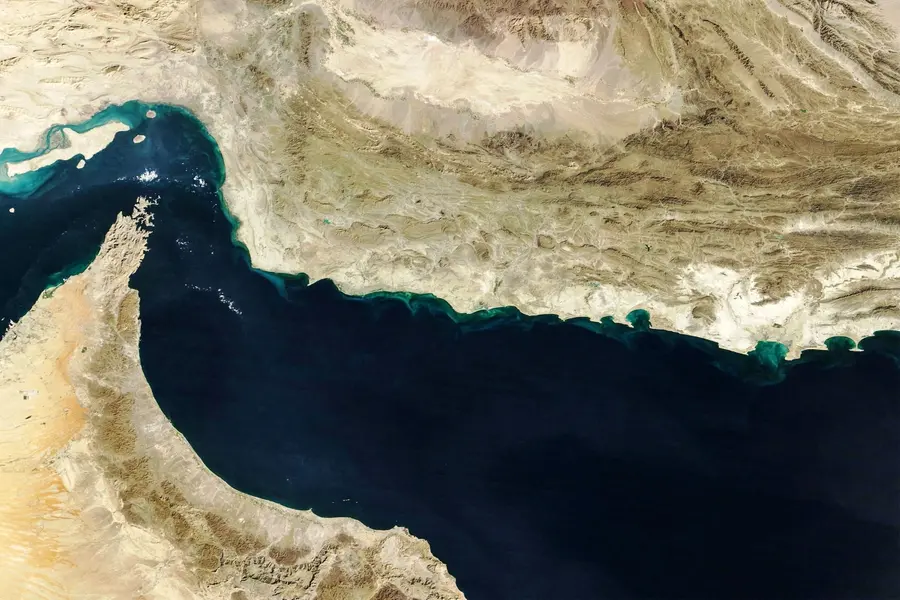
Three vessels linked to Oman appeared to enter the Strait of Hormuz along an unusual southern path on Thursday, deviating from the increasingly used northern corridor through Iran’s waters, according to ship-tracking data.
Two crude supertankers and a liquefied natural gas (LNG) carrier were observed heading east into the strait while broadcasting Omani ownership signals. All three are managed by Oman Ship Management Company, according to the Equasis maritime database. The company did not respond to requests for comment.
The vessels’ route, which ran close to the coastline of Oman, contrasts with a northern passage near Iranian territory that has been used by several ships in recent days following negotiations with Tehran for controlled transit.
Automatic tracking signals from the three ships stopped at around 9:30 a.m. London time as they approached the Musandam Peninsula, which extends into the strait. It was not immediately clear whether the vessels completed the crossing. Maritime monitoring in the area has been affected by signal interference, including jamming and spoofing.
The movements come as Iran works to formalise oversight of shipping through the waterway. State media reported that Deputy Foreign Minister Kazem Gharibabadi said Tehran is drafting a protocol with Oman to regulate traffic in the strait. There was no immediate comment from Muscat.
Shipping through the Strait of Hormuz has been severely disrupted since the escalation of regional tensions, with only a limited number of vessels reportedly transiting under arrangements with Iran. The waterway is a critical route for global energy supplies.
Iran is also seeking to introduce transit charges, with reports indicating fees of up to $2 million per voyage. The potential move has added to uncertainty in oil markets, which have already reacted sharply to the disruption.
The three vessels involved are among the largest in operation. Each of the crude carriers is capable of transporting about 2 million barrels of oil, while the LNG vessel appeared to be travelling without cargo, based on tracking data.
One of the tankers had loaded crude in Saudi Arabia and was signalling a destination of Kyaukpyu in Myanmar. The other was carrying oil from Abu Dhabi to an undisclosed destination.
The southern route taken by the vessels lies outside the designated shipping lanes and away from the northern passage between Iran’s Qeshm Island and Larak Island, which has been associated with Iranian approvals for transit.
However, that northern corridor is narrower and shallower, potentially limiting access for the largest tankers, industry observers say.
Published: 03 Apr 2026, 03:27 pm IST
Related Topics
Disclaimer: Kindly avoid objectionable, derogatory, unlawful and lewd comments, while responding to reports. Such comments are punishable under cyber laws. Please keep away from personal attacks. The opinions expressed here are the personal opinions of readers and not that of Mathrubhumi.
