
The magnets, which have been banned in New Zealand since January 2013 due to their extreme strength and associated health risks, were reportedly bought via Temu’s online marketplace.
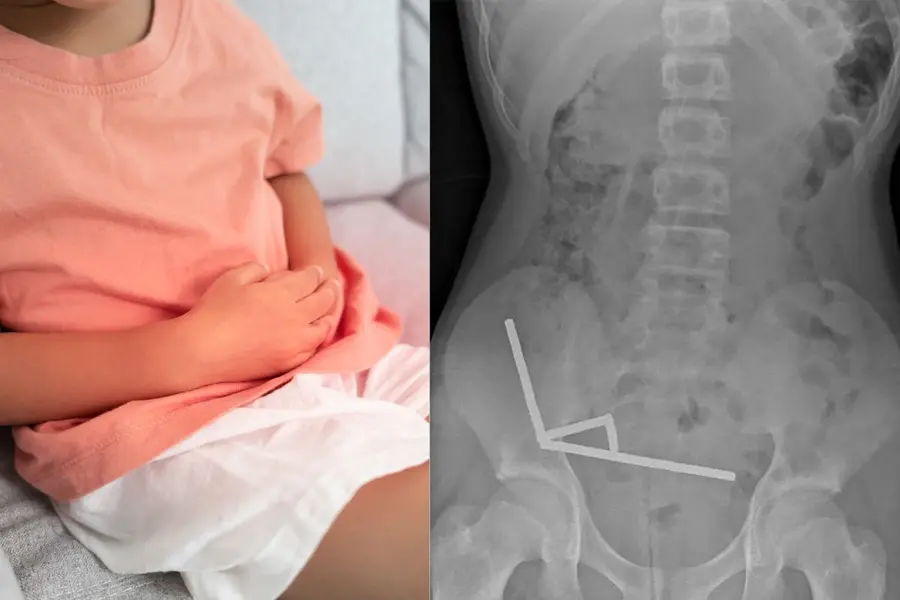
Wellington: A 13-year-old boy in New Zealand was forced to undergo emergency surgery after swallowing up to 100 high-powered magnets purchased from the online shopping platform Temu, doctors have revealed.
The incident was detailed in a report published in the New Zealand Medical Journal on Friday by clinicians from Tauranga Hospital, where the teenager was treated after experiencing four days of severe abdominal pain.
According to the medical team, the boy admitted to ingesting between 80 and 100 5x2mm neodymium magnets about a week before being admitted to hospital. The magnets, which have been banned in New Zealand since January 2013 due to their extreme strength and associated health risks, were reportedly bought via Temu’s online marketplace.
An X-ray revealed that the magnets had formed four straight lines inside the boy’s intestines. “These appeared to be in separate parts of the bowel adhered together due to magnetic forces,” the doctors said.
The magnetic attraction caused internal damage, leading to necrosis (tissue death) in four areas of the boy’s small intestine and caecum, part of the large intestine. Surgeons were forced to remove the dead tissue and retrieve the magnets in a complex operation.
The teenager spent eight days in hospital before being discharged and is said to be recovering well.
“This case highlights not only the dangers of magnet ingestion but also the risks posed by online marketplaces for our paediatric population,” the report’s authors — Binura Lekamalage, Lucinda Duncan-Were and Nicola Davis — wrote.
Doctors also warned that magnet ingestion can lead to long-term complications such as bowel obstruction, abdominal hernia and chronic pain.
Temu launches investigation
In a statement, Temu said it was “saddened” to hear of the incident and had launched an internal review to ensure full compliance with New Zealand’s safety regulations.
“We have launched an internal review and reached out to the authors of the New Zealand Medical Journal article to obtain more details about the case,” a Temu spokesperson said. “At this stage, we have not been able to confirm whether the magnets involved were purchased through Temu or identify the specific product listing.”
The Chinese-founded e-commerce company said its teams were reviewing all relevant product listings to ensure they meet local safety requirements.
Temu, which has faced mounting criticism in markets including the European Union for allegedly failing to remove unsafe or illegal products from its platform, reiterated that it takes consumer safety “extremely seriously.”
AFP
Published: 24 Oct 2025, 10:16 am IST
Related Topics
Disclaimer: Kindly avoid objectionable, derogatory, unlawful and lewd comments, while responding to reports. Such comments are punishable under cyber laws. Please keep away from personal attacks. The opinions expressed here are the personal opinions of readers and not that of Mathrubhumi.
