
Israel presses ahead with strikes on Iran despite US-led diplomatic signals, exposing a widening gap between military escalation and fragile talk of de-escalation in West Asia.
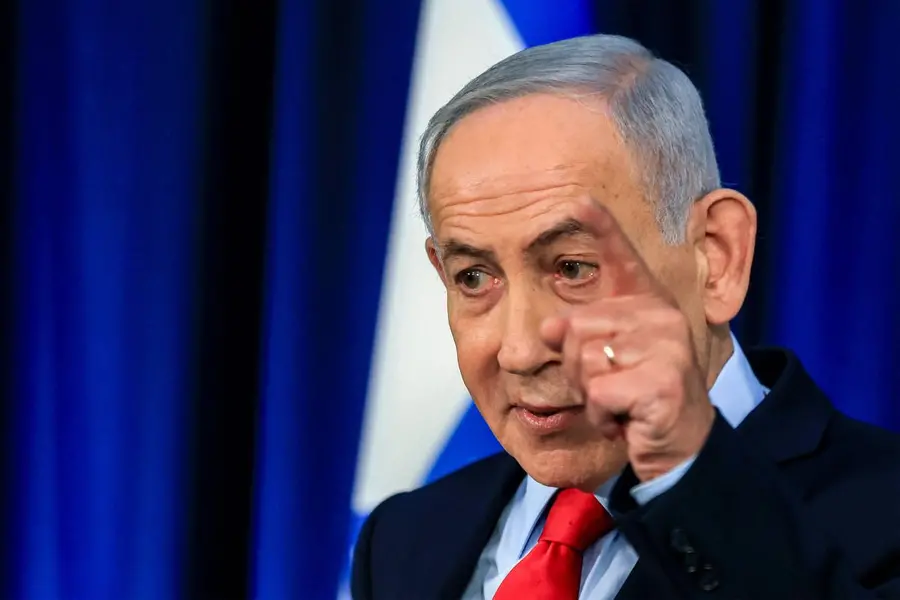
Israeli Prime Minister Benjamin Netanyahu has made it clear that Israel will continue its military campaign against Iran, even as US President Donald Trump signals a possible diplomatic opening to end the escalating conflict in West Asia.
In his latest remarks, Netanyahu said Israeli forces are still actively striking targets in Iran and will not halt operations until their objectives are fully achieved.
He stressed that the campaign is far from over and warned that further action is expected not just inside Iran but across other fronts linked to the conflict, including Lebanon.
His comments came shortly after Trump announced a temporary five-day pause on planned US strikes targeting Iranian energy infrastructure, citing what he described as “productive” and “constructive” conversations with Tehran.
The pause is being seen as an attempt by Washington to create space for negotiations after weeks of intense military escalation.
However, Netanyahu signalled that Israel will not slow down its own operations despite these diplomatic efforts.
While acknowledging his conversation with Trump, he indicated that any potential deal must safeguard Israel’s “vital interests” and security concerns, suggesting that military pressure remains central to Israel’s strategy.
On the ground, the conflict continues to intensify. Israeli forces have launched fresh waves of airstrikes targeting key Iranian military infrastructure, including missile production sites and Revolutionary Guard facilities in Tehran. These strikes have reportedly caused significant damage and contributed to rising casualties, with rights groups estimating that over 1,500 people have been killed in Iran since the conflict escalated.
Iran has responded with retaliatory attacks on Israeli and regional targets, widening the scope of the conflict. Hostilities have also spilled into neighbouring countries, with Israeli operations expanding into Lebanon against Hezbollah positions, raising fears of a broader regional war.
Despite Trump’s optimism about ongoing discussions, Iran has firmly denied that any direct negotiations with the United States are taking place.
Iranian officials have described Washington’s claims as misleading, maintaining that no talks can occur while attacks continue. This contradiction has added to the uncertainty surrounding the diplomatic track.
The conflict, which began in late February following joint US-Israeli strikes on Iran, has already had far-reaching global consequences. It has disrupted critical oil routes, including tensions around the Strait of Hormuz, and triggered volatility in global energy markets.
While oil prices briefly eased following Trump’s announcement of a pause, analysts warn that continued instability could lead to fresh spikes.
Meanwhile, international actors, including European nations and regional powers such as Turkey and Egypt, are attempting to mediate and prevent further escalation.
However, with Israel pressing ahead militarily and Iran rejecting claims of negotiations, prospects for an immediate ceasefire remain uncertain.
For now, the situation remains fluid and volatile. While Washington appears to be exploring a diplomatic off-ramp, Israel’s continued strikes and Iran’s denials of talks suggest that the region could face prolonged conflict, with significant implications for global security and economic stability.
Published: 24 Mar 2026, 06:41 am IST
Related Topics
Disclaimer: Kindly avoid objectionable, derogatory, unlawful and lewd comments, while responding to reports. Such comments are punishable under cyber laws. Please keep away from personal attacks. The opinions expressed here are the personal opinions of readers and not that of Mathrubhumi.
