
The discussions come as disruptions in the strategic waterway raise fears over global energy supplies and economic stability
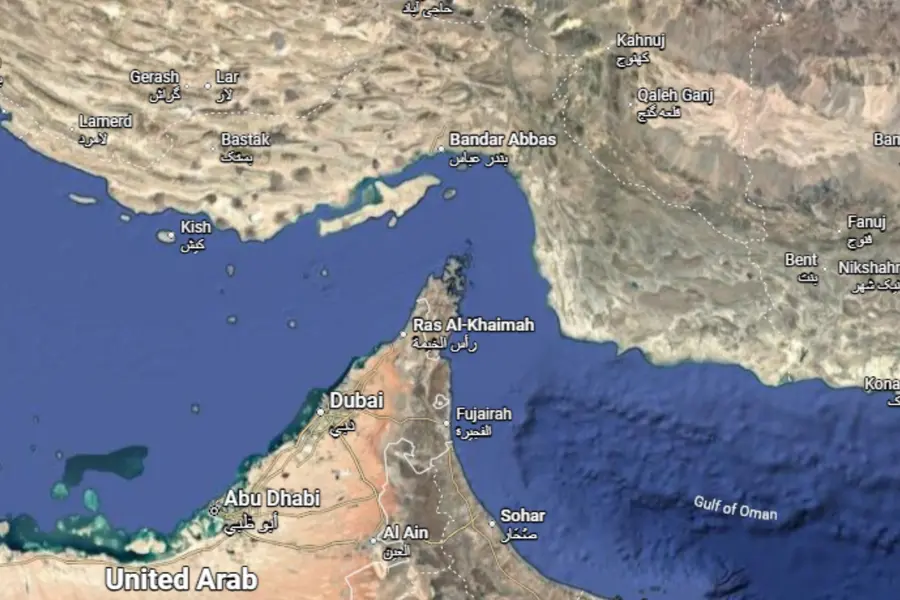
Washington: The North Atlantic Treaty Organization (NATO) is reportedly considering a possible naval deployment to help commercial ships move safely through the Strait of Hormuz if the ongoing standoff involving the United States and Iran continues to disrupt traffic in the region into early July.
According to a report by Bloomberg, discussions are underway within the alliance as concerns grow over the economic consequences of a prolonged blockade affecting one of the world’s most strategically important maritime routes.
Concerns grow over global energy corridor
The Strait of Hormuz is regarded as a crucial global energy corridor, handling nearly one-fifth of worldwide oil and liquefied natural gas shipments. The route has become increasingly volatile following the escalation of conflict involving the United States, Israel and Iran.
Iran had initially restricted movement through the strait after tensions intensified in late February following military strikes carried out by the US and Israel.
Officials quoted in the Bloomberg report said several NATO member states are in favour of supporting maritime traffic through the waterway. However, the proposal has yet to receive unanimous approval, which is necessary before the alliance can formally move ahead with any collective action.
Issue expected to be discussed at Ankara meeting
A diplomat from one of the NATO member countries told Bloomberg that the matter remains under active discussion ahead of a leaders’ meeting scheduled to take place in Ankara on July 7 and 8.
The upcoming talks are expected to further evaluate whether the alliance should play a direct operational role in maintaining shipping access through the strait.
Potential shift in NATO’s approach
If approved, such a move would represent a significant change in NATO’s current approach to the crisis. Until now, alliance members have largely adopted a cautious stance and avoided direct operational involvement.
NATO countries had previously maintained that any mission to secure the Strait of Hormuz would only be considered after active military hostilities had subsided and once a wider international coalition, potentially involving non-NATO nations, had been formed to oversee maritime stability.
Economic pressure driving discussions
The continued disruption in the region is increasingly influencing policy debates across NATO capitals.
Energy prices have risen sharply in recent months, while global supply chains have faced disruptions due to restrictions on shipping routes. Insurance premiums for tankers operating near the Strait of Hormuz have also surged, adding to concerns over the broader impact on the world economy.
The ongoing instability has already prompted downward revisions to global economic growth forecasts as uncertainty surrounding energy supplies persists.
Rising tensions between US and European allies
The latest crisis stems from Iran’s decision to limit passage through the strait after military action earlier this year by the United States and Israel.
The situation has also exposed differences between Washington and several European allies within NATO. The United States has reportedly been urging alliance members to take a more proactive role in reopening the shipping corridor, though some member states have resisted the idea.
US President Donald Trump has repeatedly criticised NATO allies for what he described as a lack of decisive action.
At the same time, Washington’s recent move to withdraw 5,000 troops from Germany has further highlighted growing strains in transatlantic relations linked to the wider geopolitical dispute.
With agency inputs
Published: 19 May 2026, 08:28 pm IST
Related Topics
Disclaimer: Kindly avoid objectionable, derogatory, unlawful and lewd comments, while responding to reports. Such comments are punishable under cyber laws. Please keep away from personal attacks. The opinions expressed here are the personal opinions of readers and not that of Mathrubhumi.
