
The reported succession takes place against the backdrop of an intensifying conflict between Iran and the United States. The US military’s “Operation Epic Fury” has entered its fourth day
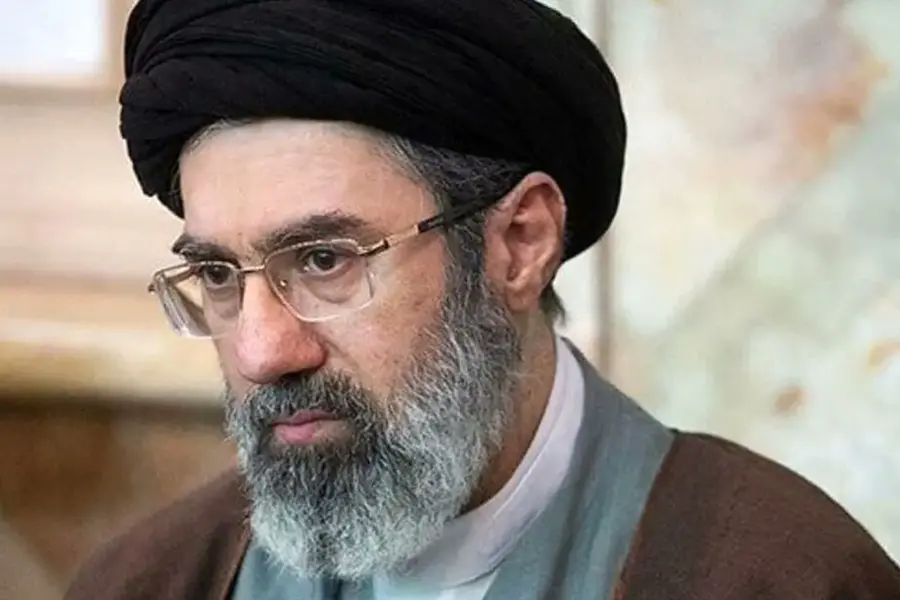
Tehran: Mojtaba Hosseini Khamenei, the son of Iran’s late Supreme Leader Ayatollah Ali Khamenei, has reportedly been elected as the country’s new Supreme Leader, according to Israeli media reports.
The reports said Mojtaba was chosen as his father’s successor by Iran’s Assembly of Experts, the constitutional body responsible for appointing the Supreme Leader.
The development comes days after Ayatollah Khamenei was killed in joint US-Israeli strikes on February 28 amid escalating hostilities between Tehran, Washington and Tel Aviv. Khamenei, who led Iran for 36 years, was reportedly inside his compound at the time of the attack. His daughter, son-in-law and granddaughter were also killed in the strikes. His wife, Mansoureh Khojasteh Bagherzadeh, later succumbed to injuries sustained during the attack.
The reported succession takes place against the backdrop of an intensifying conflict between Iran and the United States. The US military’s “Operation Epic Fury” has entered its fourth day, with American officials claiming extensive damage to Iranian missile infrastructure and naval assets.
Admiral Brad Cooper, Commander of US Central Command, said on Tuesday that Washington had already struck nearly 2,000 targets and destroyed hundreds of ballistic missiles, launchers and drones. He also claimed that Iran’s ability to retaliate was “declining” and that US forces were targeting what he described as the regime’s remaining launch capabilities. The US further asserted that Iranian naval operations in the Arabian Gulf and Strait of Hormuz had effectively ceased following sustained strikes.
Also read | Dubai drone strike: Fire extinguished near US Consulate after suspected Iranian attack | WATCH
Despite these claims, Iran has continued retaliatory attacks, launching ballistic missiles and drones targeting US military assets and Israeli positions across the region. Reports also indicated drone-related incidents near US diplomatic facilities in Riyadh and Dubai, though no casualties were reported.
Why Mojtaba Khamenei?
Speculation about Mojtaba Khamenei’s potential succession had circulated for years. Following the death of former President Ebrahim Raisi in a 2024 helicopter crash, widely seen as a key contender to succeed the Supreme Leader, Mojtaba’s name increasingly featured in discussions among analysts and observers.
Also read | Strait of Hormuz: Trump says US Navy could escort tankers to stop Iranian threats
The 56-year-old cleric has never held a formal government office. However, he is widely believed to wield significant influence behind the scenes, particularly within the Islamic Revolutionary Guard Corps (IRGC) and conservative clerical networks. His close proximity to his father and reported ties to hardline factions are seen as factors that may have bolstered his standing in a closed-door selection process.
Potential controversy
If confirmed, Mojtaba’s elevation would mark an unprecedented father-to-son succession in the Islamic Republic’s history.
Such a dynastic transition could prove controversial, potentially drawing criticism even from within Iran’s clerical establishment. The 1979 Islamic Revolution overthrew Shah Mohammad Reza Pahlavi and ended monarchical rule, establishing a system rooted in the principle of clerical guardianship rather than hereditary succession.
Critics may argue that a hereditary-style transfer of power contradicts the revolution’s anti-monarchical ideals. At a time when Iran faces mounting military pressure abroad and economic and political discontent at home, the leadership transition could further test the country’s internal cohesion.
Published: 04 Mar 2026, 08:11 am IST
Related Topics
Disclaimer: Kindly avoid objectionable, derogatory, unlawful and lewd comments, while responding to reports. Such comments are punishable under cyber laws. Please keep away from personal attacks. The opinions expressed here are the personal opinions of readers and not that of Mathrubhumi.
