
The report highlights rising malnutrition, premature births and infant deaths among mothers and children in the Gaza Strip
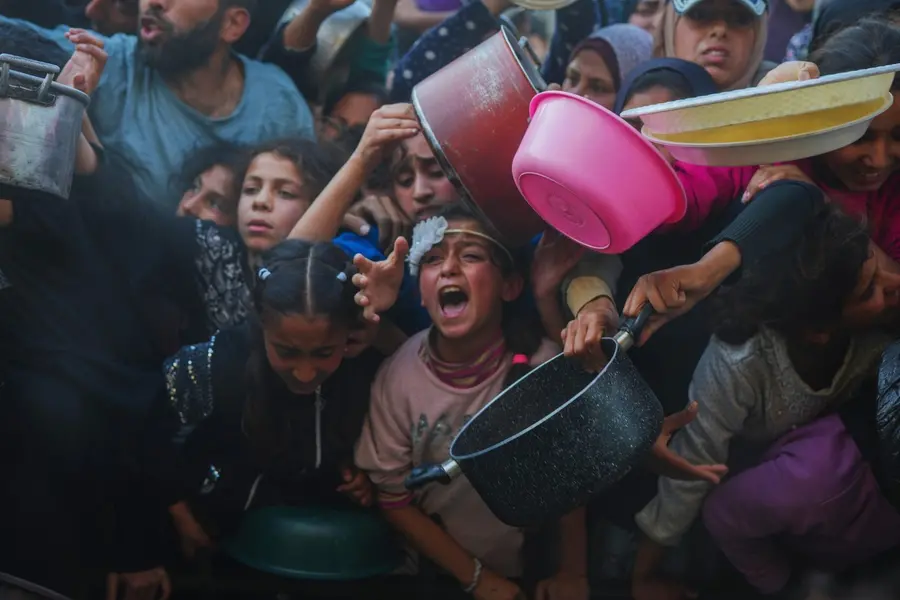
Medical charity Médecins Sans Frontières, widely known as Doctors Without Borders or MSF, has accused Israel of creating what it described as a “manufactured malnutrition crisis” in Gaza by deliberately restricting food supplies and humanitarian aid.
In a report released on Thursday, the organisation said the crisis has had particularly severe consequences for infants, pregnant women and breastfeeding mothers in the territory.
MSF said its findings were based on data collected from four healthcare facilities it supports across the Gaza Strip between late 2024 and early 2026.
Why is MSF calling it a ‘manufactured’ crisis?
According to MSF, the worsening hunger situation is not simply the result of war, but of restrictions on aid, food and essential supplies entering Gaza.
“The malnutrition crisis is entirely manufactured,” said Merce Rocaspana in a statement released by the organisation.
She pointed out that before the conflict began after the October 7, 2023 Hamas attack on Israel, cases of malnutrition in Gaza were “almost non-existent”.
MSF linked the current situation to Israel’s blockade on essential goods and attacks on civilian infrastructure, including hospitals and medical centres.
The organisation said insecurity, repeated displacement, limited healthcare access and severe food shortages have all contributed to the crisis.
How has the crisis affected mothers and babies?
One of the biggest concerns highlighted in the report is the impact on pregnant women and newborn children.
MSF studied more than 200 mothers and babies receiving treatment in neonatal intensive care units at hospitals in Khan Yunis and Gaza City between June and January.
The findings showed that more than half of the pregnant women suffered from malnutrition at some point during pregnancy. Around one in four women remained malnourished even during childbirth.
The report linked maternal malnutrition to serious complications among newborns:
- Around 90 percent of babies born to malnourished mothers were delivered prematurely.
- Nearly 84 percent had low birth weight.
- Infant deaths were reportedly twice as high among babies born to malnourished mothers compared to babies whose mothers were not malnourished.
MSF said these figures showed the direct health impact of prolonged food shortages on vulnerable groups.
Rising malnutrition among children
The report also examined conditions affecting infants younger than six months old.
MSF analysed records from 513 babies admitted to outpatient therapeutic feeding programmes in Khan Yunis between October 2024 and December 2025.
According to the organisation, 91 percent of these infants were at risk of poor growth and developmental problems.
By December 2025, around 200 infants had left the programme, but fewer than half were reported to have recovered fully. MSF added that seven percent of the infants had died.
The charity further stated that between January 2024 and February 2026, it admitted 4,176 children under the age of 15 for acute malnutrition treatment programmes. Of those children, 97 percent were below five years old.
During the same period, 3,336 pregnant and breastfeeding women were enrolled in ambulatory nutrition programmes.
What role did aid distribution play?
MSF’s report also examined the impact of the Gaza Humanitarian Foundation (GHF), a private organisation backed by the United States and Israel that was set up last year to largely replace United Nations aid distribution in Gaza.
The organisation said the number of food distribution points dropped sharply under the GHF system.
According to MSF, Gaza previously had around 400 food distribution points, but by late May 2025 the number had been reduced to just four. The GHF later disbanded in November last year.
Jose Mas described the food distribution centres as “militarised and deadly”.
MSF said the medical facilities it supported saw a major increase in patients injured near food distribution sites during the period the GHF was operating.
The organisation also reported seeing a high number of miscarriages during that time.
Ceasefire in place, but situation still fragile
Although a ceasefire has been in place since last October after two years of conflict, MSF warned that conditions in Gaza remain extremely fragile.
The organisation has called on Israeli authorities to immediately allow unrestricted entry of food, medical supplies and humanitarian assistance into Gaza.
The report argues that without easier access to aid and healthcare, the humanitarian situation for mothers, infants and young children could continue to worsen.
Published: 07 May 2026, 10:47 am IST
Related Topics
Disclaimer: Kindly avoid objectionable, derogatory, unlawful and lewd comments, while responding to reports. Such comments are punishable under cyber laws. Please keep away from personal attacks. The opinions expressed here are the personal opinions of readers and not that of Mathrubhumi.
