
Starting in Antananarivo and spreading nationwide, young people, often students, are using social media to organise
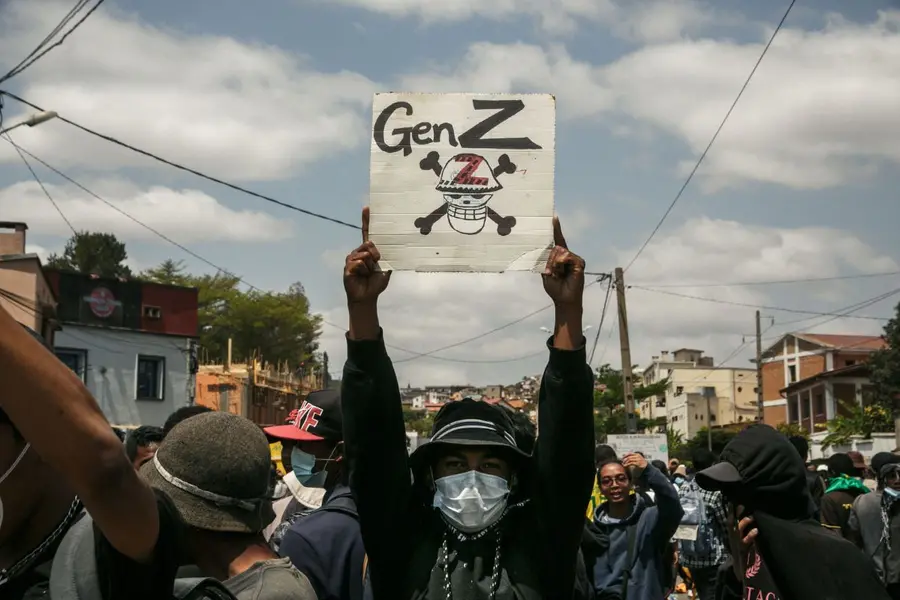
Antananarivo: Madagascar has been engulfed in youth-led protests since late September 2025, driven by severe power cuts, water shortages, and growing poverty. Known as the “Gen Z movement” or “Leo Délestage” (Fed up with load shedding), these demonstrations began in the capital, Antananarivo and quickly spread to other cities. Young people, mainly students, expressed frustration at studying and living under harsh conditions, organising largely through social media platforms.
The iconic pirate flag and protest
The movement adopted the pirate flag symbol from the anime “One Piece,” which has also been used by protests in Nepal and other countries, symbolising resistance and solidarity. Protesters carried slogans like “We want to live, not merely survive,” highlighting their demand for basic services and equitable opportunities.
Despite a government ban on protests, tens of thousands took to the streets. Security forces responded with tear gas, rubber bullets, and, reportedly, live ammunition, resulting in deadly clashes. The United Nations reported at least 22 deaths and over 100 injuries, while the government disputed these figures. Violence included looting and arson, including attacks on the homes of some politicians, although protest leaders condemned such acts, attributing them to provocateurs.
The President's response to the crisis
In response to the crisis, President Andry Rajoelina dissolved his government on September 29, 2025, removing the prime minister and the cabinet amid the unrest. He apologised for the government's failures in addressing the electricity and water crises and promised reforms. Despite imposing curfews, protests have continued, with youth demanding deeper changes, including government accountability and an end to corruption.
The Gen Z protests mark the largest youth-driven political challenge to Madagascar’s leadership in years, reflecting widespread discontent and a generational call for systemic change. The island nation now faces a critical juncture as it grapples with balancing security, reform, and the aspirations of its young population.
Published: 30 Sept 2025, 02:56 pm IST
Related Topics
Disclaimer: Kindly avoid objectionable, derogatory, unlawful and lewd comments, while responding to reports. Such comments are punishable under cyber laws. Please keep away from personal attacks. The opinions expressed here are the personal opinions of readers and not that of Mathrubhumi.
