
The move forms part of a wider response coordinated by the International Energy Agency (IEA), which has announced the immediate release of 108.6 million barrels of oil from member countries across the Asia-Oceania region
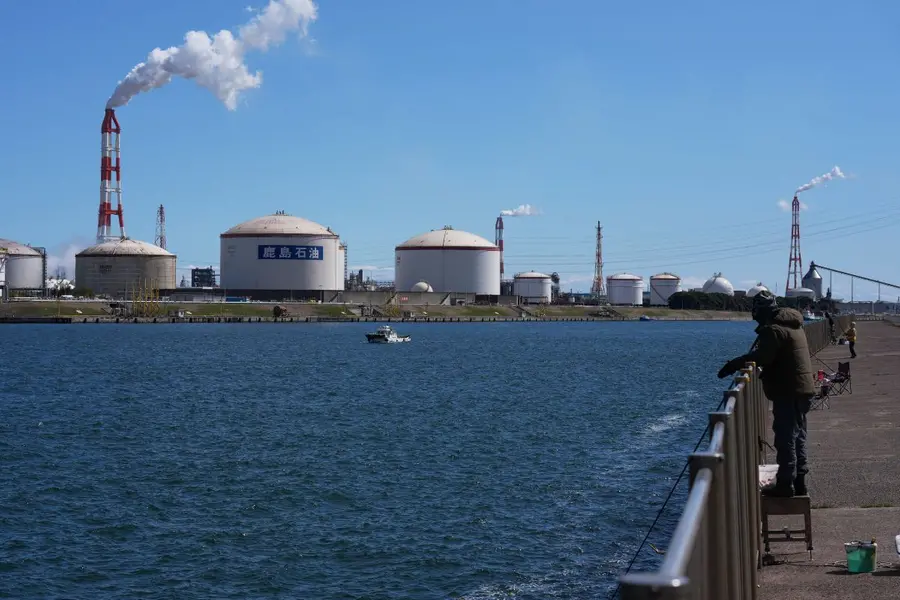
Japan has begun releasing oil from its private-sector reserves to stabilise domestic supply amid escalating tensions in the Middle East, as the ongoing conflict involving Iran continues to disrupt maritime traffic through the Strait of Hormuz, according to NHK.
The broadcaster reported that the current release corresponds to around 15 days of consumption, while industry data suggests that Japanese oil companies collectively hold reserves equivalent to approximately 70 days of demand. Alongside these private stocks, the Japanese government maintains separate emergency reserves and is expected to release additional supplies later this month. In total, Japan’s combined national and private petroleum reserves amount to roughly 254 days of demand.
The move forms part of a wider response coordinated by the International Energy Agency (IEA), which has announced the immediate release of 108.6 million barrels of oil from member countries across the Asia-Oceania region. IEA Executive Director Fatih Birol described the additional volumes entering the market as significant in easing pressure, while stressing that reopening and securing the Strait of Hormuz remains crucial for restoring stable global energy flows.
Diplomatic efforts have also intensified. Japanese Defence Minister Shinjiro Koizumi held talks with US Secretary of War Pete Hegseth, reaffirming Tokyo’s commitment to maintaining peace and stability in the strategic waterway. Hegseth assured that the conflict would not alter the deployment of US forces stationed in Japan and reiterated Washington’s commitment to strengthening deterrence within the alliance.
ALSO READ | Strait of Hormuz on front line of Middle East war after surge in ship attacks
Prime Minister Sanae Takaichi said Japan currently has no plans to deploy naval assets to escort vessels through the strait, noting that any potential measures are still being assessed within the country’s legal framework. While the United States has urged allied nations to contribute to maritime security operations, several partners have adopted cautious positions. Australia has ruled out sending naval support, and other countries, including South Korea and the United Kingdom, have indicated that any decisions would follow further review and consultations.
US President Donald Trump has argued that nations reliant on Middle Eastern oil should help secure the route, highlighting China’s dependence on shipments through the strait. However, despite ongoing discussions, no firm military commitments have been confirmed, even as global oil prices continue to rise amid continued uncertainty.
Published: 16 Mar 2026, 03:34 pm IST
Disclaimer: Kindly avoid objectionable, derogatory, unlawful and lewd comments, while responding to reports. Such comments are punishable under cyber laws. Please keep away from personal attacks. The opinions expressed here are the personal opinions of readers and not that of Mathrubhumi.
