
Israel strikes on Iranian nuclear & military sites have escalated tensions and raised fears of wider conflict
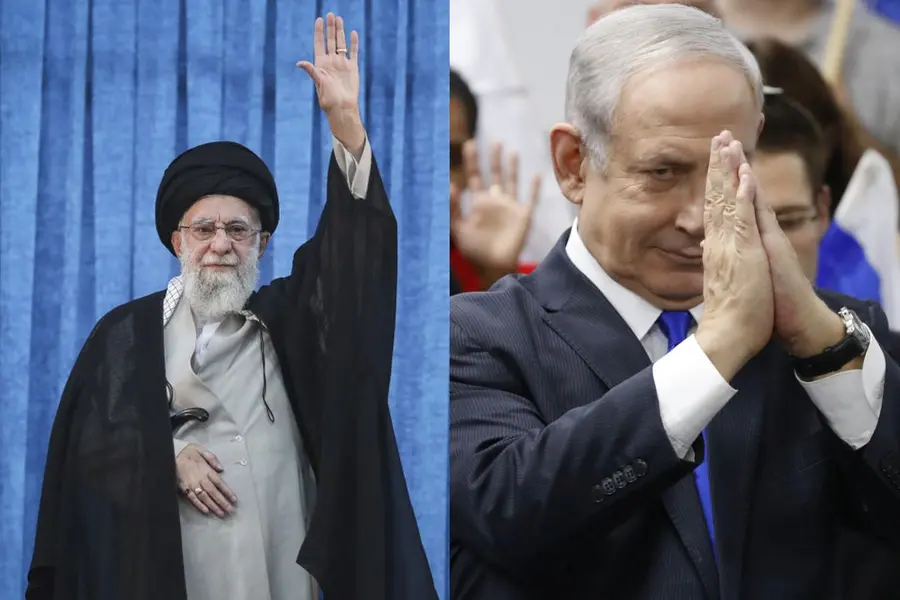
The simmering "shadow war" between Israel and Iran burst into overt conflict early Friday, as Israel launched strikes on Iranian nuclear and military facilities. The strikes, which triggered explosions across the Iranian capital of Tehran, have dramatically heightened the potential for a wider, more dangerous regional war.
This assault marks what appears to be the most substantial attack Iran has endured since its protracted war with Iraq in the 1980s. Iranian state media reported that the leader of Iran's paramilitary Revolutionary Guard, General Hossein Salami, and two top nuclear scientists were killed in the strikes -- a development that would undoubtedly be a severe blow to Tehran's governing theocracy and an immediate escalation of the nations' long-standing animosity.
Clear and present danger
Israel's brazen attack comes amid escalating tensions over Iran's rapidly advancing nuclear program. Israeli leaders have long viewed Iran's nuclear ambitions as an existential threat.
Prime Minister Benjamin Netanyahu, in a video announcing the military operation, asserted that the strikes were aimed at preventing Iran from acquiring a nuclear bomb, claiming the country is enriching uranium to a level "a short, technical step away from weapons-grade."
"This is a clear and present danger to Israel's very survival," Netanyahu declared, vowing to pursue the attack for as long as necessary to "remove this threat," a timeframe he suggested could range from "a few months" to "a year."
While Iran has consistently maintained its nuclear program is peaceful, US intelligence agencies have previously assessed that Iran was not actively building a weapon. However, Iranian officials have openly threatened to pursue a bomb, and tensions have surged in the seven years since President Donald Trump unilaterally withdrew from Tehran's 2015 nuclear deal with world powers.
The timing of the strike is particularly noteworthy, following the atomic watchdog agency's censure of Iran on Thursday for failing to comply with nuclear nonproliferation obligations. In response to that censure, Iran had just announced plans to open a previously undisclosed enrichment site and accelerate production of 60% highly enriched uranium -- a level that could be easily processed to the 90% necessary for nuclear weapons.
Targeting key facilities and leaders
Netanyahu claimed the strikes specifically hit Iran's main enrichment site, the Natanz atomic facility, and targeted Iran's leading nuclear scientists, as well as its ballistic missile arsenal.
Residents of Tehran reported hearing huge explosions, and Iranian state TV broadcast footage showing significant damage, including "blown-out walls, burning roofs and shattered windows in residential buildings across the capital." The Revolutionary Guard's headquarters was also reportedly set ablaze.
The confirmation of General Hossein Salami's death by Iranian state television signifies a major loss for Iran's military leadership.
Ripple effects
In anticipation of Iranian retaliation, Israel has taken defensive measures, closing its airspace and announcing the call-up of tens of thousands of soldiers to secure the country's borders.
Despite Netanyahu's claim that Iran "could produce a nuclear weapon within a very short time," experts generally assess that it would still take Iran months to build a weapon, even if it chose to do so, and it has not yet demonstrated the ability to miniaturize a bomb for missile deployment.
Iran has two primary enrichment sites: Natanz, located in central Isfahan province, and Fordo, near the Shiite holy city of Qom. Both facilities are designed with protective measures against airstrikes.
Natanz is an underground facility and has reportedly been targeted multiple times in suspected Israeli sabotage operations, as well as by the Stuxnet virus, believed to be an Israeli and American creation. Fordo is deeply embedded within a mountain and protected by anti-aircraft batteries.
The attack comes as indirect talks between American and Iranian diplomats, aimed at negotiating limits on Iran's uranium enrichment in exchange for the lifting of economic sanctions, had reportedly hit a stalemate.
US special envoy Steve Witkoff was slated to meet his Iranian counterparts in Oman for a sixth round of negotiations beginning Sunday, though it remains unclear if these talks will proceed.
Hours after the strikes, Iran's Supreme Leader Ayatollah Ali Khamenei threatened Israel would face "severe punishment". He added, "The powerful hand of the armed forces of the Islamic republic will not let (the attacks) go unpunished." Other Iranian officials echoed his warning, pledging vengeance, while state TV aired footage of Iranians chanting 'Death to Israel!' and 'Death to America!'.
Published: 13 Jun 2025, 10:37 am IST
Disclaimer: Kindly avoid objectionable, derogatory, unlawful and lewd comments, while responding to reports. Such comments are punishable under cyber laws. Please keep away from personal attacks. The opinions expressed here are the personal opinions of readers and not that of Mathrubhumi.
