
Israel has launched a sweeping aerial assault on Iran, dubbed Operation ‘Rising lion’
Jerusalem: In its boldest military action against Iran to date, Israel has initiated a wide-scale pre-emptive airstrike operation called ‘Rising Lion’, hitting multiple strategic targets including the Natanz nuclear facility and several military sites in Tehran.
The Israeli government said the strikes were launched to disrupt what it described as Iran’s “imminent” acquisition of nuclear weapons.
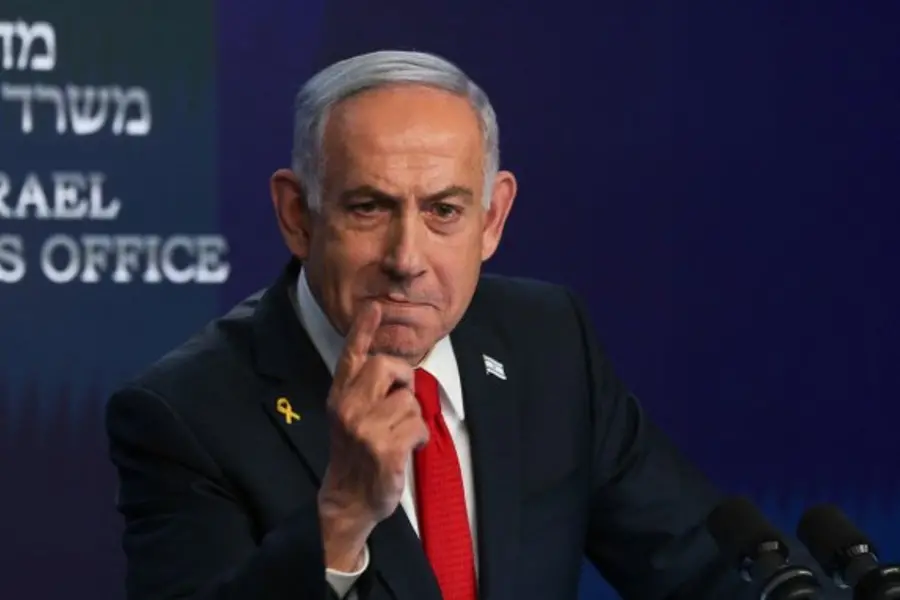
Iranian state media has reported civilian casualties in Tehran, including the destruction of entire residential buildings in areas housing senior military personnel. In a televised address, Israeli Prime Minister Benjamin Netanyahu confirmed that the operation struck Natanz—home to Iran’s main nuclear enrichment centre—as well as elite Iranian military scientists and commanders. Netanyahu said Iran's nuclear ambitions were a “clear and present danger” to Israel’s existence.
Israel’s Defence Minister Israel Katz declared a national “special emergency”, placing restrictions on civilian movement and advising the population to remain in protected shelters. Air raid sirens were heard across Jerusalem and parts of central Israel early Friday morning.
The Israeli military said the operation was based on intelligence suggesting Iran had reached a critical threshold in uranium enrichment. Dozens of airstrikes reportedly targeted long-range missile sites, military command hubs, and facilities linked to the Islamic Revolutionary Guard Corps in cities including Tehran, Isfahan, Arak and Kermanshah.
The United States has publicly denied participating in the strike. However, Secretary of State Marco Rubio confirmed that Israel had informed Washington in advance. The US has placed its 40,000 troops stationed across the Middle East on high alert and activated air defence systems. The aircraft carrier USS Carl Vinson, equipped with F-35 jets, remains deployed in the Arabian Sea.
The skies over Iran have been cleared of all civilian aircraft, with explosions heard in multiple provinces. Emergency services in Tehran have been mobilised, with fires reported at military housing sites and missile storage complexes.
Global oil markets reacted sharply, with Brent crude jumping 8% to $75 per barrel amid fears that Iran could retaliate by disrupting shipments through the Strait of Hormuz.
While Iran has yet to launch a direct counterattack, Iranian-backed militias across the region—Hezbollah in Lebanon, the Houthis in Yemen, and pro-Iran groups in Iraq—have reportedly been placed on high alert. Observers warn that a broader war could erupt if Iran chooses to respond militarily.
The Israeli military has described the strikes as part of a broader, sustained campaign, stating it will continue operations “for as many days as it takes” to neutralise the nuclear threat. The campaign follows Israel’s recent victories in regional conflicts, including the collapse of Bashar al-Assad’s regime in Syria.
As the world watches closely, the potential for a full-scale regional conflict looms large, with consequences not just for the Middle East, but global security and energy markets.
Published: 13 Jun 2025, 08:05 am IST
Related Topics
Disclaimer: Kindly avoid objectionable, derogatory, unlawful and lewd comments, while responding to reports. Such comments are punishable under cyber laws. Please keep away from personal attacks. The opinions expressed here are the personal opinions of readers and not that of Mathrubhumi.
