
The escalation came a day after an Israeli strike on the Ein el-Hilweh Palestinian refugee camp killed 13 people
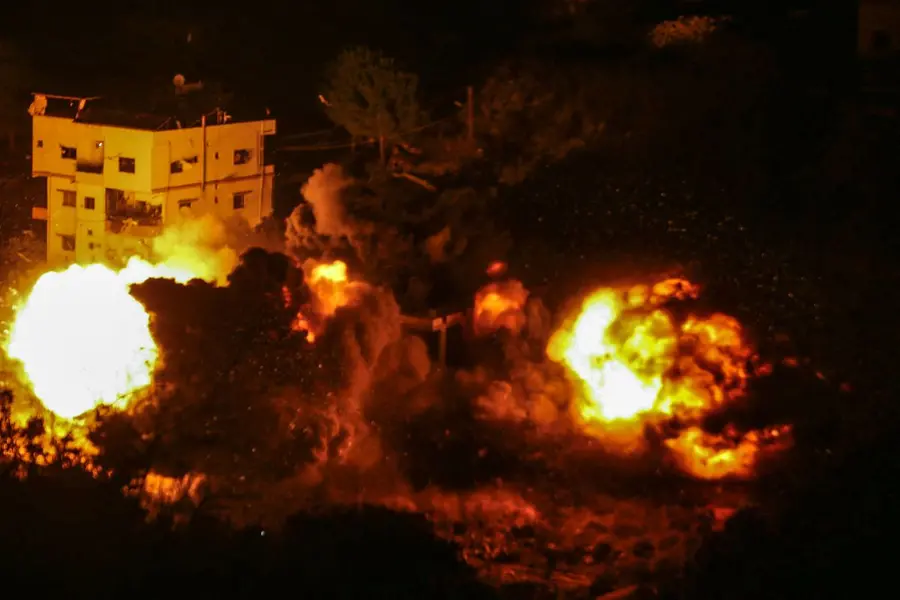
Lebanon: Israel carried out heavy airstrikes across southern Lebanon on Wednesday, targeting what it described as Hezbollah weapons depots and other sites. The bombardment followed an earlier drone strike that killed one person and injured 11 others, including students travelling on a nearby bus.
The escalation came a day after an Israeli strike on the Ein el-Hilweh Palestinian refugee camp killed 13 people — the deadliest attack in Lebanon since a ceasefire ended the Israel-Hezbollah war a year ago.
Israel-Hezbollah Tensions Rise
Israel’s military warned residents in several southern Lebanese villages to leave their homes before strikes began in Shehour and Deir Kifa. The army accused Hezbollah of rebuilding its capabilities in the area, claiming the group had embedded weapons facilities within civilian neighbourhoods. Israel withdrew from southern Lebanon last year under a deal that required Beirut to curb Hezbollah’s presence, though the group denies violating the agreement.
Earlier in the day, an Israeli strike on a car in the village of Tiri killed a Hezbollah operative, according to the Israeli army. Lebanon’s Health Ministry said the blast also wounded several people, among them students on a passing school bus.
Aftermath in Ein el-Hilweh
In Ein el-Hilweh, near Sidon, life largely returned to normal on Wednesday, though Lebanese authorities barred journalists from entering the camp. Paramedics searched for human remains around a blood-stained wall, with burnt cars and shattered debris marking the site of the explosion.
Israel said it had targeted a Hamas training compound preparing an attack, but Hamas denied the claim, insisting the site was a sports playground.
Palestinian factions in Lebanon’s 12 refugee camps recently began surrendering their weapons to the Lebanese state. While the government has pledged to address Hezbollah’s arsenal, the group insists it will not disarm while Israel maintains a presence along the border and continues near-daily strikes.
U.S. Pressure on Lebanon
Washington has increased pressure on Lebanon to rein in Hezbollah and cancelled Lebanese army commander Gen. Rudolph Haikal’s planned visit to the U.S. this week. A senior Lebanese army officer told AP that American officials were angered by a recent army statement blaming Israel for destabilising the south.
Gaza Sees Deadliest Day Since Ceasefire
Violence also surged in Gaza, where health officials said at least 25 Palestinians were killed and 77 wounded on Wednesday — one of the deadliest days since the 10 October ceasefire took effect. Bodies were received at hospitals in Gaza City, Khan Younis and the Muwasi displacement zone. Another strike killed one person in Shijaiyah, outside the designated safe zone.
Israel said its strikes were a response to militants firing on its soldiers in Khan Younis, insisting no troops were harmed. Hamas called the strikes a “shocking massacre” and denied attacking Israeli forces.
Despite the truce, Gaza’s Health Ministry reports more than 300 Palestinians have been killed since the ceasefire began. The war, sparked by Hamas’s 7 October 2023 attack that killed around 1,200 people in Israel, has left more than 69,000 Palestinians dead, according to Gaza’s ministry — figures widely considered credible by the UN and independent experts.
Netanyahu Visits Syrian Buffer Zone
Israeli Prime Minister Benjamin Netanyahu also visited a demilitarised buffer zone inside Syrian territory seized by Israel after President Bashar al-Assad’s fall last year. He emphasised Israel’s strategic aims in the area, saying the situation could “develop at any moment”.
The visit drew immediate condemnation from Syria and neighbouring states. Syria’s Foreign Ministry denounced it as a “grave violation” of sovereignty.
Published: 20 Nov 2025, 06:38 am IST
Related Topics
Disclaimer: Kindly avoid objectionable, derogatory, unlawful and lewd comments, while responding to reports. Such comments are punishable under cyber laws. Please keep away from personal attacks. The opinions expressed here are the personal opinions of readers and not that of Mathrubhumi.
