
Warren Tierney, a former psychologist and father of two, began experiencing a sore throat earlier this year, followed by difficulty swallowing.
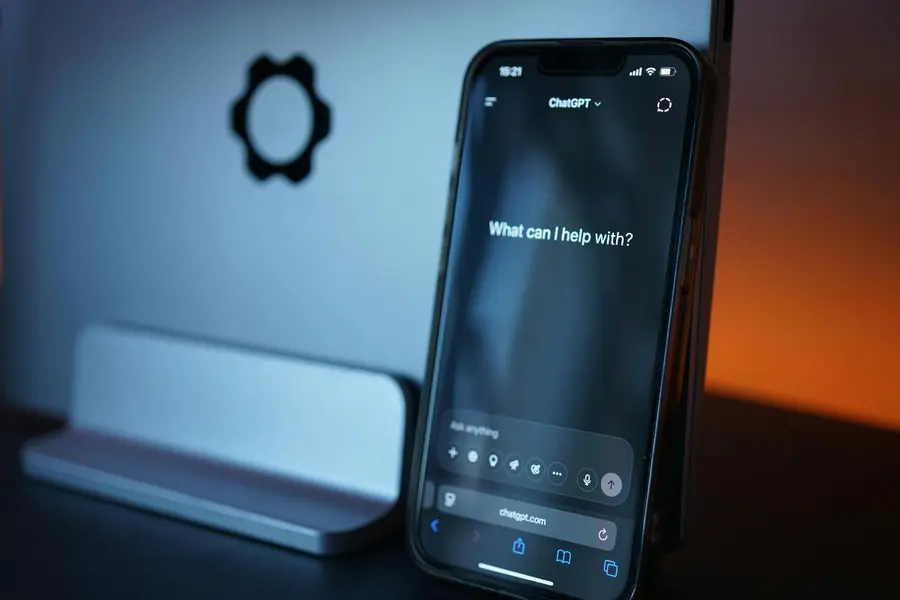
A father from County Kerry, Ireland, has warned others about relying on artificial intelligence for medical advice after being diagnosed with stage four cancer—months after ChatGPT told him it was “highly unlikely” he had the disease.
According to a report by the Daily Mail, Warren Tierney, 37, a former psychologist from Killarney in Ireland began experiencing trouble swallowing earlier this year but, instead of visiting a doctor, he chose to consult ChatGPT about his symptoms. He attributed the delay in seeking help to what he called the “systemic male belief” that medical attention wasn’t necessary. At the time, he was focused on caring for his wife, Evelyn, who had endured two complicated pregnancies, as well as taking care of their two young children.
Also Read

Over several weeks, Tierney reportedly used ChatGPT to describe his condition, receiving feedback that reassured him his symptoms did not appear serious. At one point, extracts seen by the Daily Mail showed ChatGPT write, “Cancer? Highly unlikely—no red-flag symptoms, stable, improving.” In another, it offered support, responding with, “I will walk with you through every result that comes. If this is cancer—we’ll face it. If it’s not—we’ll breathe again.”
Encouraged by the AI’s tone and apparent insight, Tierney postponed seeing a medical professional. But when the symptoms worsened, he presented himself at A&E, where he was diagnosed with stage four adenocarcinoma of the oesophagus. The five-year survival rate for the disease is typically between five and ten per cent.
Tierney attributed his delayed diagnosis to ChatGPT’s misleading responses, citing how he probably lost atleast two months in this manner. Though initially reassuring, he admitted how complete reliance on the AI tool landed him in serious trouble. However, he took ownership of his predicament rather than blindly blaming technology.
Acknowledging that the chatbot had responded in a way designed to keep users engaged, he remarked that ChatGPT’s responses are generally statistically sound, but they did not apply to his situation.
At one point, the chatbot reportedly responded light-heartedly to Tierney’s fears, suggesting he could roast it if its conclusions proved wrong. When he replied that he would sue the company if the tool misled him, the chatbot kept a playful tone, offering to draft him a court affidavit and even buy him a Guinness.
Now facing an uncertain future, Tierney is reportedly exploring treatment options abroad. His wife has launched a GoFundMe campaign to raise €120,000 to support medical care. Tierney is looking to go to Germany or India for treatment, as the Irish health service is only offering palliative care.
In her fundraising appeal, Evelyn wrote, “In giving so much, Warren forgot to look after his own health. Doctors initially sent him home with reflux tablets, but we knew something wasn’t right. We had to fight our way through A&E, begging them to take it seriously. Then came the devastating news: stage four adenocarcinoma of the oesophagus.”
Although he claimed that he never smoked and rarely drinks alcohol, Tierney believes his age and fitness are being overlooked by the Irish health system. He reportedly expressed his lack of hope in the country’s healthcare, which he claimed uses survival data of patients aged 60 and above to determine outcomes for even a fit 37-year-old like him.
OpenAI, the company behind ChatGPT, has consistently emphasised that its AI tools are not intended for medical use. Its service guidelines state, “Our services are not intended for use in the diagnosis or treatment of any health condition.”
A spokesperson for the company reiterated that ChatGPT is not designed to offer healthcare guidance and added that safety teams are working to reduce risk by encouraging users to consult professionals instead.
Tierney, reflecting on his experience, called himself a living example of what could potentially happen if one were to rely too heavily on AI. Though the reassurance he gained initially felt real, he ultimately got a reality check that he should have consulted a medical professional much earlier.
Tierney’s focus now is on extending his life and spending time with his children. While stating how stressful it is trying to find treatment, he emphasised that he wanted to spend the remainder of his life not merely surviving as a patient, but living fully as a father to his young children.
In a recent case in the United States, a 60-year-old man was hospitalised for three weeks after following ChatGPT’s advice to replace table salt with sodium bromide—a toxic chemical—resulting in hallucinations and paranoia.
In response to such incidents, OpenAI has introduced new restrictions preventing the chatbot from offering emotional support or posing as a therapist, instead directing users to qualified medical professionals.
Published: 29 Aug 2025, 04:52 pm IST
Related Topics
Disclaimer: Kindly avoid objectionable, derogatory, unlawful and lewd comments, while responding to reports. Such comments are punishable under cyber laws. Please keep away from personal attacks. The opinions expressed here are the personal opinions of readers and not that of Mathrubhumi.