
One month into the ongoing conflict involving the Iran, US President Donald Trump faces critical decisions between escalating military action or pursuing a negotiated exit
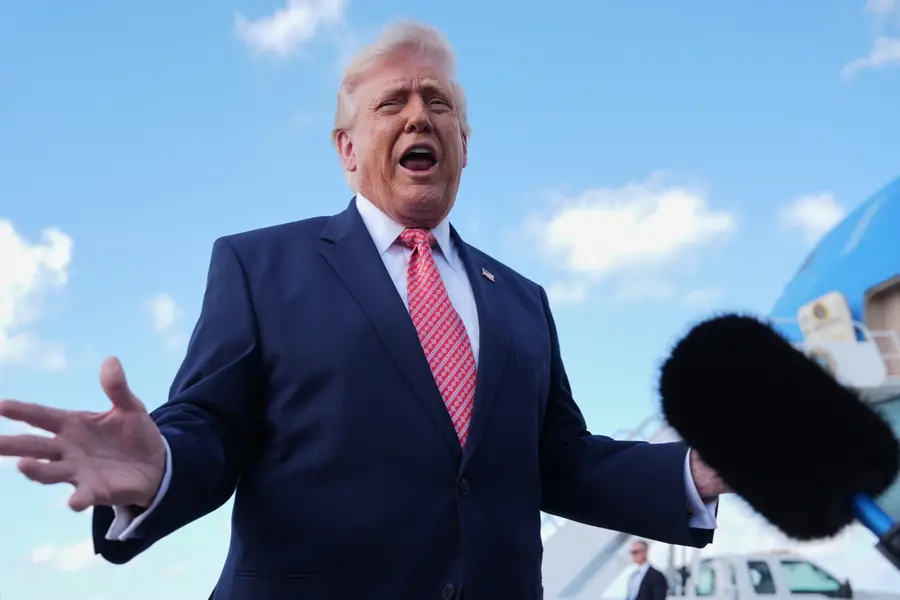
Washington DC: As the conflict involving Iran enters its second month, the US administration under President Donald Trump is facing mounting pressure to choose between escalating military operations or pursuing a negotiated exit. According to reporting cited by Reuters, both options carry strategic, political and economic risks, with no clear consensus on how the war should conclude.
Economic strain driven by energy disruptions
Also Read

One of the most immediate consequences of the conflict has been its impact on global energy markets. Disruptions in key maritime corridors such as the Strait of Hormuz—a vital passage for global oil shipments—have contributed to volatility in fuel prices and supply chains. These disruptions have had ripple effects on the global economy, increasing costs and uncertainty across multiple sectors.
Continued military activity across the Middle East
Despite ongoing diplomatic efforts, hostilities have persisted across the Middle East. Iran has continued missile and drone operations, while US and allied forces have targeted Iranian infrastructure in response. The exchanges have extended beyond direct state actors, involving aligned groups and contributing to a broader pattern of regional instability.
Diplomatic efforts face limited progress
Attempts to establish a negotiated settlement have so far made limited headway. Reported backchannel communications and proposed frameworks aimed at restricting Iran’s nuclear and military capabilities have not yielded agreement. Iranian authorities have expressed scepticism toward US proposals, particularly those involving significant constraints on its defence and nuclear programmes, slowing diplomatic momentum.
Military options remain under consideration
Reports indicate that US planners have evaluated multiple operational scenarios, including continued air strikes and limited special operations. While ground troop deployment has been discussed in contingency planning, it remains uncertain and politically sensitive due to the risks of escalation and prolonged engagement. Officials have not confirmed any final decisions regarding such actions.
Regional implications and wider instability
The conflict has contributed to broader tensions across the region, affecting not only Iran but also neighbouring countries and allied forces. Maritime security, energy infrastructure and cross-border dynamics have all been impacted, increasing concerns about sustained instability and potential spillover effects into adjacent areas.
Domestic political pressure and approval ratings
Within the United States, the war has become a significant political issue. Rising energy costs and prolonged military involvement have coincided with declining public approval ratings for the administration. Lawmakers have also raised concerns about the lack of clarity regarding strategic objectives and the absence of a clearly defined exit strategy.
Uncertain trajectory with no clear endgame
With diplomatic, military and economic factors all intersecting, the trajectory of the conflict remains uncertain. Analysts note that the absence of a unified end goal complicates decision-making at the highest levels, leaving the administration to balance competing priorities while attempting to manage both domestic and international consequences of the ongoing war.
Published: 29 Mar 2026, 08:06 am IST
Disclaimer: Kindly avoid objectionable, derogatory, unlawful and lewd comments, while responding to reports. Such comments are punishable under cyber laws. Please keep away from personal attacks. The opinions expressed here are the personal opinions of readers and not that of Mathrubhumi.