
Iran has issued mixed signals over potential peace talks with the United States after the seizure of an Iranian vessel escalated tensions across the Middle East.
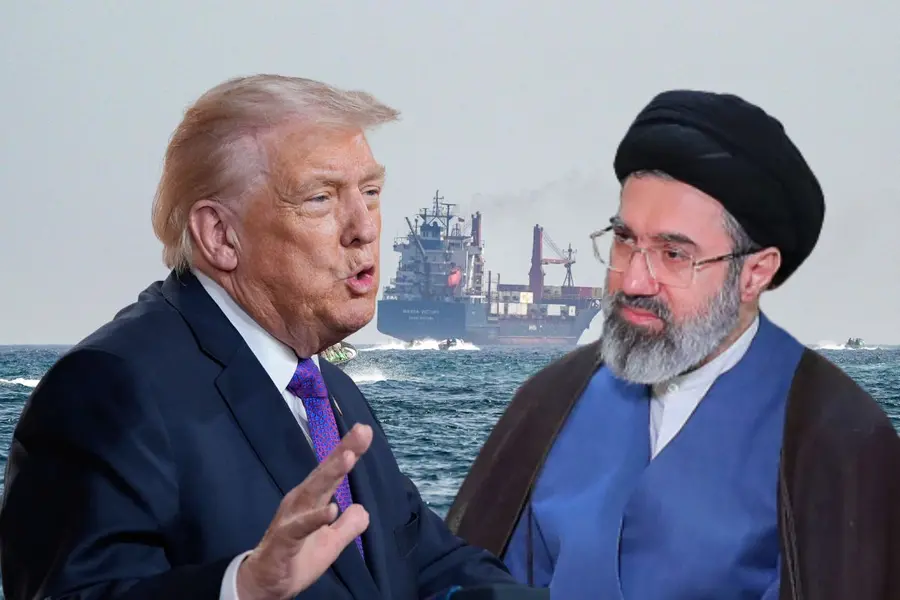
Tehran: The Middle East crisis continues to deepen as Iran delivers conflicting signals on whether it will participate in fresh negotiations with the United States, following the seizure of an Iranian-flagged ship by US forces.
Confusion over peace talks participation
Also Read

A senior Iranian official told Reuters that Tehran is “positively reviewing” participation in possible talks, even as state media earlier reported that there were “no plans” for a new round of negotiations. The contradiction highlights growing uncertainty within Iran’s diplomatic position.
Iran has also accused the United States of violating ceasefire arrangements, citing the ship seizure and continued naval restrictions in key waterways as major points of tension.
US delegation proceeds amid uncertainty
Despite Iran’s unclear stance, reports indicate that a US delegation is preparing to travel to Islamabad for discussions. However, it remains uncertain whether Iranian representatives will attend the proposed meeting.
The situation follows earlier rounds of talks that ended without agreement, with both sides accusing each other of breaching temporary ceasefire terms.
Escalation in regional tensions
The crisis has been further complicated by developments in the Strait of Hormuz, where maritime restrictions and naval interceptions have disrupted global shipping routes. Oil prices have surged amid fears of prolonged instability in the region.
Separately, tensions remain high in Lebanon, where ceasefire conditions between Israel and Hezbollah continue to face strain, despite reports that the agreement is largely holding.
Rising global concern
With key energy routes affected and diplomatic channels uncertain, international observers warn that continued escalation could have significant global economic consequences.
The coming days are expected to be crucial as both sides reassess their positions on whether formal negotiations can resume or collapse further into confrontation.
Published: 20 Apr 2026, 09:21 pm IST
Disclaimer: Kindly avoid objectionable, derogatory, unlawful and lewd comments, while responding to reports. Such comments are punishable under cyber laws. Please keep away from personal attacks. The opinions expressed here are the personal opinions of readers and not that of Mathrubhumi.