
Ceasefire isn’t the end, here are the 10 demands Iran has put on the table for the US. From sanctions to oil routes, these conditions could decide what happens next.
Tehran: Even as a temporary ceasefire has been announced, Iran has made it clear that the conflict with the United States is far from over. The country’s Supreme National Security Council said the two-week truce is only a pause, with the real focus now shifting to negotiations around a detailed 10-point plan.
The statement follows a ceasefire announcement by Donald Trump, but Iranian authorities stressed that this does not signal peace.
The Council said the pause in fighting is conditional and tied to upcoming talks, stating the ceasefire “does not signal an end to the war,” with key issues still unresolved.
ALSO READ: ‘Hold off the destructive force’: Here’s what Donald Trump said on pausing Iran strikes for 2 weeks
What are Iran’s 10 key demands?
Here’s a clear breakdown of what Iran wants:
- No further US aggression against Iran
- Full Iranian control over the Strait of Hormuz, a critical global oil route
- Recognition of Iran’s nuclear enrichment rights
- Removal of all primary US sanctions
- End to secondary sanctions affecting other countries dealing with Iran
- Cancellation of UN Security Council resolutions against Iran
- Scrapping IAEA Board of Governors resolutions targeting Iran
- Compensation for war-related damages
- Withdrawal of US forces from the region
- Complete halt to hostilities across all fronts, including Lebanon
These demands, reported by Iran’s Mehr News Agency, form the basis of the upcoming negotiations.
ALSO READ: Shehbaz Sharif’s ‘draft’ tweet blunder takes over internet before Iran-US ceasefire call
In a strong-worded statement, the Council said Iran had achieved a “great victory” and had “forced” the United States to accept its framework for discussions.
According to Iranian officials, the US has agreed to use this 10-point plan as the starting point for negotiations, though there has been no independent confirmation from Washington.
Talks set to begin in Islamabad
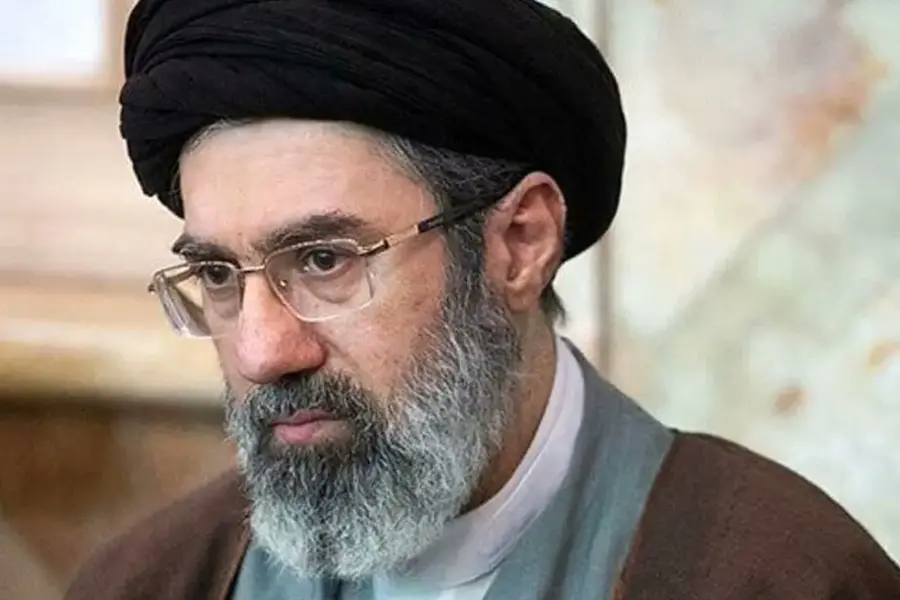
Negotiations are expected to begin on April 10 in Islamabad, under the supervision of Mojtaba Khamenei.
Iran has indicated it will enter the talks with “complete distrust of the American side,” while allowing a two-week window to reach an agreement, extendable if both sides agree.
One of Iran’s key conditions is that any final deal must be backed by a binding UN Security Council resolution, effectively turning the agreement into enforceable international law.
Public reaction to the ceasefire in Iran
Despite the uncertainty, many Iranians took to the streets to celebrate the temporary ceasefire. In Tehran, people waved national flags and gathered outside their homes, reflecting cautious optimism after days of tension.
Published: 08 Apr 2026, 08:00 am IST
Disclaimer: Kindly avoid objectionable, derogatory, unlawful and lewd comments, while responding to reports. Such comments are punishable under cyber laws. Please keep away from personal attacks. The opinions expressed here are the personal opinions of readers and not that of Mathrubhumi.
