
Dr. Mohammad Hossein Ziyaeenia said the condition of Supreme Leader Hazrat Ayatollah Sayyid Mojtaba Khamenei is good, adding that, based on communication a couple of days earlier, he is fine.
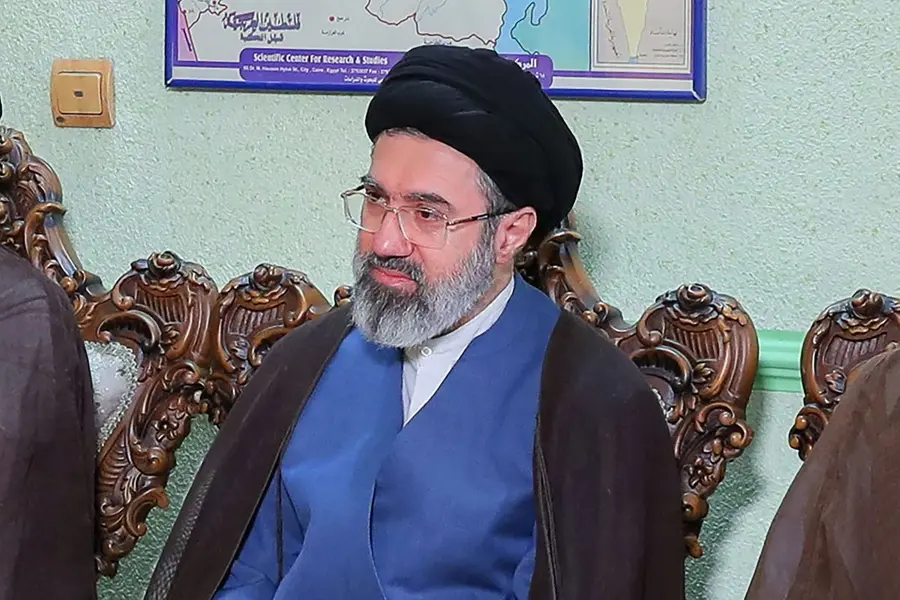
New Delhi: Amid swirling international speculation, Dr. Mohammad Hossein Ziyaeenia, the Deputy Representative of the Supreme Leader of Iran in India, has officially dismissed reports suggesting that Ayatollah Mojtaba Khamenei is in failing health. Speaking in an interview with ANI on Tuesday, Ziyaeenia characterized the claims as unfounded "rumours" and provided an optimistic update on the leader's condition following the recent regional escalations.
The clarification follows a New York Times report indicating that Mojtaba Khamenei had largely vanished from public view after the February 28 airstrikes on the compound of the former Supreme Leader, Ali Khamenei. While those strikes resulted in the tragic deaths of his wife and son, Ziyaeenia insists that the current leader has maintained stability.
Health status and regional conflict
Addressing the health queries directly, Ziyaeenia stated that recent communications confirm the Supreme Leader is recovering well.
"The situation of our Supreme Leader, Hazrat Ayatollah Sayyid Mojtaba Khamenei, is, thanks to God, good. According to the communication that we had a couple of days ago, he is in a good situation, he's fine," Ziyaeenia said.
He further emphasized that outside speculation is inaccurate, adding, "All these rumours that his health is not in a good situation and he has some problems - these are not authentic, and he is fine."
Turning to the geopolitical landscape, Ziyaeenia reiterated that Iran remains resolute in the ongoing West Asia conflict, which has seen a tenuous ceasefire hold since April 7. He invoked the words of the late Ali Khamenei to define Iran’s endurance:
"From the very beginning of the war, we stated the famous sentence from our late Supreme Leader Hazrat Ayatollah Sayyid Ali Khamenei: 'Americans, the enemies, started this war, but we are the ones who will finish this war; we will decide how this war will finish,'" he said.
Also read: Trump says Iran in ‘State of Collapse,’ requests US to reopen Strait of Hormuz
Internal unity and governance structure
Ziyaeenia also pushed back against Western reports of internal division or a potential systemic collapse within the Islamic Republic. He argued that the Iranian government is built on a resilient hierarchy rather than a singular individual.
"The Iranian government system is not dependent on a single person because this is a republic... So it's not that there is a single figure in command in Iran and the country would collapse without him. There is a hierarchy there," he explained.
He noted that the pressures of the war have served to unify the populace against external threats, despite the economic hardships caused by international sanctions.
"One year ago, because of the unjust sanctions put on us by our enemies, there was some division in Iran. After this war, there is no division. The people have now understood that the source of those economic problems was coming from outside... That's why they want to create division inside Iran because they see that the people of Iran are united," he added.
Regarding the role of global powers like India, Russia, and China in mediating the conflict, Ziyaeenia concluded with a poignant observation on the humanitarian cost of the war versus its economic impact:
"Everyone is worried about the price of gas or oil. But no one is worried about the price of the lives of the people who are getting killed," he said. (ANI)
Published: 29 Apr 2026, 12:01 am IST
Disclaimer: Kindly avoid objectionable, derogatory, unlawful and lewd comments, while responding to reports. Such comments are punishable under cyber laws. Please keep away from personal attacks. The opinions expressed here are the personal opinions of readers and not that of Mathrubhumi.
