
Iran protests intensify with 35 dead amid widespread unrest. Economic woes & sanctions fuel anger. US warns Iran. Click for details on this critical situation!
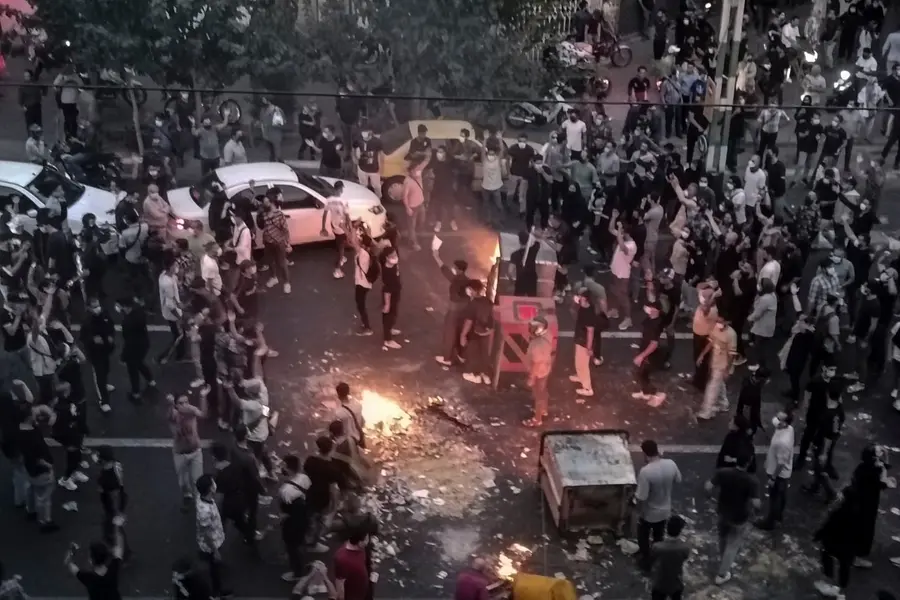
Violence linked to ongoing protests in Iran has killed at least 35 people, according to activists, as demonstrations continue across the country with no sign of slowing down.
The U.S.-based Human Rights Activists News Agency said on Tuesday that more than 1,200 people have been detained since the protests began over a week ago. Among those killed were 29 protesters, four children, and two members of Iran’s security forces, the group reported.
Demonstrations have spread to more than 250 locations in 27 of Iran’s 31 provinces, showing the wide reach of the unrest. The group relies on an activist network inside Iran and has been considered reliable during previous protests.
How have authorities responded?
Iranian state-linked media has released limited information. However, the semiofficial Fars news agency, which is believed to be close to the Revolutionary Guard, reported that about 250 police officers and 45 members of the Basij volunteer force were injured during the unrest.
Supreme Leader Ayatollah Ali Khamenei addressed the situation on Saturday, warning that what he called “rioters” must be dealt with firmly. Despite this, protests have continued in several areas.
Could the crisis draw international involvement?
The rising death toll has drawn international attention. U.S. President Donald Trump warned Iran last week that the United States would “come to the rescue” if peaceful protesters were violently killed. Iranian officials reacted angrily, threatening retaliation against U.S. forces in the Middle East.
Tensions increased further following reports that the U.S. military had captured Venezuelan President Nicolás Maduro, a close ally of Tehran, though details remain unclear.
Why are people protesting in Iran?
The current demonstrations are the largest since 2022, when the death of Mahsa Amini in police custody sparked nationwide protests. While widespread, the current unrest has not yet reached the same intensity as those earlier demonstrations.
Economic pressure appears to be a major factor. Following increased sanctions and the aftermath of a brief conflict with Israel, Iran’s economy has suffered. In December, the rial collapsed to around 1.4 million to the U.S. dollar, triggering fresh public anger.
Published: 06 Jan 2026, 07:39 am IST
Related Topics
Disclaimer: Kindly avoid objectionable, derogatory, unlawful and lewd comments, while responding to reports. Such comments are punishable under cyber laws. Please keep away from personal attacks. The opinions expressed here are the personal opinions of readers and not that of Mathrubhumi.
