
Iranian Interior Minister Eskandar Momeni has arrived in Pakistan for high-level talks aimed at reviving stalled negotiations with the United States, as renewed fighting between the two countries continues for a tenth consecutive day.
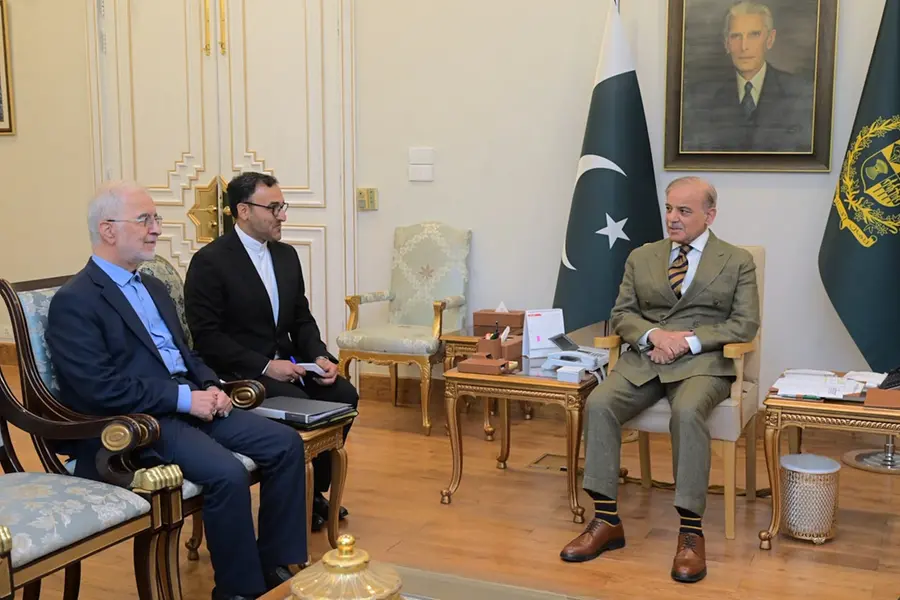
Tehran: Iranian Interior Minister Eskandar Momeni arrived in Islamabad on Tuesday to hold talks with Pakistani leaders as Tehran seeks to revive peace negotiations with the United States. The visit comes amid escalating military tensions following the collapse of the interim ceasefire reached in June 2026.
Momeni is leading a high-level delegation and is expected to meet Pakistan's Prime Minister Shehbaz Sharif after holding discussions with Army Chief Field Marshal Asim Munir. Pakistan, alongside Qatar, is attempting to facilitate fresh negotiations between Washington and Tehran.
Also Read

Pakistan and Qatar step up mediation
Pakistan and Qatar are working together to restore dialogue after the June memorandum of understanding, which temporarily halted hostilities, collapsed last week.
The mediators are reportedly urging both countries to consider a fresh 10-day ceasefire proposal that could create space for renewed diplomatic negotiations. Iran has also presented a new 10-point proposal aimed at restarting discussions.
The United States has indicated that it remains open to negotiations, provided Iran is prepared to make meaningful commitments.
US Secretary of State Marco Rubio said: "Have to be real."
According to the US administration, any future talks must involve substantive progress on the issues that led to the breakdown of the previous agreement.
Fighting continues despite diplomatic push
While diplomatic efforts continue in Islamabad, military operations have intensified across the region.
Iran's Revolutionary Guard reportedly attacked a commercial tanker in the Strait of Hormuz, forcing its crew to abandon the vessel. In response, the United States carried out another round of airstrikes targeting Iranian positions, marking the tenth consecutive night of retaliatory operations.
The continued conflict has disrupted maritime traffic through the Strait of Hormuz, one of the world's busiest oil shipping routes, contributing to rising global crude oil prices.
June ceasefire collapsed after renewed violence
The memorandum of understanding signed in June 2026 was intended to establish a 60-day pause in hostilities while both sides negotiated issues including Iran's nuclear programme and maritime security.
However, renewed violence brought the agreement to an end, prompting US President Donald Trump to authorise a broader military campaign targeting Iran's nuclear capabilities.
Trump wrote on social media: "Every time Iran kills an American Soldier they will pay… many times over!"
What happens next?
Attention is now focused on Islamabad, where Pakistani and Qatari mediators are attempting to secure support for a new ceasefire proposal. If accepted, the initiative could reopen formal negotiations between Iran and the United States and help reduce tensions across the Middle East.
For now, however, diplomacy and military operations continue simultaneously, with the conflict showing no immediate signs of ending.
Published: 21 Jul 2026, 05:58 pm IST
Disclaimer: Kindly avoid objectionable, derogatory, unlawful and lewd comments, while responding to reports. Such comments are punishable under cyber laws. Please keep away from personal attacks. The opinions expressed here are the personal opinions of readers and not that of Mathrubhumi.