
Amid escalating tensions and an approaching deadline set by US President Donald Trump, Iran has reportedly called on youth to form symbolic human chains around power plants to signal support for protecting national infrastructure.
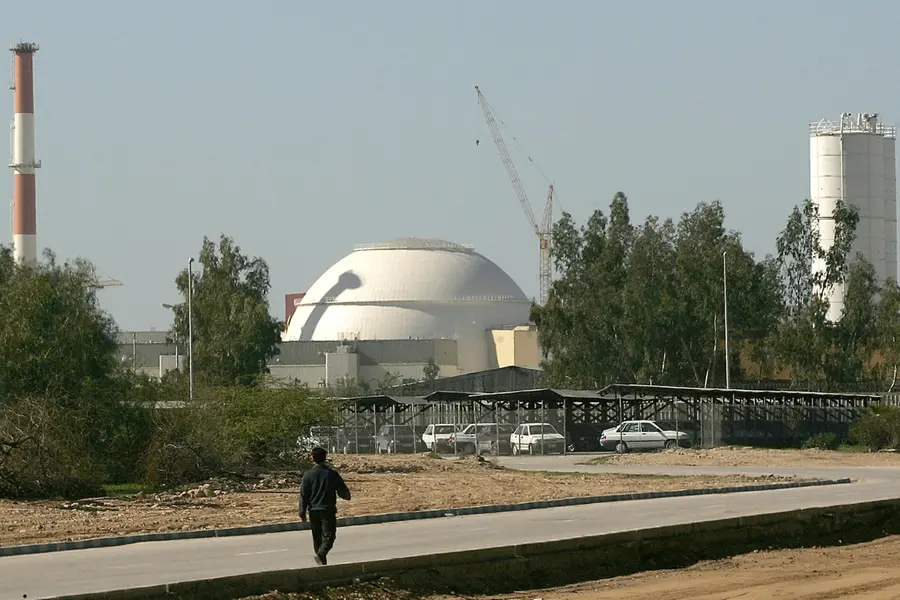
Tehran: Iran has reportedly encouraged young people to participate in a symbolic initiative aimed at protecting key infrastructure, particularly power plants, as tensions with the United States intensify.
The move comes ahead of a deadline issued by US President Donald Trump, linked to demands regarding the reopening of the Strait of Hormuz.
Also Read

Youth mobilisation and human chain concept
According to reports, Iran’s Ministry of Sports and Youth has called upon students, athletes, artists, and other young citizens to gather and form human chains around power plants across the country. The initiative is described as a symbolic act rather than a defensive measure, intended to demonstrate unity and public support for safeguarding critical national infrastructure.
Officials have stated that the idea originated from youth groups and university communities who proposed organising collective gatherings around strategic facilities. The planned activity is expected to take place at a designated time and location, with participants forming a visible ring around selected sites.
Context of rising US–Iran tensions
The reported mobilisation comes amid heightened geopolitical tensions, with Trump issuing warnings tied to a deadline for Iran to comply with demands related to the Strait of Hormuz. The US has indicated that failure to meet these conditions could result in targeted action against infrastructure, including bridges and power plants.
Iran, on its part, has maintained its position regarding control and usage of the Strait of Hormuz, a vital global energy route. Officials and affiliated groups have suggested measures aimed at reinforcing national control over strategic assets and waterways.
Strategic importance of infrastructure
Power plants are considered critical infrastructure, essential for maintaining electricity supply, industrial activity, and daily life. Any disruption to such facilities could have wide-ranging economic and humanitarian consequences. The reported human chain initiative highlights the symbolic importance of these assets in the broader context of national security and sovereignty.
Broader implications
The developments reflect the intersection of public mobilisation, political messaging, and international tensions. While the human chain is described as symbolic, it underscores domestic efforts to project unity at a time of external pressure. At the same time, ongoing rhetoric between the US and Iran continues to shape diplomatic dynamics, with both sides maintaining firm positions on key issues.
The reported call for youth participation is framed as a civic initiative involving voluntary gatherings rather than a formal defensive strategy. Statements attributed to officials suggest that the idea emerged from student groups and youth organisations seeking to express solidarity with national infrastructure amid rising external pressure.
The Strait of Hormuz remains central to the dispute due to its role as a major global oil transit route. Any restrictions or disruptions in this corridor can have significant implications for international energy markets. As such, it has become a focal point in negotiations and strategic planning between involved parties.
US–Iran tensions have been characterised by a combination of diplomatic engagement and strong rhetoric. Trump’s deadline and associated warnings have added urgency to ongoing discussions, while Iran continues to emphasise conditions for any agreement, including security guarantees and control over strategic routes.
Public mobilisation efforts, such as the reported human chain, are often used in geopolitical contexts to signal national cohesion and resilience. In this case, the initiative is presented as a symbolic gesture of unity rather than a tactical defence measure.
As developments continue, both diplomatic and public-facing actions are shaping the narrative of the US–Iran standoff, with infrastructure, energy security, and regional stability remaining key points of concern.
Published: 07 Apr 2026, 07:57 am IST
Disclaimer: Kindly avoid objectionable, derogatory, unlawful and lewd comments, while responding to reports. Such comments are punishable under cyber laws. Please keep away from personal attacks. The opinions expressed here are the personal opinions of readers and not that of Mathrubhumi.