
India joins US efforts to curb fentanyl precursors amid rising global drug threat.
Washington: India is actively cooperating with the United States to prevent the flow of fentanyl precursor chemicals, a senior American intelligence official told lawmakers on Wednesday, highlighting the growing global focus on synthetic drug threats.
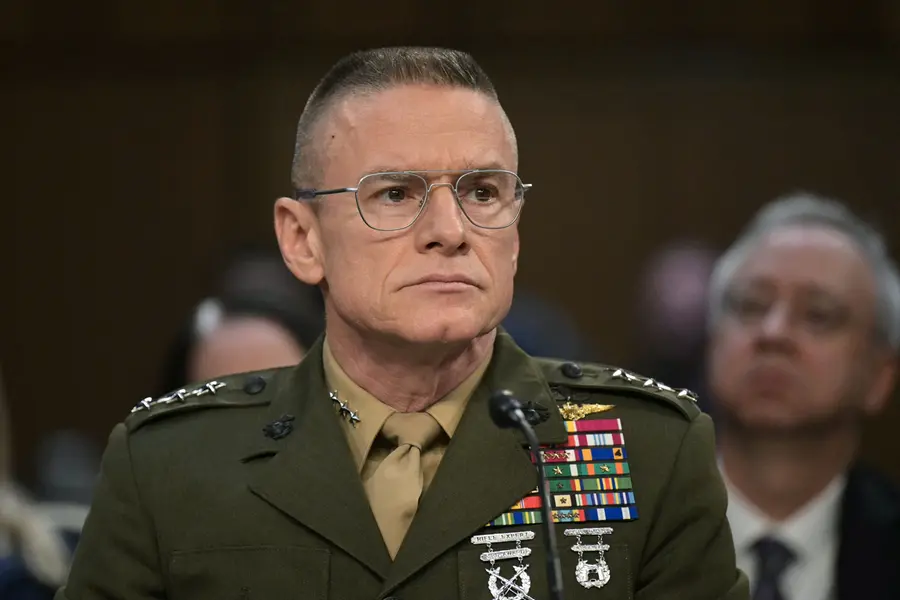
Presenting the 2026 Annual Threat Assessment before the Senate Select Committee on Intelligence, James H Adams III, Director of the Defence Intelligence Agency (DIA), said transnational criminal organisations continue to pose significant risks through the production and trafficking of synthetic opioids.
“U.S. efforts to work with China and India to halt the flow of fentanyl precursor chemicals to North America are demonstrating some improvement,” Adams said, while noting that further action remains necessary.
Adams warned that Mexico-based cartels continue to dominate the manufacture and smuggling of fentanyl and other narcotics into the United States, representing “a daily and direct threat to the health and safety of millions of U.S. citizens.”
Also read| Massive naval moves: US works with allies to secure critical maritime routes
Terrorism and evolving threats
At the same hearing, Tulsi Gabbard, Director of National Intelligence, emphasised that terrorist groups remain a global concern, despite their diminished capacity compared to previous years. She highlighted a shift towards individual radicalisation via online propaganda, noting that complex, organised threats are decreasing.
CIA Director John Ratcliffe warned that Iran remains a major threat, particularly due to its missile programme, while noting increased foreign intelligence collection, including in China, technology, and AI sectors.
Also Read| Global air travel to more than double by 2050: IATA
FBI Director Kash Patel flagged rising domestic security risks from online radicalisation, cybercrime, and AI-enabled threats, detailing how the FBI disrupted multiple ISIS-inspired terrorist plots and expanded coordination across 59 Homeland Security taskforces.
Officials also highlighted the growing impact of artificial intelligence on cyberattacks, disinformation campaigns, and military decision-making, signalling an evolving global security landscape.
IANS
Published: 18 Mar 2026, 11:42 pm IST
Related Topics
Disclaimer: Kindly avoid objectionable, derogatory, unlawful and lewd comments, while responding to reports. Such comments are punishable under cyber laws. Please keep away from personal attacks. The opinions expressed here are the personal opinions of readers and not that of Mathrubhumi.
