
India halted the agreement following the 2025 Pahalgam terror attack, demanding Pakistan dismantle cross-border terror infrastructure first.
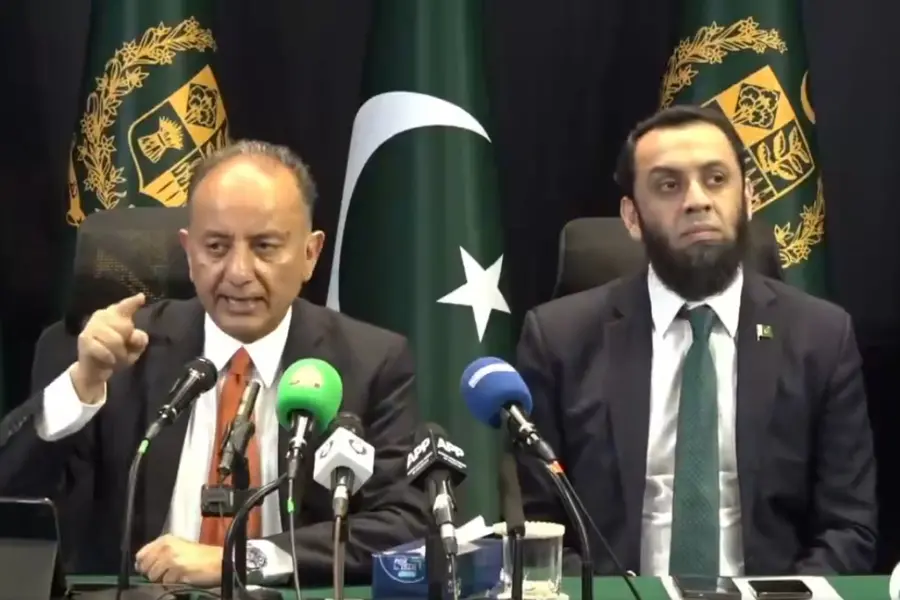
New Delhi: Tensions between India and Pakistan have escalated further following a provocative statement from Pakistan’s Climate Change Minister, Musadik Malik, regarding the 1960 Indus Waters Treaty (IWT). Speaking at a press conference in Islamabad on Monday, Malik warned that Pakistan would “cut off those hands” that attempt to control the water flow allocated to his nation under the treaty.
The remarks follow New Delhi’s decision to keep the treaty in abeyance, a policy implemented in the aftermath of the April 2025 terror attack in Pahalgam, which resulted in the deaths of 26 civilians. The Indian government has maintained that this suspension will remain in place until Pakistan takes “credible and irreversible” steps to dismantle cross-border terror infrastructure.
A Strained Agreement
The Indus Waters Treaty, brokered by the World Bank, historically allocates the eastern rivers (Ravi, Beas, and Sutlej) to India and the western rivers (Indus, Jhelum, and Chenab) primarily to Pakistan.
During the joint press conference, Pakistan’s Information Minister, Attaullah Tarar, asserted that the IWT remains a “legally binding” international agreement that cannot be unilaterally revoked or amended. Tarar reiterated the stance of Prime Minister Shehbaz Sharif and Field Marshal Asim Munir, labelling water as both a “lifeline” and a “red line” for the country.
Underlying Crisis
The rhetoric arrives against a backdrop of a deepening water crisis within Pakistan. Local reports from Dawn indicate that critical agricultural regions, particularly in Sindh and parts of Balochistan, are facing severe irrigation shortages. According to reports, significant deficits at major infrastructure points like the Sukkur Barrage, where the Dadu Canal has reportedly faced water supply deficits of up to 82%.
India's Stance
New Delhi has consistently rejected calls to restore the treaty under current conditions. During a United Nations event marking World Water Day 2026, India’s Permanent Representative, Harish Parvathaneni, stated that India signed the original treaty in “good faith” but was ultimately compelled to place it in abeyance due to repeated provocations and Pakistan's failure to address terrorism. India has also argued that the 65-year-old treaty requires a revisit to account for modern climate shifts, demographic changes, and advancements in dam technology.
While Pakistan has announced plans to host an international seminar to discuss its legal rights and the technical aspects of the IWT, official sources in India have reiterated that their position remains unchanged, with no concessions currently under consideration.
Published: 30 Jun 2026, 12:18 pm IST
Related Topics
Disclaimer: Kindly avoid objectionable, derogatory, unlawful and lewd comments, while responding to reports. Such comments are punishable under cyber laws. Please keep away from personal attacks. The opinions expressed here are the personal opinions of readers and not that of Mathrubhumi.
