
While the IAEA is closely monitoring the situation, it has not specified if Iran's nuclear facilities were targeted.
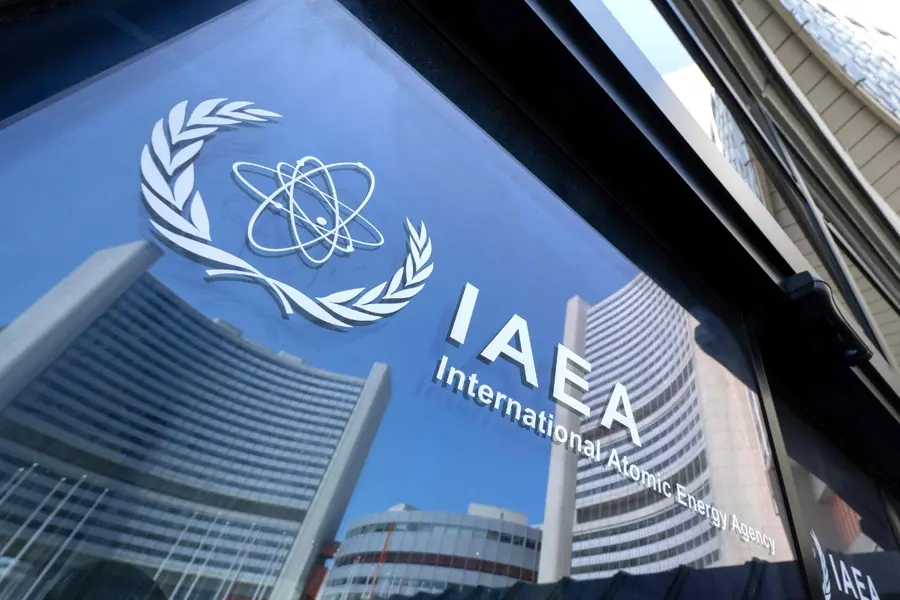
The United Nations’ nuclear watchdog announced Saturday that it has detected no "radiological impact" following a series of joint U.S.-Israeli military strikes across Iran and subsequent retaliatory attacks throughout the Middle East.
While the International Atomic Energy Agency (IAEA) confirmed that regional radiation levels remain stable, the agency declined to specify whether Iran's sensitive nuclear facilities, such as those at Natanz or Isfahan, were among the targets of the ongoing "Operation Epic Fury."
"The IAEA is closely monitoring developments in the Middle East, and urges restraint to avoid any nuclear safety risks to people in the region," the agency stated in a message posted to X. "The IAEA is in permanent contact with countries in the region, so far, no evidence of any radiological impact."
Safety and Sovereignty
IAEA Director General Rafael Grossi has repeatedly warned that targeting nuclear installations violates international norms and risks "catastrophic" humanitarian and environmental consequences. Although no leaks have been reported from the current volleys, the agency remains on high alert, coordinating with regional governments to ensure that any damage to civilian or research reactors does not lead to a radioactive release.
The U.S. and Israel have both asserted that their operations are intended to dismantle the Iranian "machinery of slaughter" and its missile industry, while Tehran has responded by declaring all U.S. and Israeli assets in the region as "legitimate military targets."
Published: 28 Feb 2026, 10:22 pm IST
Disclaimer: Kindly avoid objectionable, derogatory, unlawful and lewd comments, while responding to reports. Such comments are punishable under cyber laws. Please keep away from personal attacks. The opinions expressed here are the personal opinions of readers and not that of Mathrubhumi.
