
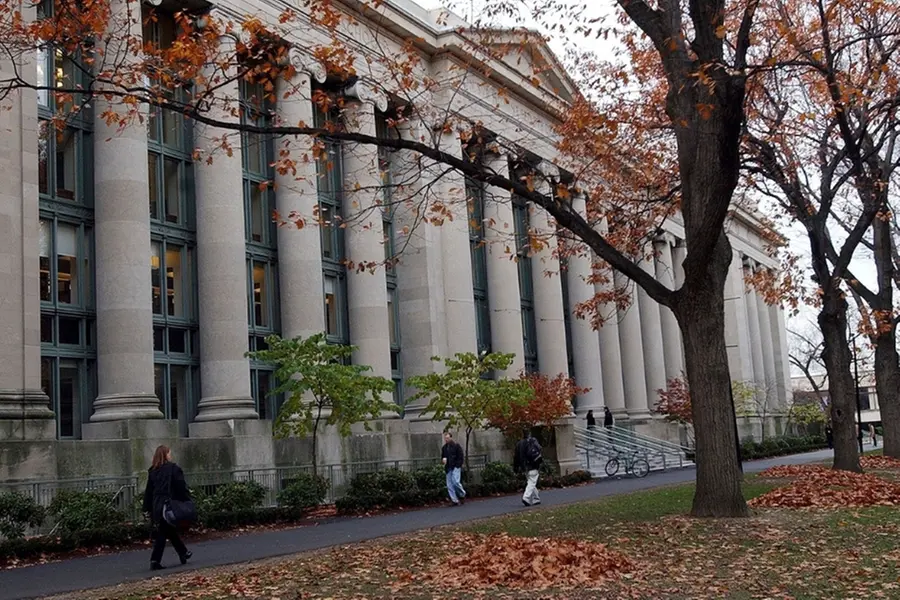
A report by The New York Times reveals that Harvard University received a letter on April 11 from the Trump administration’s antisemitism task force demanding sweeping changes to hiring, admissions, and curriculum. The university believed the demands were so extreme that it had no choice but to resist.
The letter came from Sean Keveney, acting general counsel at the Department of Health and Human Services and a task force member. Although the letter’s content was confirmed as authentic, the report says White House insiders differed on whether it had been authorised. Some claimed it was meant only for internal circulation among task force members.
Harvard’s leadership initially hoped to avoid a clash through ongoing dialogue with federal lawyers. But the unexpected arrival of the letter led the university to reject the demands publicly. Shortly after, the administration responded by freezing $2.2 billion in grants and threatening to revoke the school’s tax-exempt status.
Was the letter really unauthorised?
According to the New York Times, a Trump official later called Harvard to say the letter should not have been sent. However, the administration did not withdraw it. Officials involved gave conflicting accounts, and Columbia University reportedly received similar messages indicating the letter was “unauthorised”.
Despite Harvard’s strong pushback, a senior Trump adviser hinted that discussions could resume—if the university apologised and implemented changes.
Published: 19 Apr 2025, 10:41 am IST
Related Topics
Disclaimer: Kindly avoid objectionable, derogatory, unlawful and lewd comments, while responding to reports. Such comments are punishable under cyber laws. Please keep away from personal attacks. The opinions expressed here are the personal opinions of readers and not that of Mathrubhumi.
