
A coalition of 20 US states has moved court against the Trump administration, challenging a $100,000 fee imposed on new H-1B visa petitions, calling it unlawful and harmful to public services.
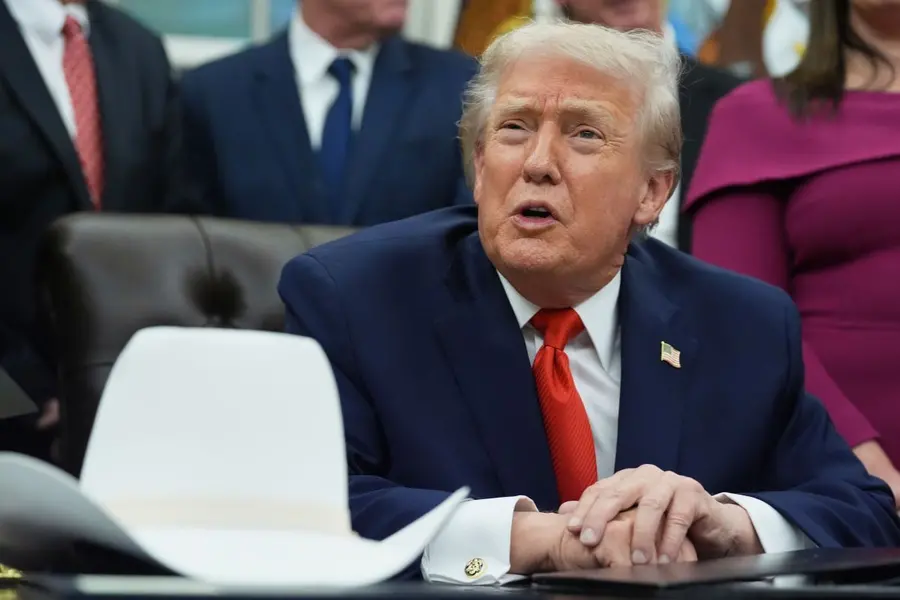
A coalition of 20 US states has filed a lawsuit against the Trump administration, challenging its decision to levy a steep $100,000 fee on new H-1B visa petitions, arguing that the move is unlawful and threatens the delivery of essential public services.
The legal challenge targets a policy introduced by the Department of Homeland Security (DHS) that dramatically raises the cost for employers seeking to hire skilled foreign professionals through the H-1B visa programme. Hospitals, universities, public schools, and research institutions across the United States extensively use the visa category.
California Attorney General Rob Bonta, who is leading the lawsuit, said the administration lacked the legal authority to impose such a fee. He warned that the measure would place severe financial strain on public employers and worsen labour shortages in critical sectors.
“California understands that attracting global talent strengthens our economy,” Bonta said, adding that the fee creates “illegal and unnecessary burdens” on institutions that provide vital public services.
The fee was ordered by President Donald Trump through a proclamation issued on September 19, 2025. DHS applied the policy to H-1B petitions submitted after September 21, granting the Secretary of Homeland Security broad discretion to decide which applications are subject to the fee or qualify for exemptions.
The states argue that the policy violates the Administrative Procedure Act and the US Constitution, as it bypasses mandatory rulemaking procedures and exceeds the authority granted by Congress. They point out that H-1B-related fees have traditionally been limited to covering administrative costs.
Currently, employers filing initial H-1B petitions pay between $960 and $7,595 in combined statutory and regulatory fees.
The attorneys general contend that the new fee would intensify staffing shortages in education and healthcare. During the 2024–25 academic year, nearly three-quarters of US school districts reported difficulties filling vacancies, particularly in special education, sciences, ESL, and foreign languages. Educators make up the third-largest group of H-1B visa holders.
Healthcare systems also rely heavily on the programme. In fiscal year 2024, close to 17,000 H-1B visas were issued for medical and health-related roles, roughly half of them to physicians and surgeons. The US is projected to face a shortage of 86,000 doctors by 2036.
The lawsuit was jointly filed by Bonta and Massachusetts Attorney General Andrea Joy Campbell, along with attorneys general from Arizona, Colorado, Connecticut, Delaware, Hawaii, Illinois, Maryland, Michigan, Minnesota, Nevada, North Carolina, New Jersey, New York, Oregon, Rhode Island, Vermont, Washington, and Wisconsin.
The H-1B programme remains a crucial entry route for skilled foreign professionals, including large numbers of Indian workers in technology, healthcare, and academic research.
Published: 13 Dec 2025, 07:26 am IST
Related Topics
Disclaimer: Kindly avoid objectionable, derogatory, unlawful and lewd comments, while responding to reports. Such comments are punishable under cyber laws. Please keep away from personal attacks. The opinions expressed here are the personal opinions of readers and not that of Mathrubhumi.
