
The talks were the sixth round of negotiations in a three-year process aimed at crafting the world’s first legally binding agreement on plastic pollution
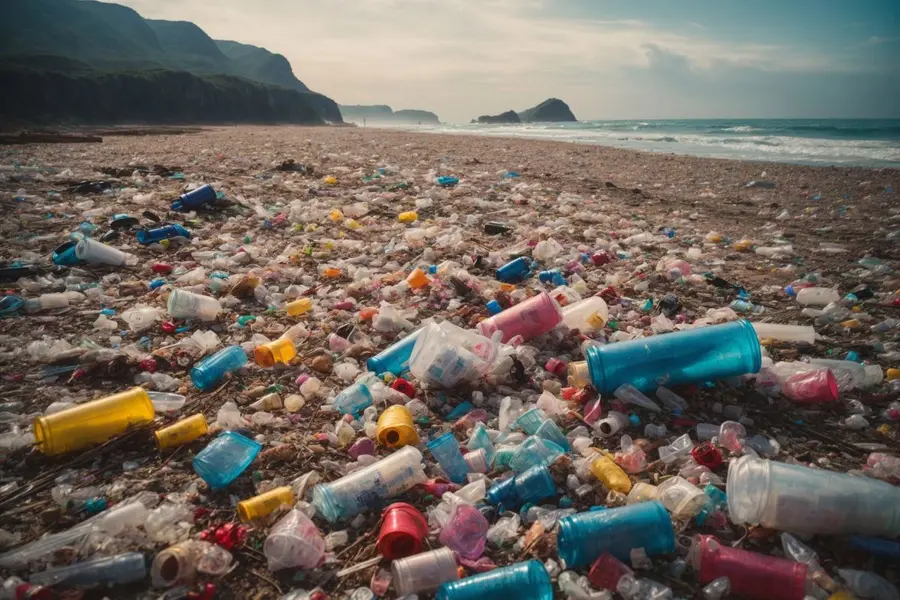
Geneva: Efforts to secure a landmark international treaty to combat plastic pollution collapsed on Friday, as negotiations between 185 countries failed to reach consensus despite running through the night and past the initial deadline.
The talks were the sixth round of negotiations in a three-year process aimed at crafting the world’s first legally binding agreement on plastic pollution. But divisions between countries advocating bold measures to curb plastic production and those prioritising waste management proved insurmountable.
Negotiators from the High Ambition Coalition -- including the European Union, the UK, Canada, and several African and Latin American nations -- pushed for commitments to reduce plastic production and phase out toxic chemicals used in plastics. However, they were met with resistance from the Like-Minded Group, made up largely of oil-producing countries such as Saudi Arabia, Russia, Iran, Kuwait, and Malaysia.
“Our views were not reflected… without an agreed scope, this process cannot remain on the right track and risks sliding down a slippery slope,” said Kuwait.
Bahrain also defended its position, stating it sought a treaty that “does not penalise developing countries for exploiting their own resources.”
The talks collapsed after a draft text circulated Wednesday by negotiations chair Luis Vayas Valdivieso failed to satisfy either side. The High Ambition Coalition found it too weak, while the Like-Minded Group said it breached red lines and lacked clear scope. A revised version emerged after midnight Thursday following intense consultations, but failed to bring agreement.
France's Ecological Transition Minister Agnes Pannier-Runacher expressed outrage at the outcome: “I am disappointed, and I am angry,” she said. “Oil-producing countries and their allies have chosen to look the other way... guided by short-term financial interests.”
Cuba called it a “missed historic opportunity,” but urged continued efforts: “We have to keep going and act urgently. The planet and present and future generations need this treaty.”
Colombia echoed the frustration: “The negotiations were consistently blocked by a small number of states who simply don't want an agreement.”
Small island nations, already bearing the brunt of plastic pollution, voiced particular dismay. Tuvalu, speaking for 14 Pacific island states, said, “For our islands, this means that without global cooperation and state action, millions of tonnes of plastic waste will continue to be dumped in our oceans, affecting our ecosystem, food security, livelihood and culture.”
While the talks ended in deadlock, some nations expressed hope that negotiations could resume. The European Union called the current draft a “good basis for a resumed session,” while South Africa insisted: “It cannot end here.”
The Geneva summit followed the collapse of what was supposed to be the final round of talks in South Korea last year. Despite the urgency, with over 400 million tonnes of plastic produced annually and microplastics found virtually everywhere -- including inside human organs, the road to a global plastics treaty remains fraught.
According to the OECD, on current trajectories, fossil-fuel-based plastic production is projected to nearly triple by 2060, reaching 1.2 billion tonnes, while annual plastic waste will exceed one billion tonnes.
Published: 15 Aug 2025, 01:47 pm IST
Related Topics
Disclaimer: Kindly avoid objectionable, derogatory, unlawful and lewd comments, while responding to reports. Such comments are punishable under cyber laws. Please keep away from personal attacks. The opinions expressed here are the personal opinions of readers and not that of Mathrubhumi.
