
While recycling remains essential in managing plastic pollution, it is far from a complete solution
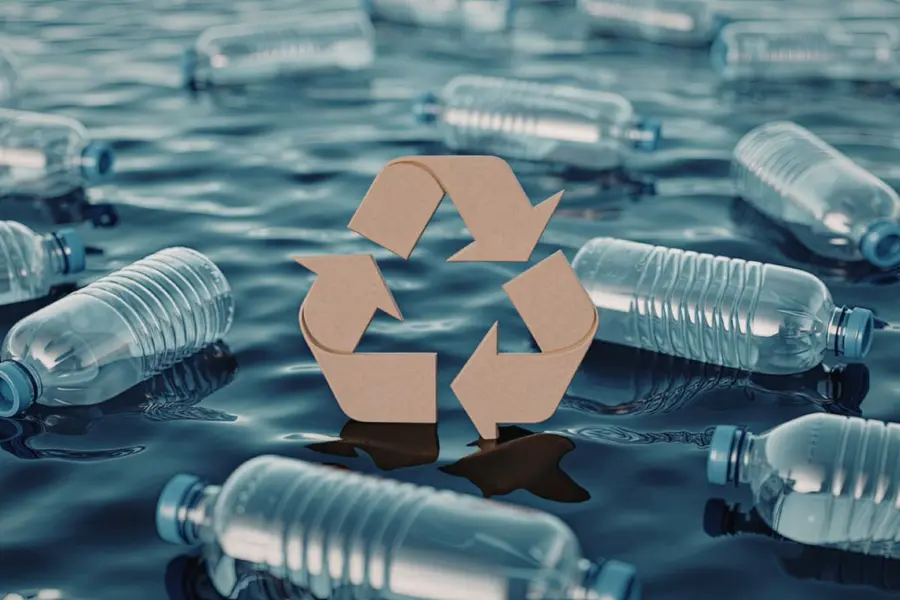
Despite growing awareness and household efforts to separate plastics for recycling, experts warn that the system is failing on an industrial scale, with only a fraction of plastic waste actually being reused.
In Europe, around 15 per cent of plastics are recycled, while in the United States the figure drops to just 9 per cent. The remainder ends up in incinerators, landfills, or, in the worst cases, the natural environment.
The problem begins before the recycling bin. Around half of all plastics are used for single-use products, including packaging, bags, containers, and agricultural sheeting. Long-lasting applications such as pipes, cables, and building materials make up around 20–25 per cent, while consumer goods with intermediate lifespans – from vehicles to electronics – account for the rest.
ALSO READ | Are black plastic food containers safe? What you need to know
Post-consumer plastic waste in the EU reached 24.6 million tonnes in 2007 and has only grown since. Packaging remains the primary source, but electrical and automotive waste are increasingly significant contributors.
Experts identify multiple interlinked reasons why recycling is failing:
Inefficient recycling plants – Processes such as cleaning produce microplastics, generating waste even within the system.
High costs of recycled plastic – Virgin plastic remains cheaper, and without incentives or taxation, the market favours the cheapest option.
Low quality – Polymers degrade with reuse, limiting applications. Improved sorting and regranulation are needed.
Inefficient collection – Poor bin placement, logistics, and incentives reduce recycling rates.
Precarious workforces – Low pay and lack of recognition affect efficiency in sorting and processing.
Exposure to harmful chemicals – Workers handling plastics face significant health risks.
Exporting waste – Richer nations often send plastic to countries with weaker environmental controls, creating cross-border problems.
Incompatible plastics – Mixing polymers reduces recyclability; accurate sorting is critical.
Generic policies – One-size-fits-all rules fail to match local infrastructures and habits.
Unrecyclable products – Multi-layer packaging, adhesives, and black plastics often cannot be recycled effectively.
Over-reliance on individuals – Consumer efforts help, but the system cannot rely solely on proper separation at home.
Not all waste gets recycled – Contaminants like food scraps, moisture, or mixed materials reduce plant efficiency.
Experts compare industrial recycling to cooking: just as making an omelette produces peelings and shells, recycling inevitably generates some waste.
ALSO READ | Plastic-eating diet and viral weight hacks: Why extreme trends aren’t the answer
While recycling remains essential in managing plastic pollution, it is far from a complete solution. A broader approach – including reduction, reuse, eco-design, and circular economy principles – is required.
Published: 25 Feb 2026, 03:47 pm IST
Related Topics
Disclaimer: Kindly avoid objectionable, derogatory, unlawful and lewd comments, while responding to reports. Such comments are punishable under cyber laws. Please keep away from personal attacks. The opinions expressed here are the personal opinions of readers and not that of Mathrubhumi.
