
A surge in covert maritime activity in the Strait of Hormuz has raised fresh concerns as Iran-linked vessels reportedly use stealth tactics to test the limits of a US naval blockade.
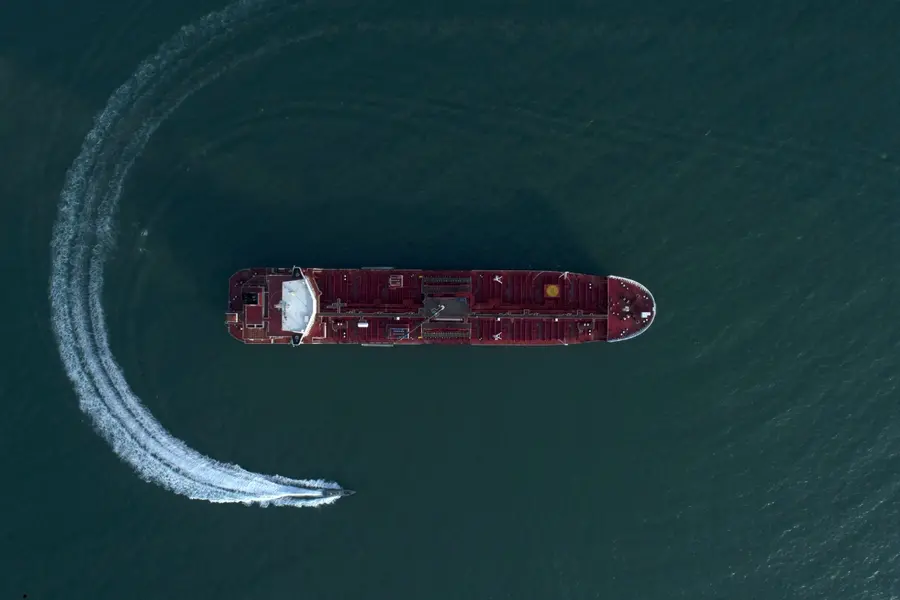
Tehran: A surge in covert maritime activity is being reported in the Strait of Hormuz, with intelligence analysts warning that Iran-linked vessels are increasingly using stealth and deception tactics to navigate around a tightened US naval presence in the region.
Maritime monitoring firms say the situation marks a shift in shipping patterns over recent weeks, with more vessels appearing to deliberately obscure their movements in one of the world’s most strategically important waterways.
Also Read

Ships switching off trackers and altering digital identities
Experts tracking global shipping movements report a rising number of vessels “going dark” by disabling Automatic Identification System (AIS) transponders, which are required to broadcast real-time location data.
In some cases, ships are also believed to be engaging in “spoofing”, where vessels manipulate or falsify their digital signatures. This can make one ship appear as another or distort its actual route, creating confusion in tracking systems used by maritime authorities and commercial monitoring platforms.
These tactics make it significantly harder to verify cargo movements, ownership details, and destination points.
“Shadow fleet” behaviour linked to sanctions evasion patterns
Analysts say the methods resemble strategies used by so-called “shadow fleets” seen in other global conflicts, where ageing or re-flagged vessels operate under unclear ownership structures to bypass sanctions or restrictions.
According to maritime intelligence observers, the growing use of such techniques suggests operators are actively testing how far enforcement systems can be stretched under current conditions.
The pattern is being closely monitored as it could indicate a more organised attempt to maintain trade flows while avoiding detection.
US naval presence and enforcement challenges
The United States has maintained an increased naval presence across the Gulf and nearby waters, focusing on monitoring commercial traffic and identifying suspicious vessel behaviour.
Reports suggest that several merchant vessels have already been intercepted or redirected for inspection, particularly those showing irregular tracking data or inconsistent routing patterns.
However, experts caution that enforcement remains complex due to the scale of global shipping and the difficulty of confirming vessel identity when digital signals are intentionally manipulated.
Why the Strait of Hormuz is critical
The Strait of Hormuz is one of the world’s most important energy transit chokepoints, connecting major oil and gas producers in the Gulf with international markets.
Even minor disruptions or uncertainty in traffic monitoring can have ripple effects on global energy prices, shipping insurance costs, and supply chain stability.
Because of its narrow geography, the waterway is heavily monitored, but its high traffic volume still creates opportunities for concealment tactics.
Intelligence reports highlight evolving tactics
Recent maritime intelligence assessments suggest that operators are increasingly using a combination of:
- AIS shutdowns (“going dark”)
- Identity spoofing and false vessel data
- Route manipulation through crowded shipping corridors
- Use of re-flagged or previously sanctioned vessels
These tactics make the Strait of Hormuz not only a physical chokepoint but also an “information battleground”, where visibility and tracking accuracy are becoming as important as naval control.
Enforcement remains active but complex
Despite these developments, officials say enforcement remains ongoing, with continuous monitoring of high-risk vessels and coordinated actions against suspicious maritime behaviour.
However, analysts note that the effectiveness of any blockade or surveillance effort depends heavily on real-time intelligence and accurate vessel identification, both of which are challenged by modern evasion techniques.
While no confirmed large-scale breach of enforcement has been reported, the rise of stealth maritime activity highlights growing pressure on surveillance systems in the Gulf region. The situation underscores an evolving maritime contest where detection, deception, and enforcement are increasingly intertwined.
Published: 15 Apr 2026, 09:42 pm IST
Related Topics
Disclaimer: Kindly avoid objectionable, derogatory, unlawful and lewd comments, while responding to reports. Such comments are punishable under cyber laws. Please keep away from personal attacks. The opinions expressed here are the personal opinions of readers and not that of Mathrubhumi.