
The US, under Trump, claimed to have ‘obliterated’ facilities, but uncertainty remains about the location of Iran's enriched uranium
Tel Aviv: Tensions between Iran and Israel reached a dangerous peak when, on 13 June, Israel launched a series of strikes on Iranian nuclear facilities. The attack reportedly killed top Iranian military commanders and marked the worst threat to the Islamic Republic since the Iran-Iraq war of the 1980s.
Israel claimed the strikes, named Operation Rising Lion, were necessary to halt Iran's progress towards developing nuclear weapons.
In response, Iran fired retaliatory missiles at Israeli territory. The situation escalated further when former US President Donald Trump ordered American military action on 21 June, targeting key Iranian nuclear facilities.
What did the US target and why?
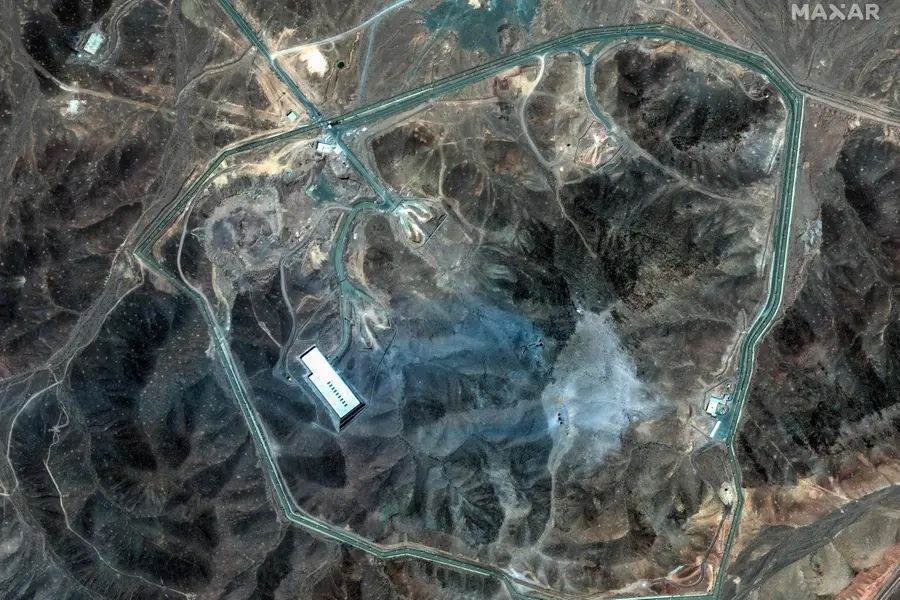
The US military, under Trump’s direction, launched air strikes on three of Iran’s major uranium enrichment facilities, Fordow, Isfahan, and Natanz, using bunker buster bombs dropped by B-2 bombers.
Trump claimed that the attacks had “completely and totally obliterated” the facilities. One of the sites targeted was believed to be buried deep within a mountain, a location previously considered difficult to destroy with conventional weapons.
Iran’s response: Nuclear programme not over
Despite the severity of the strikes, Iran's leadership made it clear that their nuclear ambitions were far from over.
A close aide to Iran’s Supreme Leader, Ayatollah Ali Khamenei, stated:
"The game is not over", implying that Iran still holds the capacity to pursue its nuclear programme.
Iran’s Atomic Energy Organisation chief, Mohammad Eslami, confirmed in a statement broadcast on state television that Iran had “taken the necessary measures” to continue its nuclear activities following the US and Israeli strikes.
"We have taken the necessary measures and are taking stock of the damage", and noted that “Plans for restarting (the facilities) have been prepared in advance, and our strategy is to ensure that production and services are not disrupted,” Eslami added.
Where is Iran’s Uranium? Global concern grows
Amid global speculation over the fate of Iran's uranium reserves, questions remain about the location of approximately 400 kg of highly enriched uranium that Iran was believed to possess before the attacks.
When asked about this, US Vice President JD Vance made notable remarks in interviews with American media.
In an interview with ABC News, Vance said: The administration “would work in the coming weeks to do something about the fuel and would have conversations with the Iranians.”
He also told Fox News: “Our goal was to bury the uranium, and I do think the uranium is buried…”
He added that the US intended not only to hide the uranium but to destroy Iran’s ability to convert enriched fuel into a nuclear weapon.
These comments were widely seen as a tacit admission that the uranium might still be with Iran, either undiscovered or protected underground.
Published: 24 Jun 2025, 09:14 pm IST
Disclaimer: Kindly avoid objectionable, derogatory, unlawful and lewd comments, while responding to reports. Such comments are punishable under cyber laws. Please keep away from personal attacks. The opinions expressed here are the personal opinions of readers and not that of Mathrubhumi.
