
Fusarium graminearum, the fungus at the centre of a US-China biosecurity row
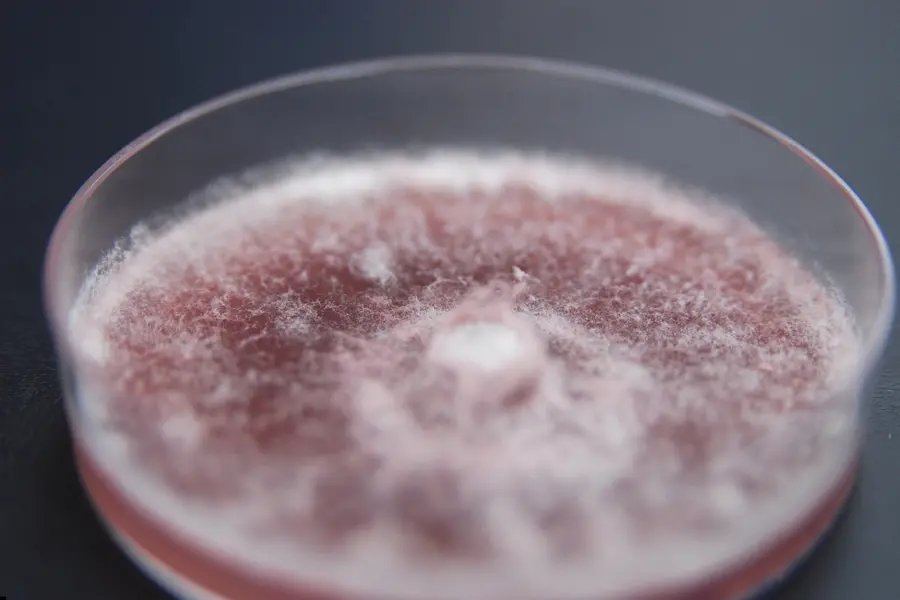
Two Chinese nationals have been charged in the United States for allegedly smuggling a dangerous agricultural pathogen, Fusarium graminearum, into the country, potentially threatening US food security.
The US Department of Justice (DOJ) has identified the accused as Yunqing Jian, 33, and her boyfriend Zunyong Liu, 34. Charges include conspiracy, smuggling, false statements, and visa fraud.
According to the DOJ, Jian received financial backing from the Chinese government for her research on Fusarium graminearum in China and was found to have links to the Chinese Communist Party. She later admitted to bringing the pathogen into the country via Detroit Metropolitan Airport for research at the University of Michigan, where she was employed. Liu, who is affiliated with a Chinese university, also studies the same pathogen.
Fusarium graminearum is a well-known fungal pathogen that causes Fusarium head blight in cereals such as wheat and barley, and stalk and ear rot in maize. It thrives in warm, humid climates and is prevalent in the US, Canada, China, and parts of Europe. The fungus can lead to severe crop losses and reduced grain quality, affecting food supply chains and causing billions in global economic damage.
The fungus infects plants through natural openings like stomata and wounds. It spreads systemically by releasing enzymes that degrade plant cell walls and evade plant defences. One of its key toxins, deoxynivalenol (DON), disrupts protein synthesis in plant cells, contributing to cell death and facilitating fungal colonisation. The infected grains often show signs such as chalky white, shrivelled kernels or reddish-pink mould on maize.
Fusarium graminearum is also considered a potential agent of agroterrorism due to its ability to devastate staple food crops. It produces mycotoxins harmful to both humans and animals, causing vomiting, liver damage, and reproductive disorders.
The US authorities are treating this incident as a serious breach, citing national security and bio-risk concerns. The accused remain under investigation, and the case underscores the growing fears around biothreats in the context of global agricultural stability.
Published: 04 Jun 2025, 12:05 pm IST
Related Topics
Disclaimer: Kindly avoid objectionable, derogatory, unlawful and lewd comments, while responding to reports. Such comments are punishable under cyber laws. Please keep away from personal attacks. The opinions expressed here are the personal opinions of readers and not that of Mathrubhumi.
