
Discover the impact of the drone attack on the Port of Fujairah and its significance as a global oil lifeline. Read our full analysis on regional energy security.
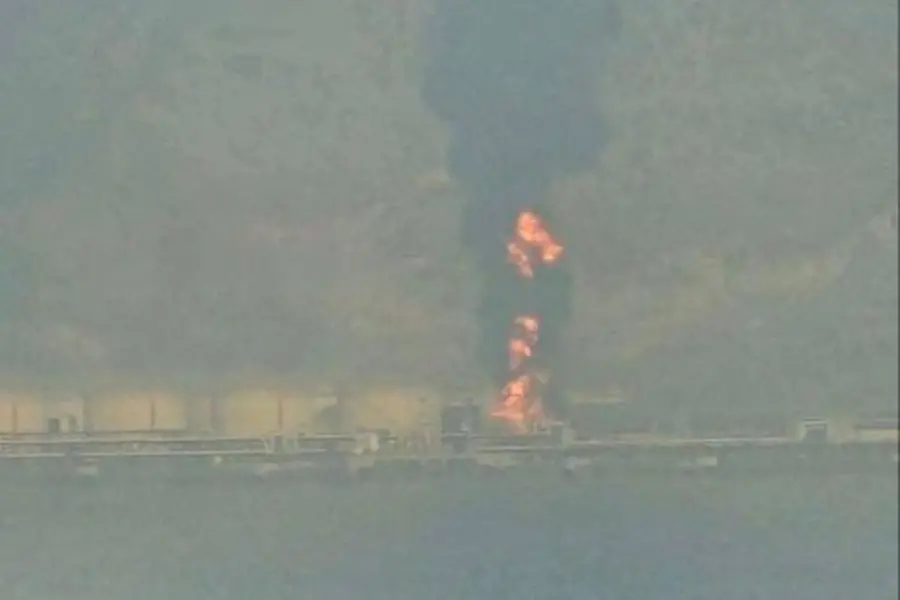
Fujairah: Plumes of thick black smoke rose over the strategic Port of Fujairah on Saturday morning, marking the latest escalation in the ongoing regional energy war. The incident occurred just hours after US President Donald Trump announced a massive "obliteration" of military targets on Iran’s Kharg Island, the primary hub for Tehran’s oil exports.
While the conflict has paralyzed major shipping lanes, the strike on Fujairah highlights the extreme vulnerability of the Gulf's critical energy "exit ramps" located outside the volatile Strait of Hormuz.
Local authorities in Fujairah confirmed that air defense systems successfully intercepted hostile drones targeting the industrial zone. However, the victory came with a cost: falling debris from the destroyed unmanned aerial vehicles (UAVs) ignited a fire at a major petroleum storage facility. No injuries were reported.
The strike on the UAE followed a dramatic military move by the United States. Late Friday, President Trump shared declassified footage showing US Central Command (CENTCOM) raids on Kharg Island.
"We have totally obliterated every MILITARY target in Iran's crown jewel," Trump posted on social media.
While Trump noted he chose to spare Iran's oil infrastructure "for reasons of decency," he issued a clear ultimatum: if the Strait of Hormuz remains blocked, those oil facilities will be the next targets. Iranian state media responded by claiming their energy infrastructure remained intact, though they warned of "crushing retaliation" against any regional state hosting US assets.
The war, which began on February 28, 2026, has seen Iran systematically target the energy lifelines of its neighbours. Over the past two weeks, several major installations have come under fire.
With the Strait of Hormuz effectively at a standstill, choking off 20% of the world’s oil and LNG supply, global prices have surged past $100 per barrel.
Published: 14 Mar 2026, 01:28 pm IST
Disclaimer: Kindly avoid objectionable, derogatory, unlawful and lewd comments, while responding to reports. Such comments are punishable under cyber laws. Please keep away from personal attacks. The opinions expressed here are the personal opinions of readers and not that of Mathrubhumi.
