
French yoga teacher Camilo Castro describes torture, squalid cells and abuse in Venezuelan prisons after being accused of spying.
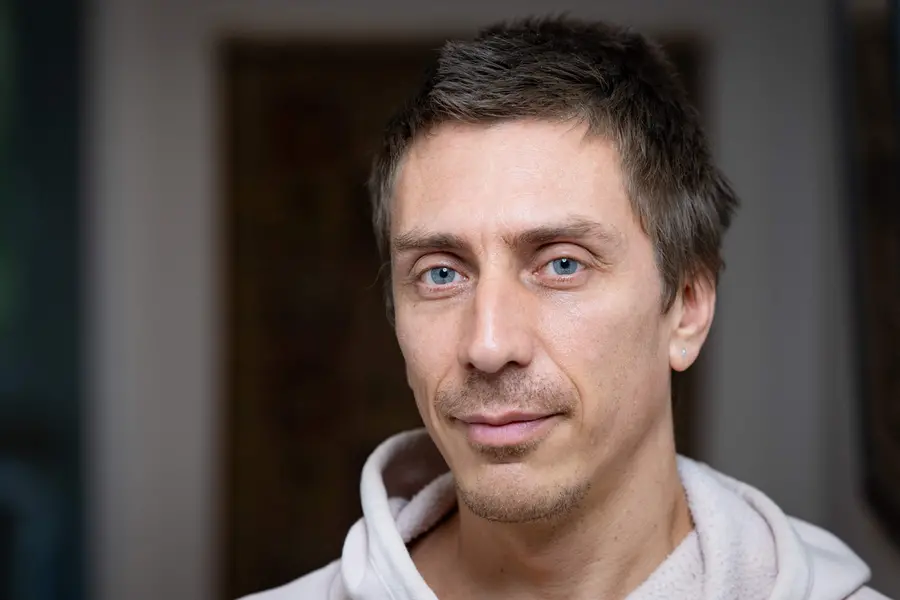
Caracas: A French yoga teacher has described enduring horrific conditions and torture while imprisoned in Venezuela on suspicion of being a US spy, recounting how guards subjected him to degrading treatment in blood- and feces-stained cells.
Camilo Castro, 41, who has Chilean roots, was detained on June 26, 2025, after crossing into Venezuela from neighbouring Colombia, where he lived. His plan had been to renew his Colombian visa by briefly exiting and re-entering the country.
Masked agents from Venezuela’s intelligence services seized Castro and took him to an underground detention facility in the oil city of Maracaibo. His account provides a rare insight into the suffering endured by hundreds of dissidents under decades of political repression by Hugo Chavez and his successor Nicolas Maduro.
“They left me there all night, with damp walls and toilets in a deplorable state with hundreds of cockroaches and fecal matter that has built up over months,” Castro said. Scanning the cell, he noticed “several traces of blood on the walls” and a table “with different torture instruments.”
Interrogation and accusations
The following day, a military intelligence officer interrogated Castro, dismissing his explanation that he was a yoga teacher building a life in Colombia. “He told me I was a spy and would spend several years in prison and that he had ways of 'opening me up' – that that was his job,” Castro recounted.
From Maracaibo, Castro was moved to Caracas, first to a military intelligence detention centre and then to Rodeo 1 prison east of the capital, where dozens of political prisoners, including several foreigners, were held.
While initially relieved to be separated from criminal inmates, Castro described the conditions as grim. Food was scarce, prisoners frequently fell ill, and they had access to water only twice a day. “We had constant diarrhea, throat and lung infections. We had no real toilets and got water just twice a day,” he said.
Prisoners were subjected to loud propaganda for hours on end, sometimes folk music played at extreme volumes. Interrogations and torture sessions continued late into the night. “They made us come out in a line, hooded and cuffed, and insulted us,” Castro said. Inmates faced mock trials and repeated polygraph tests under suspicion of being agents of the CIA or the US Drug Enforcement Agency.
Torture and abuse
Castro described prisoners being sent to torture cells where they were beaten, “suffocated with teargas” or had plastic bags sprayed with insecticide tied over their heads. Some were forcibly intubated, while others were sodomised with tubes. “Soldiers and (prison) directors took part in these torture sessions with a certain relish,” he said.
Castro himself avoided the worst of these methods. He considered challenging the lack of access to books from French consular services but was advised by a fellow inmate: “They will torture you. Within a minute they will have destroyed your body and within five they will have destroyed your life. Forget the books, you'll read them some day in the future.”
Release and diplomatic efforts
After months of diplomatic negotiations involving France, with assistance from Brazil and Mexico, Castro was freed in late November and flown home to Paris, where his mother had anxiously awaited his return. He now hopes to be officially recognised as a victim by the French state and is sharing his story to draw attention to the hundreds of political prisoners still held in Venezuela.
Despite his ordeal, Castro said he feels “inextricably tied” to the country and hopes to return one day. (AFP)
Published: 11 Feb 2026, 08:04 am IST
Disclaimer: Kindly avoid objectionable, derogatory, unlawful and lewd comments, while responding to reports. Such comments are punishable under cyber laws. Please keep away from personal attacks. The opinions expressed here are the personal opinions of readers and not that of Mathrubhumi.
