
Myanmar releases 4,335 prisoners in a New Year amnesty, but thousands jailed since the 2021 coup remain excluded.
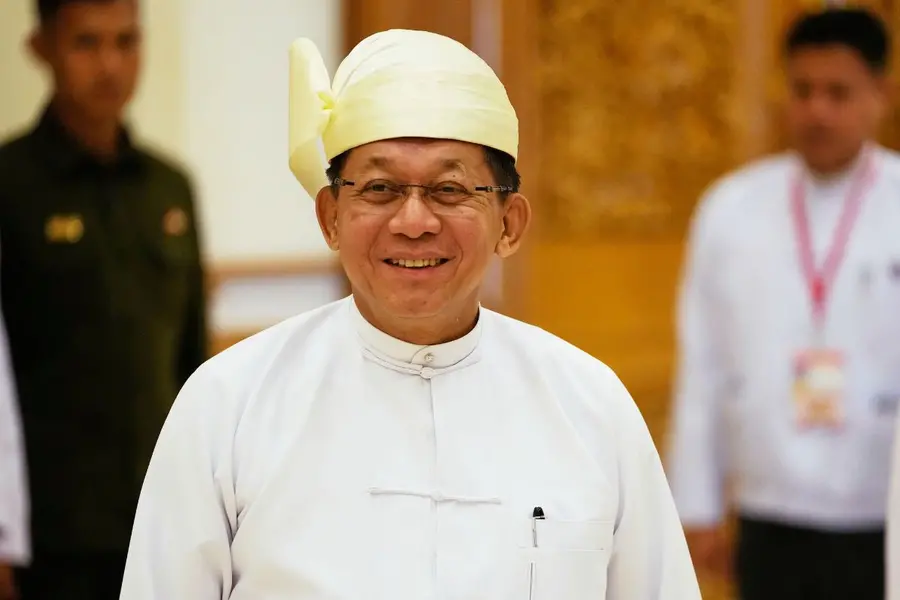
Yangon: In a move that appears as much political as humanitarian, Myanmar’s military-backed government has ordered the release of 4,335 prisoners under a nationwide amnesty, its third such exercise in just six months, raising fresh questions about intent, timing, and who remains behind bars.
The decision, approved by President Min Aung Hlaing and announced via state-run MRTV, comes as the country marks its traditional New Year, an occasion historically linked with acts of clemency.
However, this year’s release unfolds against the backdrop of a prolonged civil conflict and sustained international scrutiny.
While authorities did not disclose the identities of those freed, officials confirmed that 179 foreign nationals are among those being released and will be deported.
The amnesty also includes significant sentence reductions, death penalties commuted to life imprisonment, life sentences cut to 40 years, and other terms reduced by one-sixth.
Yet, the broader picture tells a more complex story. According to the Assistance Association for Political Prisoners, more than 30,000 individuals have been detained on political charges since the military coup in 2021, a sweeping crackdown that dismantled Myanmar’s fragile democratic framework.
Many of those detained remain some of the country’s most prominent political figures, including former leader Aung San Suu Kyi and ex-President Win Myint.
Suu Kyi, now 80, is serving a 27-year sentence on multiple charges her supporters have consistently described as politically motivated. She has not been seen in public since her trials concluded, and her current condition remains largely unknown.
The mass release follows earlier amnesties in November and January, which together saw over 14,000 prisoners freed.
Critics, however, argue that such moves function less as genuine reconciliation and more as calculated gestures, aimed at easing international pressure while maintaining firm control at home.
The timing is also significant. Just weeks ago, Min Aung Hlaing formally consolidated his authority by assuming the presidency, reinforcing military dominance in a nation still fractured by violence.
According to UN estimates, the ongoing conflict has displaced more than 3.5 million people, deepening one of Southeast Asia’s most severe humanitarian crises.
Even as thousands walk free, the central question persists: who remains imprisoned, and why?
For many observers, Myanmar’s latest amnesty underscores a stark contradiction, a gesture of release in a country where dissent continues to be tightly confined.
Published: 17 Apr 2026, 10:24 am IST
Related Topics
Disclaimer: Kindly avoid objectionable, derogatory, unlawful and lewd comments, while responding to reports. Such comments are punishable under cyber laws. Please keep away from personal attacks. The opinions expressed here are the personal opinions of readers and not that of Mathrubhumi.
