
Trump has granted a temporary ceasefire extension following a request from Pakistan’s Prime Minister to facilitate peace talks.
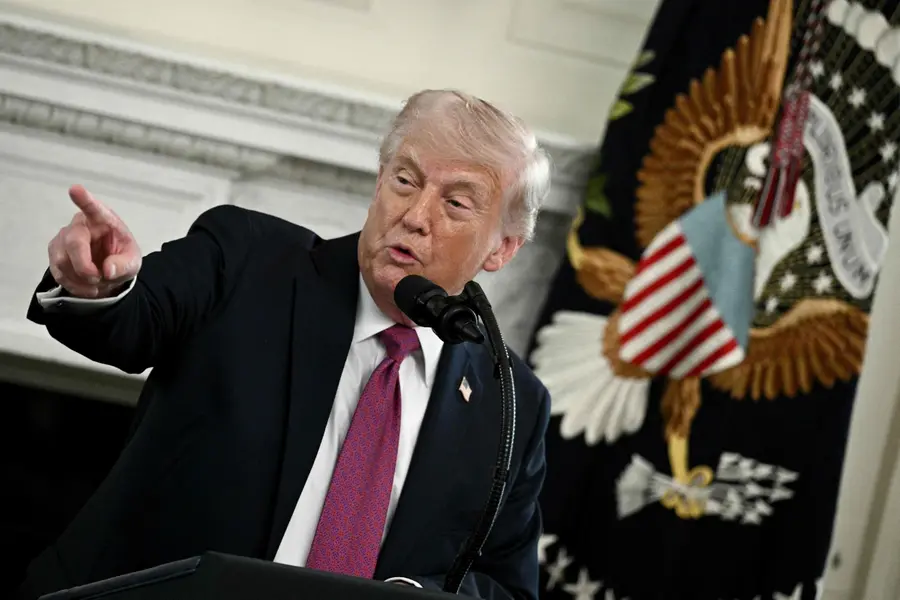
Washington: US President Donald Trump issued a blistering ultimatum to Tehran on Tuesday, asserting that his administration has successfully established a total blockade of the Strait of Hormuz while simultaneously granting a precarious extension of the regional ceasefire at the behest of Pakistan.
In a typical social media statement, the president dismissed Iran’s recent threats to shutter the strategic waterway, arguing that the U.S. Navy has already achieved what Tehran only claims it intends to do.
The "Total Blockade"
In a post to his Truth Social platform, President Trump claimed that the Iranian economy is currently losing $500 million daily as a direct result of the U.S. naval interdiction. He characterised Iranian rhetoric regarding the closure of the Strait of Hormuz as a public relations manoeuvre designed to "save face," maintaining that the passage is already under absolute American control.
"They only say they want it closed because I have it totally BLOCKADED (CLOSED!)," Trump wrote. "People approached me four days ago, saying, ‘Sir, Iran wants to open up the Strait, immediately.’"
The president emphasised that the blockade would persist until a comprehensive and permanent agreement is finalised. He concluded with a severe military warning, stating, "If we [open it], there can never be a Deal with Iran, unless we blow up the rest of their Country, their leaders included!"
A Conditional Ceasefire Extension
The aggressive rhetoric surfaces during a period of acute diplomatic friction. Trump confirmed on Tuesday (Wednesday IST) that he would extend the current ceasefire—which was slated to expire on Wednesday—following a direct request from Pakistani Prime Minister Shehbaz Sharif.
The extension is reportedly intended to allow Tehran the opportunity to formulate a "unified proposal" for peace. However, the diplomatic process faced immediate setbacks:
- Vance Trip Deferred: The White House has suspended Vice President JD Vance’s scheduled mission to Islamabad.
- Negotiation Stagnation: Sources suggest the trip was postponed because Iran has "balked" at additional dialogue and has not yet responded to the most recent American negotiating stance.
- Continued Interdiction: The U.S. military confirmed it will maintain its "neutral" blockade of all ships entering or departing Iranian ports, irrespective of the pause in kinetic hostilities.
Naval Superiority in the Gulf
The U.S. naval blockade, initiated on April 13, 2026, has reportedly paralysed over 90% of Iran’s maritime commerce. U.S. Central Command (CENTCOM) reports that the Navy has intercepted several vessels, including an Iranian-flagged cargo ship seized earlier this week following a six-hour standoff.
While Pakistan continues its efforts to facilitate a negotiated resolution, the White House has signalled that the U.S. delegation—including Vance and senior advisor Jared Kushner—remains prepared to travel to Islamabad "at a moment's notice." Such a move, however, remains contingent upon Tehran demonstrating a genuine willingness to negotiate.
For the time being, the Strait of Hormuz remains a strictly monitored corridor. The president’s position remains firm: maritime trade will not resume until Iran yields to U.S. demands.
Published: 22 Apr 2026, 07:00 am IST
Disclaimer: Kindly avoid objectionable, derogatory, unlawful and lewd comments, while responding to reports. Such comments are punishable under cyber laws. Please keep away from personal attacks. The opinions expressed here are the personal opinions of readers and not that of Mathrubhumi.
