
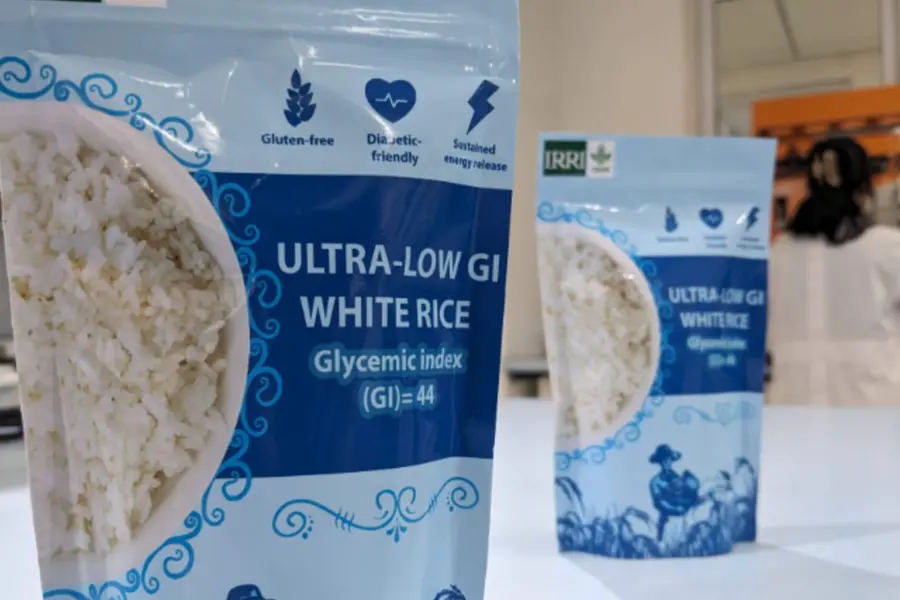
A groundbreaking development by scientists at the International Rice Research Institute (IRRI) in the Philippines has introduced a new rice variety that could help mitigate the growing global diabetes crisis. This innovative rice type, created through extensive genetic research, boasts a lower glycaemic index (GI) and higher protein content, offering a healthier option for millions of people, particularly in rice-dependent regions.
With over 537 million people worldwide living with diabetes, a number expected to surge to 783 million by 2045, researchers are seeking dietary interventions to combat the rise of type 2 diabetes. This form of diabetes, primarily caused by a combination of genetic factors, being overweight, and a lack of exercise, results from insufficient insulin production and the body's resistance to insulin, leading to elevated blood sugar levels.
Dr. Lindsey Smith Taillie, a nutritional epidemiologist from the University of North Carolina, highlighted the global concern: Diabetes prevalence is rising, particularly in low- and middle-income countries, including those in Asia where rice consumption is high. She emphasized that Asia is home to over 60% of people living with diabetes, with the region also accounting for more than 90% of the world's rice production and consumption. The high glycaemic index of white rice has long been linked to increased risks of diabetes and heart disease.
Over the past decade, scientists at the IRRI, in collaboration with institutions such as the University of California, Davis, the Max Planck Institute in Germany, and the Center of Plant Systems Biology in Bulgaria, have been researching ways to create a healthier rice variety. By screening 380 seed samples from the IRRI’s extensive gene bank, they identified genes and markers that result in a rice strain with a significantly lower GI and higher protein content. This led to the creation of new "inbred lines" of rice that offer a healthier alternative for those at risk of diabetes.
The newly developed rice has shown a glycaemic index below 45%, making it an "ultra-low" GI food, and boasts a protein content of nearly 16%, double that of traditional rice varieties. This unique combination is expected to aid in controlling blood sugar levels, as higher protein content slows digestion and glucose absorption. Moreover, the rice lines produced yields comparable to existing high-yielding varieties, making them a viable solution for large-scale production.
Rice is a staple for a large portion of the global population, and this new variety could address both nutritional and health concerns, particularly in low- and middle-income countries where diabetes is prevalent.
Although the rice has yet to be cultivated outside of IRRI's laboratories, plans are underway to begin growing these new varieties in India and the Philippines. The IRRI has previously led the development of "golden rice" to combat vitamin A deficiency, demonstrating its commitment to addressing global nutritional challenges.
Published: 27 Sept 2024, 01:06 pm IST
Related Topics
Disclaimer: Kindly avoid objectionable, derogatory, unlawful and lewd comments, while responding to reports. Such comments are punishable under cyber laws. Please keep away from personal attacks. The opinions expressed here are the personal opinions of readers and not that of Mathrubhumi.
