
That leftover pasta in your fridge may look perfectly fine but do you know when reheating it could become risky.
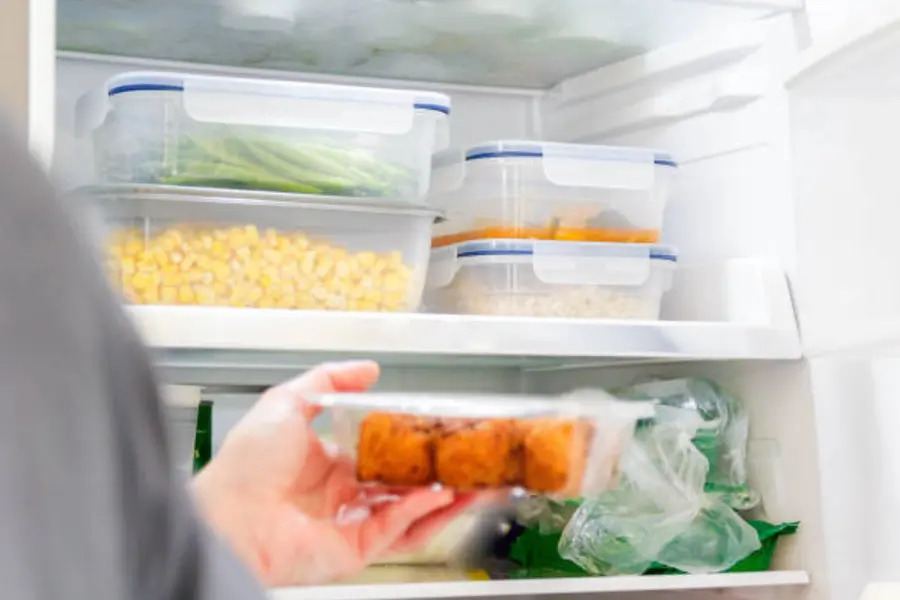
Leftovers make life easier. They cut down on waste, solve the "what's for dinner" problem on busy nights, and in some cases stews, curries, and lasagna taste better the next day, once the flavors have had time to settle. But that convenience only holds up if the food is stored and reheated the right way. Handle it carelessly, and a meal can turn into a stomach ache.
Why reheated food turns risky
The danger is about what happens to food before it gets reheated. Bacteria multiply fastest in what food safety experts call the "danger zone," the range between roughly 40°F and 140°F (about 4°C to 60°C).
The longer a dish in that window, cooling on the counter, waiting in a container, sitting halfway warmed, the more room bacteria have to grow. Some strains can double in number in as little as 20 minutes.
This is also why cross-contamination matters long before food ever reaches the fridge. Dirty utensils, unwashed hands, or contact with raw meat can introduce bacteria that cause problems.
Also Read: Easy kitchen hacks to keep herbs fresh for up to 10 days without refrigeration
What reheating can (and can't) fix
Bringing food back up to a proper temperature kills most active bacteria, which is why reheating is treated as a safety step. The benchmark most food safety authorities point to is 165°F (about 74°C), held for a couple of minutes, with no cool spots in the middle.
What reheating can't do is undo damage that's already been done. Certain bacteria, including Bacillus cereus, commonly associated with rice, and Clostridium perfringens, linked to meat dishes can produce heat-resistant spores or toxins that survive normal reheating temperatures.
In other words, if a dish sat out too long or was reheated one time too many, warming it up again won't make it safe.
That's the reasoning behind the common advice to reheat leftovers only once, every extra round of heating and cooling gives bacteria another opportunity before the food is fully sterilized again.
The better habit: portion, don't repeat
Return the extra to the fridge, only reheat what you're actually going to eat. If you're still hungry afterward, warm up more but avoid a cycle of heating a big pot, cooling it, then reheating it again later.
Splitting meals into portions before refrigerating is the simplest way to sidestep this altogether, since each portion then only needs to be reheated once.
Also Read: The heart-healthy food combo you may want to eat every day
Foods that deserve extra caution
Most cooked food can be reheated safely if it's handled well, but a few categories are worth watching more closely:
- Rice is prone to Bacillus cereus, which can survive cooking. It's safest eaten straight from the fridge cold or reheated until steaming hot, never left at room temperature.
- Meat and chicken should be checked at their thickest point to make sure there's no pink or red remaining, and should be steaming all the way through.
- Takeaway food carries a bit more uncertainty, since you don't always know how or when it was originally cooked, or whether any part of it was already reheated once.
Timing and storage
Cool leftovers as quickly as possible after cooking and get them into the fridge, placing hot food in the fridge won't harm anything else stored there.
Most guidance agrees that leftovers are best eaten within two to four days; beyond that window, it's safer to freeze or discard them. If you do freeze food, plan to eat it within about a day of thawing.
Leftovers aren't dangerous by nature, poor handling is what causes problems. And when something smells off, looks slimy, or you're simply unsure how long it's been sitting, when in doubt, throw it out.
Published: 22 Aug 2026, 12:51 pm IST
ABOUT THE AUTHOR

Related Topics
Disclaimer: Kindly avoid objectionable, derogatory, unlawful and lewd comments, while responding to reports. Such comments are punishable under cyber laws. Please keep away from personal attacks. The opinions expressed here are the personal opinions of readers and not that of Mathrubhumi.