
A new poll shows most Americans are tired of switching time twice a year, even if it means an extra hour of sleep. Here’s why the nation’s eternal daylight-saving debate refuses to die.
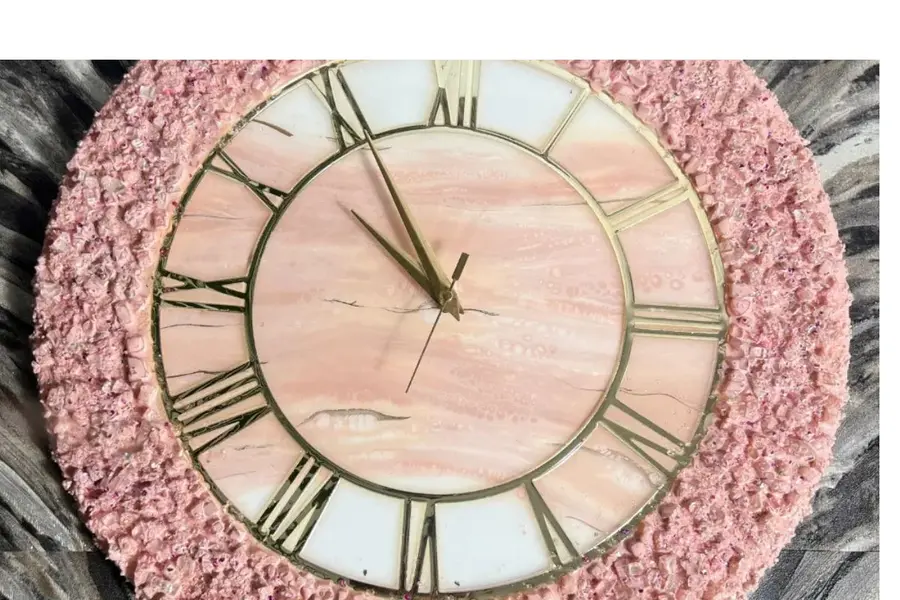
Yes, you’ll get an extra hour of sleep this weekend. But even that small gift can’t save what might be one of America’s most universally dreaded weekends: the end of daylight saving time.
At 2 am on Sunday, clocks across the US (except in Hawaii and Arizona, the two rebellious time zones) will roll back an hour to mark the return to standard time — and cue the annual chorus of groans.
According to a new AP–NORC poll, only 12% of US adults actually like the current system of changing clocks twice a year. Nearly half (47%) oppose it, while 40% couldn’t care less — though many of those under 30 fall in the “meh” category.
If Americans had their way, 56% would rather keep daylight saving time all year — even if that means darker mornings — while about 4 in 10 would stick with standard time and earlier sunrises.
For Pranava Jayanti, a 31-year-old Los Angeles resident originally from India, the switch still feels bizarre. “When it actually happened, it took me by surprise,” he said. “Suddenly, it was dark before dinner!”
That bewilderment is shared nationwide. The US first experimented with time changes during World War I and II, then made it official in 1966.
Since then, Americans have been stuck in a biannual ritual of “springing forward” and “falling back” — despite repeated attempts to abolish it.
Even Congress, sleep scientists, and Donald Trump have, at different times, called for ending the clock-switching madness. The Sunshine Protection Act, passed by the Senate in 2022, promised permanent daylight saving time — but the House let it snooze.
Not everyone wants endless summer evenings, though. Research from Stanford University found that standard time — with brighter mornings — may actually be healthier for the human body clock.
“The more light you have earlier in the morning, the more robust your circadian rhythm is,” said Jamie Zeitzer, co-director of Stanford’s Center for Sleep and Circadian Sciences.
Still, many Americans say their body clocks don’t care — their schedules do.
Vicky Robson, a 74-year-old retired nurse from Minnesota, summed it up simply:
“I don’t get up early. I like light when I walk after supper. I’m a night owl — not a rooster.”
So, while scientists talk circadian rhythms and lawmakers debate policy, most people will be doing what they’ve always done: setting the clocks, sighing heavily, and bracing for the shock of 5 pm sunsets.
As physicist Chad Orzel puts it, the seasonal ritual may just be America’s strange compromise with daylight: “We like long summer evenings and early winter sunrises. The price we pay? Two clock changes a year.”
Published: 02 Nov 2025, 11:11 am IST
Related Topics
Disclaimer: Kindly avoid objectionable, derogatory, unlawful and lewd comments, while responding to reports. Such comments are punishable under cyber laws. Please keep away from personal attacks. The opinions expressed here are the personal opinions of readers and not that of Mathrubhumi.
