
Scientists are rethinking the blue-light myth, and their findings may surprise anyone who's ever fallen asleep with a screen still glowing
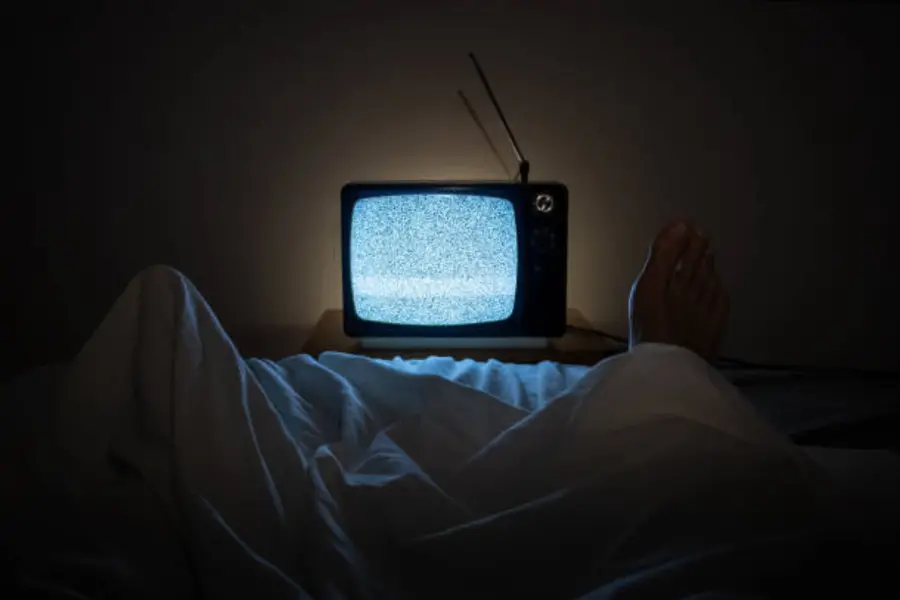
For years, we've been told this is a terrible habit. Blue light from phones, laptops and TVs has been blamed for suppressing melatonin, disrupting circadian rhythms and increasing the risk of everything from insomnia to depression. Search "screens before bed" and you'll find countless warnings urging you to switch off an hour before sleeping.
Yet most people don't.
Surveys have consistently shown that the overwhelming majority of adults use screens before bed, and many even sleep with their phones beside them. If screen use is universally disastrous, why do so many people still manage to sleep perfectly well?
A growing body of research suggests the answer may be more nuanced than previously believed.
One of the most talked-about studies, published in the Journal of Sleep Research in 2022 by researchers from Michigan State University, examined how adults used entertainment media in the hour before bedtime.
Participants who intentionally watched television, listened to podcasts or consumed other forms of entertainment before sleeping actually tended to go to bed earlier and sleep longer. However, those benefits disappeared when screen use stretched beyond an hour or involved endless multitasking between multiple devices.
The findings challenge the long-standing assumption that all bedtime screen use is equally harmful. Instead, researchers argue that intentional entertainment can function as a relaxation tool.
Clinical psychologist Dr. Janet Kennedy, widely known as NYC Sleep Doctor, remains cautious about bedtime screen habits. She compares using screens immediately before sleep to taking a shower after an intense workout, the brain, like the body, needs time to gradually wind down.
Social media, in particular, can trigger anxiety, comparison and emotional arousal, making it harder to fall asleep. However, she also stresses that sleep should not be judged by a single restless night. Good sleep is better measured over weeks and months, with healthy sleepers naturally recovering after occasional poor nights.
Dr. Morgan Ellithorpe, one of the authors of the Michigan State study, believes the real issue isn't the screen itself but how it's used. Endless scrolling on platforms such as TikTok or Instagram offers no natural stopping point, making it easy to delay bedtime.
In contrast, deliberately watching a single episode of a favourite show or listening to a podcast can help people decompress after stressful days. The important factor, she explains, is using media with intention and recognising when the need for relaxation has been met.
Researchers also argue that guilt may be making matters worse
Dr. Allison Eden's research on what she calls the "Guilty Couch Potato" effect suggests that people often fail to experience the relaxing benefits of entertainment because they have been conditioned to believe screen time is inherently bad.
Feeling guilty while watching television or using digital media can itself increase stress, reducing any psychological benefits the activity might otherwise provide.
Not every expert is convinced that blue light deserves all the blame
Dr. Kathryn Orzech points to research indicating that phones, tablets and laptops may not emit enough blue light to significantly suppress melatonin under normal conditions.
Instead, the bigger issue could be mental stimulation or simply staying awake longer than intended. Reading a gripping novel, she notes, can sometimes delay sleep just as easily as watching a television show.
Sleep physician Dr. Jordan Stern agrees that the quality of screen use matters more than the mere presence of a device. Watching one planned episode to reduce anxiety is very different from mindlessly scrolling through social media for hours. He also emphasises that chronic insomnia often requires professional treatment than relying solely on sleep hygiene advice.
Meanwhile, Dr. Ana Krieger of Weill Cornell's Center for Sleep Medicine believes modern lifestyles deserve as much scrutiny as digital devices. Constant connectivity, demanding work schedules and the expectation of around-the-clock productivity often force people to ignore their natural sleep rhythms. In many cases, the pressure to achieve "perfect sleep" can itself become a source of insomnia.
Taken together, the research paints a far more complicated picture than the simple message that "screens are bad."
Different people respond differently to bedtime routines. Some unwind best with a printed book. Others find comfort in a familiar sitcom, calming ASMR videos or a favourite podcast.
What appears to matter most is whether the activity reduces stress without delaying sleep.
The latest evidence suggests that bedtime screen use should not be viewed as inherently harmful. Instead, its effects depend on factors such as the type of content being consumed, the amount of time spent on devices, whether the activity encourages relaxation or overstimulation, and the individual's overall sleep habits.
For anyone struggling with chronic sleep problems, experts still recommend seeking professional evaluation rather than relying on internet advice alone. But for those who occasionally fall asleep after watching a favourite show, science increasingly suggests there may be less reason for guilt than previously believed.
The debate over screens before bed is far from settled. What is becoming clearer, however, is that healthy sleep cannot be reduced to a single rule.
Good sleep is ultimately shaped by personal habits, individual biology, stress levels and lifestyle, making the relationship between screens and sleep far more complex than the blue-light headlines suggest.
Published: 05 Jul 2026, 03:49 pm IST
Related Topics
Disclaimer: Kindly avoid objectionable, derogatory, unlawful and lewd comments, while responding to reports. Such comments are punishable under cyber laws. Please keep away from personal attacks. The opinions expressed here are the personal opinions of readers and not that of Mathrubhumi.
