
The Dalai Lama, who turned 90 this July, remains in “very good” health, according to Central Tibetan Administration leader Penpa Tsering
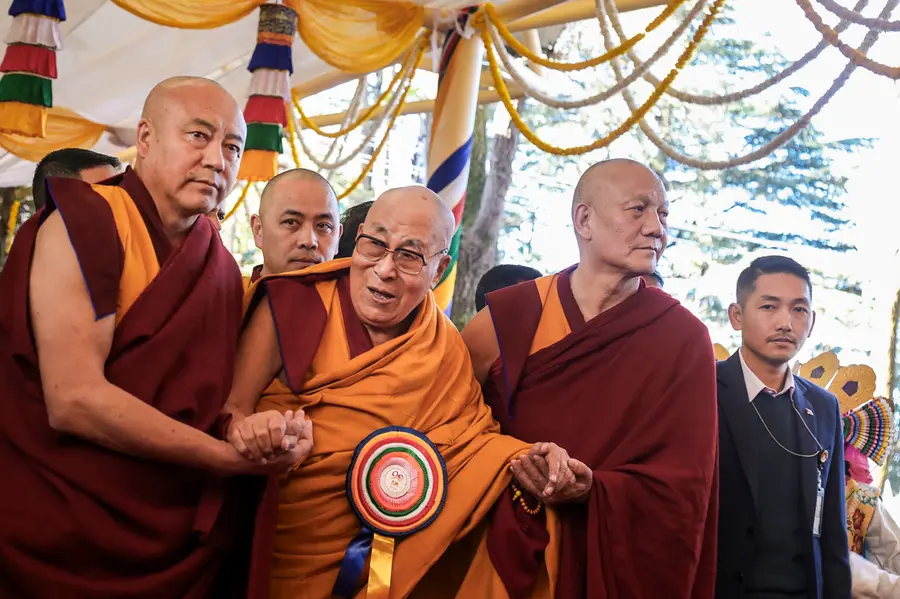
Tibetan: The Dalai Lama, who turned 90 this July, remains in “very good” health, according to Penpa Tsering, head of the Central Tibetan Administration (CTA).
Tsering said the spiritual leader’s longevity has unsettled China, which is reportedly waiting for the current Dalai Lama’s passing. The 14th Dalai Lama has hinted he may live for decades more, even suggesting the possibility of reaching 130 years.
Also Read

While the Dalai Lama has confirmed there will be a successor, it is not yet clear whether this will occur through traditional reincarnation or the concept of emanation, where a successor is named during the current leader’s lifetime. Tsering noted that this uncertainty adds to China’s unease and challenges its attempts to predict developments within the Tibetan leadership.
Tsering emphasised that his visit to Lucknow is part of broader efforts to raise awareness about the Tibetan cause and counter what he described as China’s distortion of history and ongoing cultural suppression in Tibet. He said Tibetans face “cultural genocide” as China’s policies undermine language, religion, and identity. He highlighted measures such as boarding schools where children are primarily taught Mandarin and loyalty to the Communist Party, with Tibetan language and literature receiving minimal attention.
The CTA leader also underscored Tibet’s deep historical and cultural ties with India, including the origin of the Tibetan script from the Devnagari script during the Gupta period and the roots of Tibetan Buddhism in Indian traditions. He stressed that the erosion of language in Tibet threatens not only religion but the entire way of life of the Tibetan people.
Tsering highlighted the non-violent approach of the Tibetan movement, rooted in principles such as karuna (compassion) and ahimsa (non-violence), while expressing frustration over China’s lack of constructive response. His Lucknow itinerary includes university visits and meetings with key leaders, aimed at educating the public and increasing understanding of the Tibetan struggle, which he says remains poorly known even within India.
(With PTI inputs)
Published: 23 Nov 2025, 09:30 pm IST
Related Topics
Disclaimer: Kindly avoid objectionable, derogatory, unlawful and lewd comments, while responding to reports. Such comments are punishable under cyber laws. Please keep away from personal attacks. The opinions expressed here are the personal opinions of readers and not that of Mathrubhumi.