
Cuba’s electricity grid collapsed on Saturday, plunging the entire island into darkness for the third time in March.
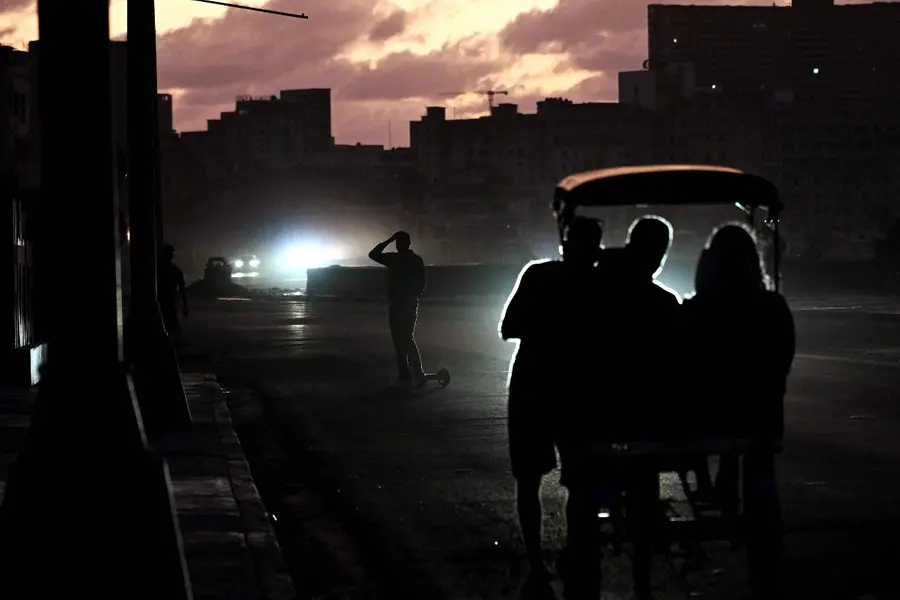
Cuba’s electricity grid collapsed on Saturday, plunging the entire island into darkness for the third time in March. The state-owned Cuban Electric Union reported a total blackout without giving a cause, while authorities said they were working urgently to restore power.
The outage has affected more than 10 million residents, leaving households and businesses in total darkness. Daily life has been severely disrupted: work hours have been reduced, schools are closed, hospitals have cancelled tens of thousands of surgeries, and food is spoiling in powerless refrigerators. Water supply has been interrupted in many areas, forcing residents to rely on water trucks. For ordinary Cubans, the blackout is not just an inconvenience; it has become a desperate daily struggle.
President Miguel Díaz-Canel confirmed that the island has not received oil from foreign suppliers for three months, while domestic production covers barely 40% of the fuel needed to power the economy. “Without enough fuel from outside sources, the country was already facing a massive power deficit before the total shutdown occurred,” experts note, highlighting how the shortage has pushed an already fragile system to collapse.
A crumbling system decades in the making
The roots of the blackout lie in a power system literally falling apart. Most of Cuba’s power stations are more than 40 years old, operating far beyond their intended lifespan. Engineers are described as “miracle workers” for keeping the lights on at all, given the government’s lack of hard currency to purchase spare parts or modernise the plants.
To keep the system running, Cuba has been forced to burn its own heavy crude oil. This domestic fuel is thick and high in sulphur, which accelerates wear and tear on the ageing machinery, causing constant breakdowns. Fuel shortages have led to routine blackouts lasting up to 12 hours daily, further destabilising the grid and making nationwide collapses increasingly likely.
The recent blackout was the second nationwide outage in the past week, and the third in March. The last occurred on Monday, demonstrating a troubling frequency in system failures. These breakdowns have far-reaching effects on ordinary life: not only is electricity lost, but cooking, refrigeration, and water supply are all interrupted, leaving residents vulnerable and frustrated.
Political pressures deepen the crisis
Cuba’s energy problems are inseparable from its political history. Following the 1959 revolution led by Fidel Castro, the United States imposed a strict economic embargo, which has persisted for decades. The country survived the 1990s “Special Period” after the collapse of the Soviet Union, but its modern lifeline—cheap oil from Venezuela—has been cut off. The removal of Venezuela’s leadership in early 2026 halted vital shipments without warning.
The U.S. has intensified pressure on Cuba, introducing a “maximum pressure” strategy. President Donald Trump warned of tariffs on any country supplying oil to Cuba, demanding that the island release political prisoners and move toward political and economic liberalisation. Trump has even suggested the possibility of a “friendly takeover of Cuba” if the current regime does not comply.
The human cost of these policies is severe. Residents are facing prolonged hardships, from spoiled food and interrupted water supply to closed schools and overburdened hospitals. Some Cubans express despair at the situation, believing emigration may be their only option.
Meanwhile, negotiations are reportedly underway behind the scenes. A potential deal could allow Cuba to purchase oil through private companies in exchange for releasing 51 political prisoners. Additionally, the government is starting to permit Cubans living abroad to invest in or partner with domestic businesses to help modernise the failing infrastructure. While Havana maintains its political system, the island is at a breaking point, and the coming months may determine Cuba’s trajectory for years to come.
Published: 22 Mar 2026, 08:06 am IST
Related Topics
Disclaimer: Kindly avoid objectionable, derogatory, unlawful and lewd comments, while responding to reports. Such comments are punishable under cyber laws. Please keep away from personal attacks. The opinions expressed here are the personal opinions of readers and not that of Mathrubhumi.
