
CPI(M) held statewide candlelight protests accusing the UDF government of creating an ‘artificial’ power crisis, while E P Jayarajan questioned whether "praying for rain" could replace effective governance.
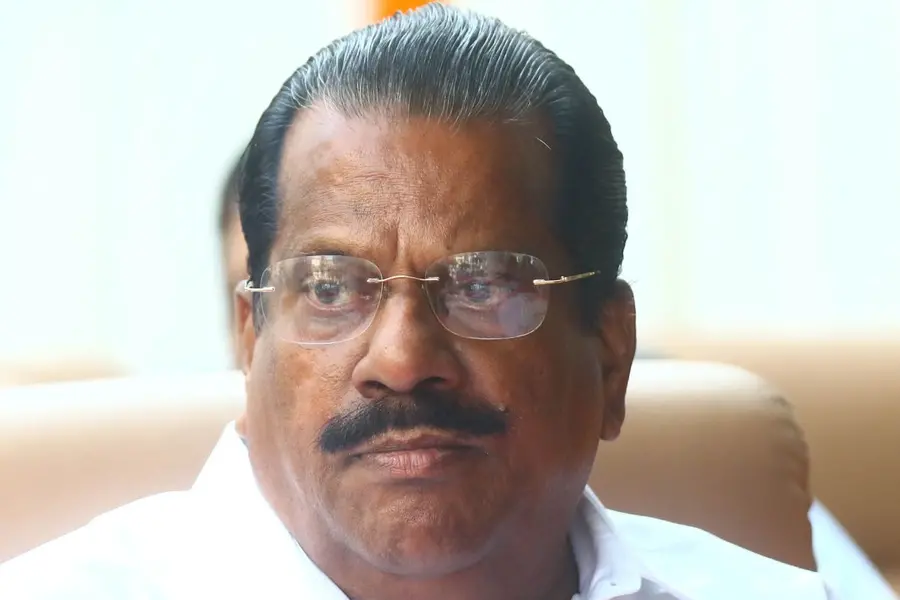
Can prayers replace power planning? That question became the centre of Kerala's escalating political battle over electricity shortages on Sunday, as the CPM launched statewide candlelight protests and accused the UDF government of pushing the state into a preventable power crisis.
At 7 pm, party workers and supporters lit candles outside CPM offices and homes across Kerala, turning the symbolic protest into a sharp attack on the government's handling of the state's electricity situation.
Demonstrators raised slogans against the UDF government and Electricity Minister Sunny Joseph, alleging that prolonged power cuts and load shedding have disrupted daily life.
The state has been grappling with electricity shortages after weak monsoon rains led to low water levels in reservoirs, reducing hydropower generation. The UDF government has maintained that the roots of the crisis lie in decisions taken by the previous LDF administration.
It has alleged that the earlier government scrapped a long-term power purchase agreement negotiated during the Oommen Chandy government that could have ensured access to cheaper electricity.
The government has also claimed that the previous administration borrowed electricity from other states during April and May under an arrangement requiring Kerala to return power between June and September, worsening the current supply crunch.
However, senior CPM leader EP Jayarajan rejected those allegations, accusing the government of manufacturing an ‘artificial’ crisis through poor planning and mismanagement.
‘Kerala is reeling under power cuts and load shedding. Children are unable to study. If the Centre is sabotaging the NEET examination, the Kerala government is denying children the opportunity to study by creating a power shortage,’ he alleged.
Jayarajan also claimed that hospitals, industries and commercial establishments were paying the price for repeated outages, saying surgeries and other essential services were being affected while businesses struggled to function normally.
Defending the previous LDF government, he said Kerala remained free from power cuts during its 10-year tenure despite depending heavily on hydroelectric generation.
According to him, the earlier government regularly assessed demand and procured electricity with the approval of the Electricity Regulatory Commission whenever required.
Responding to the government's charge that the LDF had cancelled a long-term power purchase agreement signed during the tenure of former Electricity Minister Aryadan Mohammed, Jayarajan said the agreement had never been scrapped by the previous government.
‘The agreement was never cancelled by the LDF government. It continued in Kerala's interest. It was the Electricity Regulatory Commission that sought its cancellation, and the matter is now pending before the Supreme Court,’ he said.
Taking a swipe at Joseph's recent appeal asking people to pray for rain, Jayarajan questioned whether faith alone could address the state's electricity challenges.
‘Is praying for rain enough to solve Kerala's power crisis? Electricity is a basic necessity, and it is the government's responsibility to ensure an uninterrupted supply,’ he said.
He further alleged that the electricity shortage was being used as a justification for another tariff hike, claiming the government had ‘driven Kerala into darkness’ as part of a planned move to increase power charges.
Calling the candlelight demonstrations a reflection of growing public anger, Jayarajan said the protests showed that people across Kerala were increasingly dissatisfied with the government's handling of the power sector.
Published: 27 Jul 2026, 09:39 am IST
Related Topics
Disclaimer: Kindly avoid objectionable, derogatory, unlawful and lewd comments, while responding to reports. Such comments are punishable under cyber laws. Please keep away from personal attacks. The opinions expressed here are the personal opinions of readers and not that of Mathrubhumi.
