
Ghalibaf denied any negotiations with the United States, accusing US President Donald Trump of seeking “to manipulate the financial and oil markets”.
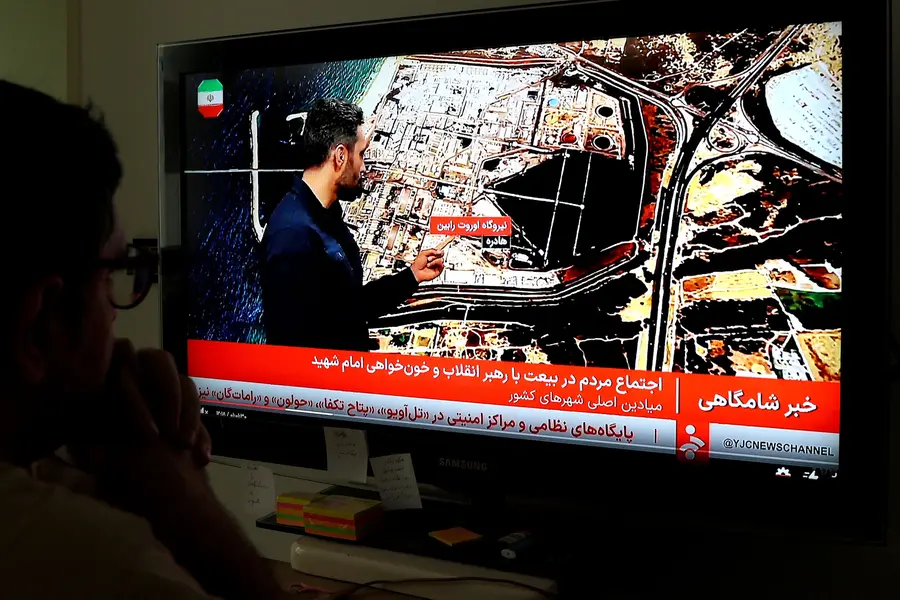
Tehran/Washington: Iran is closely tracking United States military activity in the region, particularly troop deployments, as tensions continue to rise amid the ongoing conflict involving Israel.
“We are closely monitoring all US movements in the region, especially troop deployments. What the generals have broke, the soldiers can't fix; instead, they will fall victim to Netanyahu's delusions. Do not test our resolve to defend our land,” Iran's parliament speaker, Mohammad Bagher Ghalibaf, wrote on X.
Ghalibaf’s remarks come at a time of heightened military mobilisation, with the US reportedly preparing to deploy at least 1,000 troops from the 82nd Airborne Division to the Middle East in the coming days, according to sources familiar with the plan.
Earlier, Ghalibaf denied any negotiations with the United States, accusing US President Donald Trump of seeking “to manipulate the financial and oil markets”.
Despite his hardline rhetoric, Ghalibaf is being seen by some in Washington as a potential leader, with Politico reporting, citing US officials, that he is viewed as a “hot option” to head Iran. The White House, however, has not backed any single figure and is instead “stress-testing” multiple candidates in search of someone willing to strike a deal, according to two officials.
The 64-year-old has also reportedly been involved in mediated talks with the Trump administration aimed at ending the US-Israeli war on Iran, US officials said. While he has repeatedly warned of retaliation against the US and its allies, some in the White House consider him a possible negotiating partner for the next phase of the conflict.
Meanwhile, diplomatic efforts appear to be underway. Iran has received a 15-point proposal from the United States to reach a ceasefire, according to two Pakistani officials. The proposal reportedly covers sanctions relief, civilian nuclear cooperation, a rollback of Iran’s nuclear programme, monitoring by the International Atomic Energy Agency, missile limits, and ensuring access to shipping through the Strait of Hormuz.
The plan was conveyed to Iran through intermediaries from Pakistan, which has offered to host renewed negotiations between Washington and Tehran, a person familiar with the matter told The Associated Press.
Even as talks are explored, the humanitarian toll continues to rise. Iran’s Health Ministry said the death toll in the country has crossed 1,500. In Israel, 16 people have been killed, while at least 13 US military personnel have died along with more than a dozen civilians in the occupied West Bank and Gulf Arab states.
Published: 25 Mar 2026, 03:44 pm IST
Related Topics
Disclaimer: Kindly avoid objectionable, derogatory, unlawful and lewd comments, while responding to reports. Such comments are punishable under cyber laws. Please keep away from personal attacks. The opinions expressed here are the personal opinions of readers and not that of Mathrubhumi.
