
Ali arrived at the Chinese space station on Wednesday aboard the Shenzhou-24 spacecraft, becoming the first foreign astronaut to enter the orbiting facility
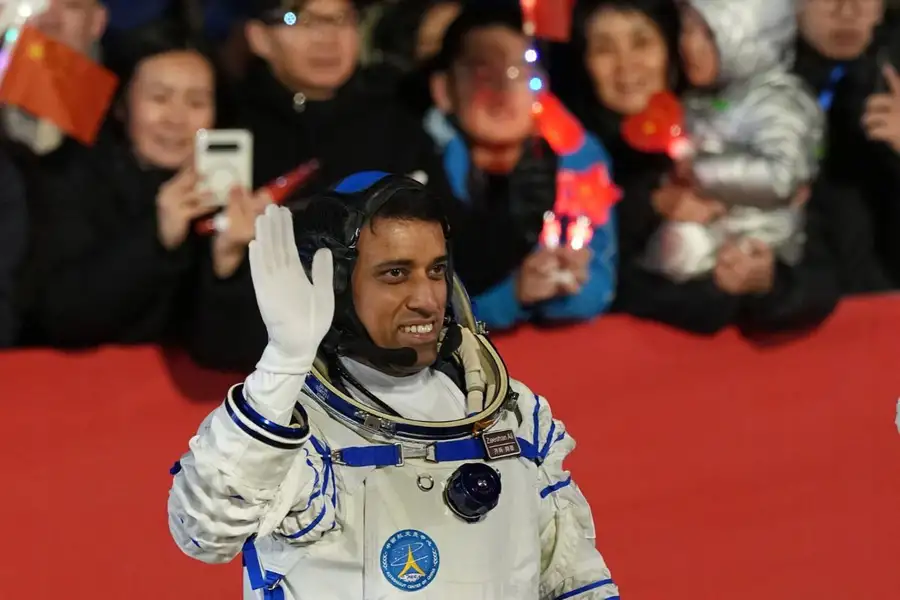
China's Tiangong space station has put together a special halal menu featuring more than 100 food varieties to welcome its first foreign astronaut, Pakistani space traveller Muhammad Zeeshan Ali.
The menu, prepared to accommodate Ali's dietary requirements, includes Pakistani favourites such as beef nihari, lamb korma, curried chickpeas and butter chicken, state-run broadcaster CGTN reported.
Also Read

Ali arrived at the Chinese space station on Wednesday aboard the Shenzhou-24 spacecraft, becoming the first foreign astronaut to enter the orbiting facility. He is part of a three-member crew that also includes Chinese commander Tang Hongbo and flight engineer Wu Yi. The spacecraft lifted off from the Jiuquan Satellite Launch Centre in north-western China.
During his introduction to his Chinese crewmates, Ali brought a touch of Pakistani literary heritage to the occasion by reciting a couplet by renowned poet Allama Muhammad Iqbal, popularly known as the Poet of the East.
"Beyond the stars are even more worlds, there are still even more tests of passion," he said, later translating the verse for the Chinese astronauts.
Describing his arrival as a dream come true, Ali said he was "incredibly excited" to become the first foreign astronaut aboard Tiangong.
"A childhood dream has finally come true," he said.
The mission is being viewed as a significant step in China's efforts to expand international participation in its crewed space programme.
Chinese Foreign Ministry spokesperson Guo Jiakun described the joint mission as a new milestone in international space cooperation, emphasising that China's space station was intended to promote peace, friendship and collaboration.
"China's space station is a space station of peace, friendship and cooperation," Guo said.
He added that Beijing would work with Pakistan and other countries to promote the peaceful use of outer space, strengthen international cooperation and ensure that the benefits of space exploration reach all of humanity.
Guo also stressed that Tiangong was not merely a home for Chinese astronauts but a platform for scientific research involving the international community. China, he said, was ready to partner with more countries in future space exploration initiatives.
Published: 26 Nov 2026, 10:38 am IST


ABOUT THE AUTHOR
Related Topics
Disclaimer: Kindly avoid objectionable, derogatory, unlawful and lewd comments, while responding to reports. Such comments are punishable under cyber laws. Please keep away from personal attacks. The opinions expressed here are the personal opinions of readers and not that of Mathrubhumi.