
New 2026 regulations in China prohibit storing cremated ashes in residential flats. Learn why soaring burial costs are driving this policy change.
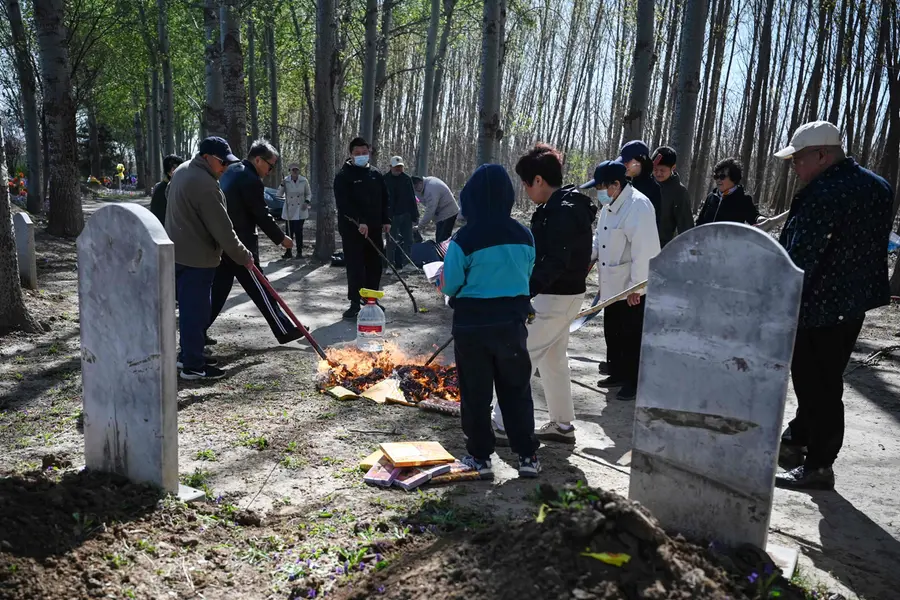
Beijing: Authorities in China have introduced a ban on keeping cremated remains in residential flats, following a growing trend driven by soaring burial expenses. The development was reported by the South China Morning Post.
Cultural traditions meet economic pressures
Funeral and burial customs continue to hold deep cultural significance in China, where ensuring a dignified resting place for the deceased is widely regarded as a familial responsibility. However, rapid urban expansion combined with an ageing population has placed considerable strain on available cemetery space, pushing costs sharply higher.
Cemetery shortage and rising prices
In Shanghai, there were slightly more than 54 commercial cemeteries by mid-2025, many of which were nearly fully occupied. Prices have climbed steeply in recent years. In 2023, a burial plot at Shanghai Songhe Cemetery was reported to cost approximately 760,000 yuan per square metre, significantly exceeding the city’s average housing price of about 55,000 yuan.
Families turn to alternative solutions
According to the South China Morning Post, the escalating cost of burial plots has led some families to explore unconventional options. One such practice involved purchasing small residential flats to store urns.
In cities including Beijing, cemetery plots typically come with usage rights lasting around 20 years. By contrast, residential properties can provide tenure of up to 70 years, along with greater flexibility and potential for resale, making them an attractive alternative for some.
Regulatory concerns and local actions
This emerging trend has raised concerns among both residents and authorities. In Tianjin, a columbarium initiative in Zhongtang Town saw several buildings repurposed into storage spaces for cremated remains, accommodating tens of thousands of urns. Officials later determined that the project breached existing regulations and ordered rectification measures.
Public complaints during festivals
Residents have also reported disturbances during traditional observances such as the Qingming Festival. Activities including ritual offerings and incense burning in residential areas have caused inconvenience to nearby occupants.
New regulations and public debate
On 30 March, updated funeral management rules came into effect, explicitly prohibiting the use of residential properties for storing human ashes.
The move has triggered widespread discussion online. Some commentators argue that the high cost of cemetery plots is the underlying issue that needs addressing, while others support the stricter enforcement measures to preserve the intended use of living spaces.
Published: 05 Apr 2026, 06:54 pm IST
Disclaimer: Kindly avoid objectionable, derogatory, unlawful and lewd comments, while responding to reports. Such comments are punishable under cyber laws. Please keep away from personal attacks. The opinions expressed here are the personal opinions of readers and not that of Mathrubhumi.
