
Boeing ordered to pay $35.8M to UN worker`s family over 2019 Ethiopian Airlines 737 MAX crash. Get details on this landmark aviation verdict & learn more.
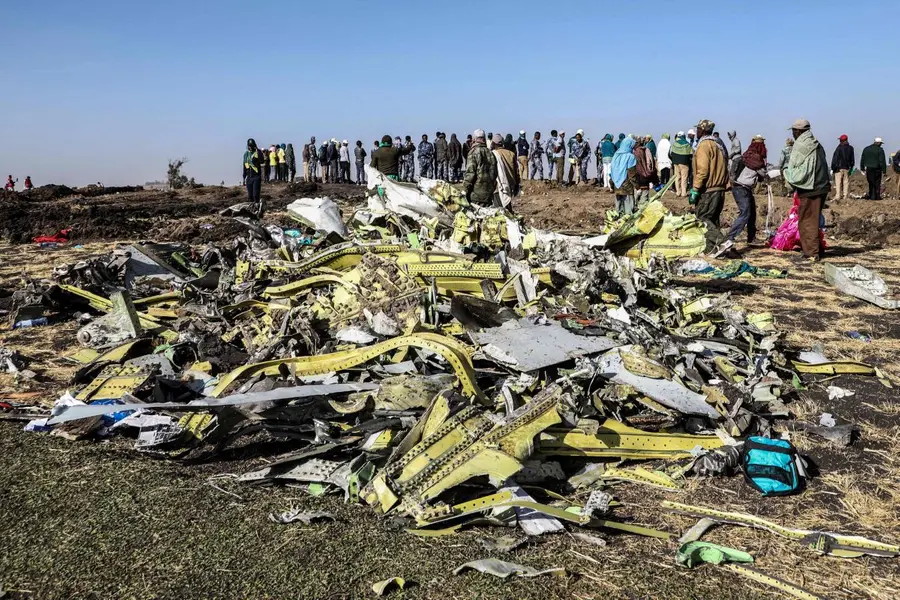
A US federal court jury in Chicago has ordered Boeing to pay more than $28 million in damages to the family of Shikha Garg, a United Nations environmental worker who died in the 2019 Ethiopian Airlines 737 MAX crash.
This is the first verdict among the many lawsuits filed after two deadly Boeing 737 MAX crashes, one in Ethiopia in 2019 and another in Indonesia in 2018, which together claimed 346 lives.
Under an agreement reached between both parties, Garg’s family will receive a total of $35.85 million, which includes 26% interest on the awarded amount. Boeing has agreed not to appeal the verdict, according to the family’s lawyers.
In a joint statement, attorneys Shanin Specter and Elizabeth Crawford, who represented Garg’s family, said the verdict “provides public accountability for Boeing’s wrongful conduct.”
Shikha Garg was 32 years old and was travelling from Addis Ababa (Ethiopia) to Nairobi (Kenya) on Ethiopian Airlines Flight 302 when the aircraft crashed shortly after take-off in March 2019. The lawsuit alleged that the Boeing 737 MAX was defectively designed and that the company failed to warn passengers and the public about its known safety issues.
The Ethiopian Airlines tragedy came just five months after the Lion Air Flight 610 crash in Indonesia, which also involved a Boeing 737 MAX. Investigations later revealed that a faulty automated flight control system, known as MCAS (Manoeuvring Characteristics Augmentation System), was a key factor in both accidents.
Boeing has already settled more than 90% of the civil cases related to the two crashes, paying out billions of dollars in compensation through settlements, a deferred prosecution agreement, and other payments.
Earlier this month, on November 5, Boeing also reached settlements in three more lawsuits filed by families of other victims of the Ethiopian Airlines crash. The details of those settlements were not made public.
The verdict in Garg’s case is seen as a landmark moment for victims’ families seeking justice and accountability in one of aviation’s most tragic chapters.
Published: 14 Nov 2025, 07:33 am IST
Related Topics
Disclaimer: Kindly avoid objectionable, derogatory, unlawful and lewd comments, while responding to reports. Such comments are punishable under cyber laws. Please keep away from personal attacks. The opinions expressed here are the personal opinions of readers and not that of Mathrubhumi.
